As cities grapple with heavier storms and urban sprawl, the traditional surfaces supporting our communities prove increasingly inadequate against flooding and water management challenges. Enter permeable pavers—an innovative, eco-friendly solution that mimics natural absorption, dramatically reducing runoff, filtering pollutants, and supporting groundwater recharge. But can these porous surfaces truly transform urban resilience, blending aesthetic appeal with practicality? From their historical evolution to modern applications, permeable pavers are revolutionizing city landscapes by offering smarter, sustainable infrastructure tailored to diverse environments. Their ability to prevent water pooling, protect properties, and enhance ecological health makes them vital in climate-adaptive urban planning. Yet, questions about long-term maintenance and widespread adoption remain. As technology advances and policies shift, will permeable paving become the standard for resilient, green cities of the future? The promise is clear—creating safer, more vibrant communities that coexist harmoniously with nature, but the journey toward universal adoption is just beginning.
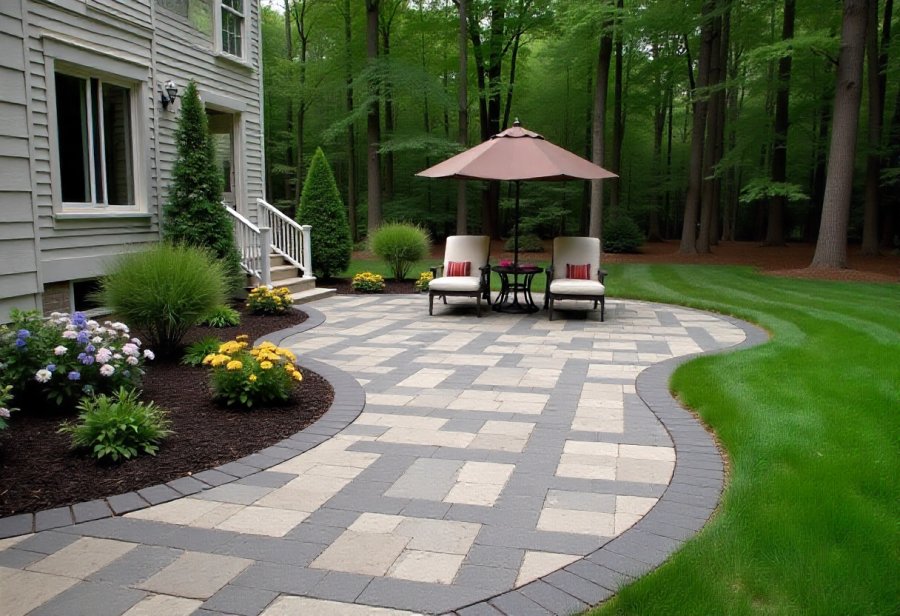
Mitigating Urban Flooding: The Power of Permeable Pavers
Urban areas are feeling the heat from heavier storms and more frequent rainfall, revealing the limitations of traditional surfaces like concrete and asphalt. These materials are designed to support traffic and foot traffic, but they do little to handle large volumes of water. Instead of absorbing rain, they push water away, leading to street flooding, overwhelmed storm drains, and even water entering properties. This runoff creates hazards and puts extra pressure on aging drainage systems not built for today’s intense storms.
Permeable pavers offer a practical, eco-friendly alternative. They mimic natural water absorption by allowing rain to seep directly into the ground beneath. This process reduces the volume of water flowing across surfaces, helping to prevent street flooding and water pooling during storms. Managing water at its source not only minimizes damage to homes and businesses but also keeps streets safer and more navigable after heavy rains.
Beyond flood control, permeable pavers support groundwater recharge. As rain filters through the porous surfaces, it naturally cleanses pollutants such as oils and sediments before reaching rivers and lakes. This filtration improves water quality and helps replenish underground water sources, which are often depleted in densely developed urban areas. These benefits make permeable paving a key tool in maintaining healthier ecosystems and more sustainable water cycles.
Cities are increasingly turning to permeable paving as part of broader efforts to create resilient, sustainable environments. Installing these surfaces in parking lots, sidewalks, and public spaces reduces runoff and eases pressure on stormwater infrastructure. As urban sprawl expands and climate change brings unpredictable weather, permeable pavers provide a flexible solution that enhances both urban aesthetics and ecological health.
However, adopting permeable paving isn’t without challenges. Proper installation and regular maintenance are essential to prevent clogging from debris and ensure long-term performance. Despite higher initial costs, the benefits—such as reduced flooding, better water quality, and improved community resilience—outweigh the upfront investment when systems are correctly managed.
In a world facing rising climate risks, permeable pavers represent a smart, sustainable approach to urban water management. They help cities adapt to heavier storms, protect communities from water damage, and support healthier, more vibrant neighborhoods. As technology advances and awareness grows, these systems will become even more vital for building water-smart, future-ready urban landscapes.
Tracing the Evolution: The History of Permeable Paving
The story of permeable pavers begins with decades of innovation driven by engineers, city planners, and environmental advocates aiming to find sustainable solutions for stormwater management. In the 1970s and 1980s, early attempts focused on simple porous materials like gravel and open-cell concrete blocks. These basic systems demonstrated that allowing water to pass through could significantly reduce runoff and help prevent urban flooding, laying the groundwork for more advanced developments.
As awareness of environmental issues grew, so did interest in integrating permeable surfaces into city infrastructure. Advances in material science and a better understanding of soil permeability led to the creation of more durable, visually appealing permeable pavers. These innovations weren’t solely functional—they also aimed to blend seamlessly into urban landscapes, making permeable paving a practical choice for public spaces, commercial projects, and eco-conscious developments.
Those seeking additional insight may want to read Quincy Garcia‘s article Act Quickly to Use Permeable Pavers and Save Your Property! on Better Bricks Masonry.
The 1990s marked a turning point, as cities and developers increasingly adopted permeable pavers, often motivated by new regulations and flood mitigation policies. Successful projects showcased their effectiveness in reducing runoff, supporting groundwater recharge, and improving water quality. These real-world examples helped shift perceptions, proving that sustainable infrastructure could be both practical and aesthetically pleasing. During this period, standard testing and certification protocols emerged, establishing benchmarks for permeability and durability that boosted confidence among stakeholders.
Throughout this evolution, the focus has been on balancing environmental benefits with structural resilience. Material breakthroughs introduced high-performance porous concrete and interlocking designs capable of withstanding heavy traffic and harsh weather. These improvements expanded permeable paving’s suitability across diverse urban environments, from busy parking lots to pedestrian streets, reflecting a broader commitment to durable, eco-friendly infrastructure.
The development of permeable pavers exemplifies how persistent innovation can transform cityscapes. Today, they are recognized as a vital component of sustainable urban planning, built on decades of research, testing, and successful application. As cities face climate challenges and urban sprawl, ongoing advancements promise even smarter, more efficient systems that further integrate permeability with resilience, helping communities adapt and thrive.
This history highlights a continuous journey toward greener, more sustainable cities. Each step—driven by curiosity, necessity, and technological progress—has brought permeable paving closer to becoming a standard feature in urban landscapes worldwide. The evolution underscores the importance of innovation and adaptation in creating infrastructure that works with nature, not against it.
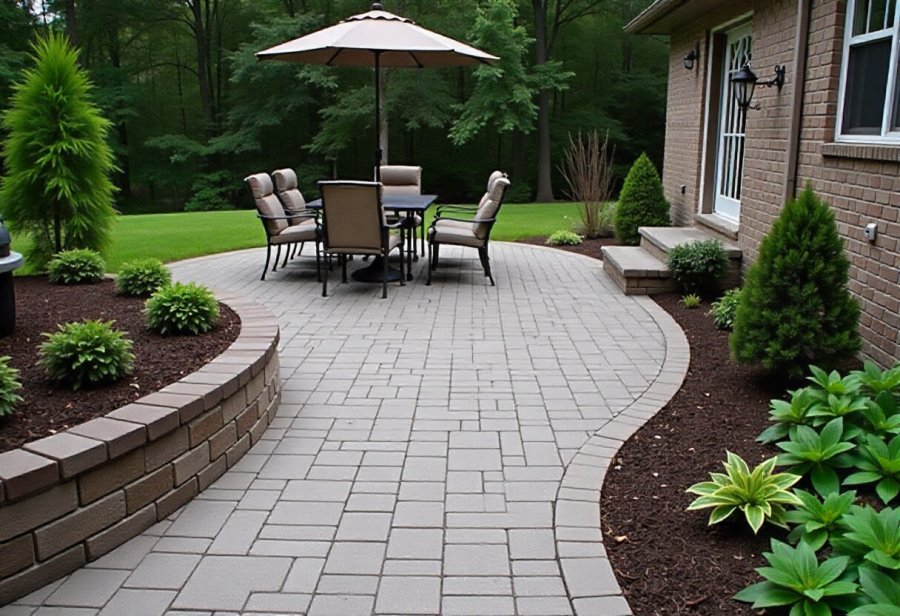
Modern Urban Planning Embraces Permeable Pavers for Sustainable Growth
Permeable paving has become a key component of contemporary urban planning because it offers a practical, visually appealing way to improve water management. Cities worldwide are now integrating permeable pavers into various developments, including parking lots, sidewalks, plazas, and street medians. These surfaces do more than serve functional needs; they enhance the aesthetic and ecological quality of public spaces, creating environments that are both inviting and sustainable.
Modern urban policies and building codes increasingly promote or require the use of permeable paving in new construction projects. This shift reflects a broader understanding that sustainable infrastructure should be embedded into city growth from the start. As a result, permeable pavers are moving from niche options to standard features, transforming urban landscapes into greener, more resilient spaces. Their ability to reduce runoff and support groundwater recharge makes them especially valuable in flood-prone or drainage-limited zones, where traditional materials often exacerbate water issues.
One of the reasons permeable paving fits so well into current urban planning is its versatility. It can be incorporated into new developments or used as a retrofit in existing areas to address water pooling and flooding. Streets, sidewalks, and medians upgraded with permeable systems help cities manage storms more effectively without sacrificing design or functionality. This adaptability allows planners to tailor solutions to local conditions, whether in dry, coastal, or highly urbanized environments.
Readers may find additional analysis on Over Strng from Zel Shaw in Transforming Urban Flood Control with Innovative Permeable Paving Solutions.
Designers now customize permeable paving options to suit regional climates and cultural preferences. In arid zones, the focus is on maximizing infiltration to support groundwater, while coastal areas prioritize durability against salt and storms. Aesthetic variations, from natural stones to colorful patterns, help these systems blend seamlessly into diverse urban contexts, boosting their acceptance and appeal. These adaptations demonstrate how permeable paving can be flexible enough to meet a wide range of environmental and aesthetic needs.
Despite some concerns about higher costs and maintenance, proper installation and routine upkeep are essential to ensure these systems perform well over time. When correctly implemented, the long-term benefits—such as flood mitigation, improved water quality, and enhanced urban resilience—far outweigh the initial investment. This highlights the importance of adhering to standards and best practices to maximize system longevity and effectiveness.
Today, industry standards and policies support the broader adoption of permeable paving. Organizations like ASTM have established benchmarks for permeability and durability, providing confidence for developers and municipalities alike. As cities continue to grow and face climate challenges, permeable pavers are set to become a foundational element of smart, sustainable urban infrastructure—helping communities adapt and thrive in an increasingly unpredictable environment.
Transforming Cities: Practical Benefits of Permeable Paving Systems
Permeable pavers do more than just manage stormwater; they deliver tangible benefits that enhance urban life on multiple levels. Their ability to allow rainwater to pass through and infiltrate the soil beneath significantly reduces urban flooding. During heavy storms, instead of overwhelming streets and drainage systems, water is absorbed naturally, decreasing the risk of pooling and water damage to properties. This not only helps protect homes and businesses but also keeps streets safer and more navigable after storms.
Beyond flood control, permeable pavers act as natural water filters. As rainwater seeps through these porous surfaces, pollutants such as oils, sediments, and chemicals are captured and broken down. This process improves water quality before it reaches waterways or underground aquifers, supporting healthier ecosystems and cleaner water sources. In urban areas where groundwater depletion is common, this filtration and recharge process plays a crucial role in maintaining a balanced water cycle.
Communities also benefit aesthetically and socially when permeable pavers are integrated into cityscapes. These surfaces create inviting public spaces, from sidewalks and plazas to parking lots and medians, blending functionality with visual appeal. Unlike traditional concrete or asphalt, permeable paving adds a natural touch, encouraging outdoor activities and fostering neighborhood vibrancy. This not only enhances the look of urban areas but also promotes community engagement and environmental consciousness.
In terms of resilience, permeable paving systems help cities adapt to the increasing frequency of severe storms linked to climate change. They provide a reliable way to handle intense rainfall without flooding or infrastructure failure, reducing emergency response costs and safeguarding neighborhoods. Their durability and flexibility make them a smart investment for building safer, more adaptable urban environments that can withstand extreme weather events.
Implementing permeable paving aligns with broader sustainability goals. By promoting natural infiltration, these systems reduce reliance on outdated, overburdened stormwater infrastructure. This approach not only saves municipalities money over the long term but also supports ecological stewardship, turning urban development into a more harmonious coexistence with nature. Proper installation and maintenance are essential to maximize these benefits, ensuring systems perform effectively for years to come.
This concept is further developed in Pres Foster‘s article Transforming Urban Flood Prevention with Innovative Permeable Pavers published on GTA Crier.
Real-world examples showcase the transformative potential of permeable pavers. In Portland, Oregon, a retrofit with permeable surfaces drastically cut surface runoff during storms and improved groundwater levels. Similarly, in Melbourne, permeable solutions created flood-resistant zones that enhanced safety and urban aesthetics. These success stories demonstrate that permeable pavers are practical, eco-friendly solutions that deliver concrete benefits—reducing water risks while creating more vibrant, resilient communities.
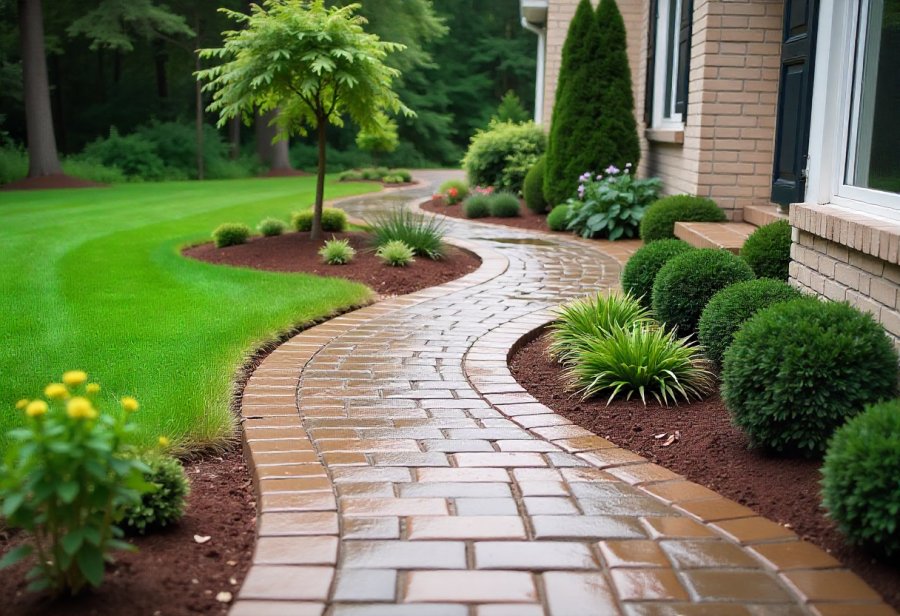
Shaping the Future: Innovations and Opportunities in Permeable Paving Technology
As urban areas face increasing challenges from more intense storms and unpredictable weather patterns, permeable pavers are becoming an essential element of sustainable infrastructure. Their proven ability to reduce flooding, support groundwater recharge, and filter pollutants positions them as a cornerstone of resilient city planning. Looking ahead, ongoing innovations in materials and system design promise to make these solutions even more effective and affordable. Advances such as eco-friendly recycled materials and embedded sensors to monitor water flow could turn permeable pavers into smarter, more responsive systems, helping cities adapt swiftly to changing conditions.
The future of permeable paving involves more than just incremental improvements. As awareness grows and policies favor green infrastructure, adoption is expected to accelerate. Cities will increasingly incorporate these systems into new developments and retrofit existing areas, transforming neighborhoods into greener, flood-resistant spaces. This shift isn’t just about managing water; it’s about creating healthier urban environments that are better equipped to handle climate stresses while enhancing aesthetic appeal and community well-being.
Innovations in materials and system integration will unlock new possibilities for permeable paving. Combining permeable surfaces with green roofs, urban parks, and roadway corridors can create multifunctional environments that serve ecological, recreational, and water management purposes simultaneously. These integrated systems will turn urban landscapes into interconnected, water-smart networks that support biodiversity, improve air quality, and foster social interaction. As designers experiment with these applications, permeable pavers will become more versatile, blending sustainability with urban vibrancy.
Despite promising advancements, some hurdles remain. Ensuring long-term durability, reducing maintenance needs, and preventing clogging are ongoing concerns. Researchers are exploring more clog-resistant materials and smarter systems equipped with embedded sensors to monitor performance in real time. Establishing clear standards and best practices will be crucial for consistent results across different environments, making permeable pavers more reliable and accessible for widespread use.
As cities continue to grow and climate risks escalate, permeable pavers symbolize a broader shift toward smarter, greener urban planning. Their development and adoption will be vital in creating communities that are not only resilient to water-related disasters but also more environmentally integrated. The ongoing evolution of this technology promises to transform urban spaces into adaptable, water-smart environments—making our cities safer, healthier, and more sustainable for generations to come.