In a world increasingly dominated by screens and digital distractions, the simple act of gardening together emerges as a powerful remedy for fostering genuine human connection and healing. This heartfelt exploration reveals how sharing outdoor labor—planting, watering, and nurturing—can forge deeper bonds, promote patience, and reduce stress. But can tending to soil truly bridge emotional gaps and rekindle intimacy in our modern lives? History and science affirm that communal gardening not only revitalizes communities but also acts as a natural therapy, cultivating resilience and trust. As technology advances, innovative tools and virtual interactions promise to make gardening more inclusive and accessible, amplifying its potential for emotional growth. Could these green spaces and shared efforts be the antidote to digital disconnection, reminding us that nurturing life—both plant and human—might be the most urgent and healing act of all?
Reconnect Through the Soil: How Gardening Fosters Bonds in a Digital Age
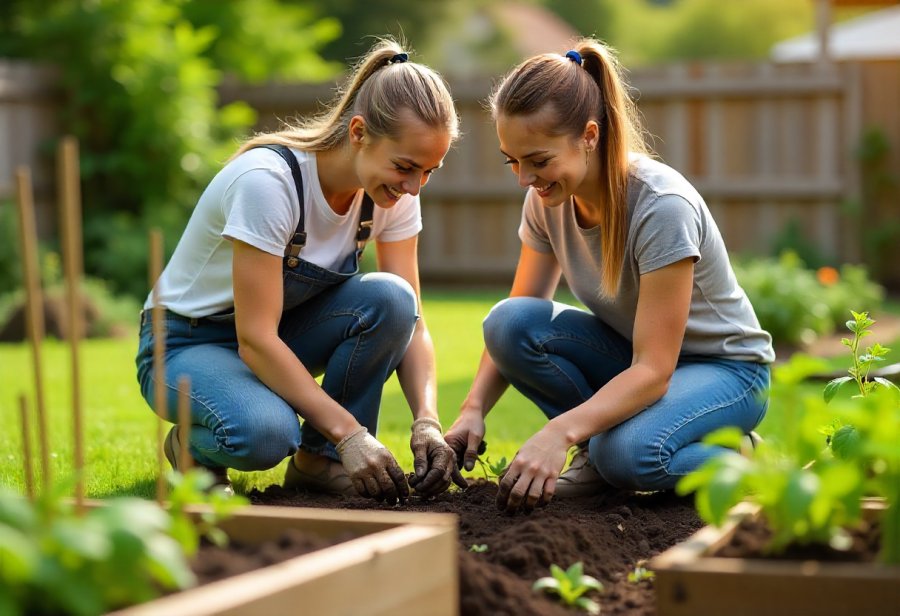
In our digital world, genuine connection often feels harder to find. We spend hours scrolling, texting, and working behind screens, which can leave us craving real, tactile interactions. Gardening together offers a refreshing escape from this virtual noise—a simple activity that fosters presence, patience, and shared purpose. When we dig into soil side by side, we shift focus from screens to nature, creating space for meaningful conversations and silent understanding alike.
Working in a garden encourages us to slow down and engage our senses. The act of planting seeds, watering rows, or tending to flowers becomes more than physical labor; it transforms into a ritual of trust and cooperation. These shared moments naturally promote open communication and mutual support, helping relationships deepen without the need for words. Over time, tending to life together nurtures emotional bonds that can withstand the stresses of everyday life.
Historically, communities have turned to gardening as a way to build social bonds and promote healing. From ancient villages to urban green spaces, communal gardens have served as gathering spots where people connect through shared effort and purpose. Scientific studies now confirm that engaging with soil and plants reduces stress hormones and boosts mood, making gardening a natural form of outdoor therapy. In this way, tending a garden isn’t just about growing plants—it’s about cultivating resilience and connection.
Today, more than ever, gardening is being embraced as a tool for emotional well-being and relationship growth. Whether in community plots, therapeutic programs, or backyard spaces, the act of working together outdoors reinforces patience, empathy, and teamwork. These qualities translate beyond the garden, helping us navigate relationships with greater understanding and trust. In a time when digital disconnect often isolates us, tending a garden side by side reminds us of our innate need for connection and the healing power of nature.
Rooted in History and Psychology: The Deep Foundations of Garden-Based Healing
The idea of using gardening as a way to build relationships and promote healing isn’t new; it runs deep in history. For centuries, communities created shared gardens not only to grow food but also to foster social bonds. These spaces became gathering spots where neighbors exchanged knowledge, supported each other, and developed a sense of belonging. Whether in small villages or bustling cities, communal gardens acted as social glue—bringing diverse groups together through a common purpose.
Psychologically, tending to soil and plants taps into something innate in humans. Our ancestors relied on nature for survival, and that connection still influences us today. When we nurture plants, our bodies release stress-reducing hormones, making gardening a natural form of therapy. The act of planting a seed or watering a flower isn’t just physical work; it’s a shared act that fosters patience, empathy, and collective achievement. These small acts of care deepen trust and create emotional bonds.
Throughout history, many cultures have recognized the healing power of gardens. In Japan, Zen gardens promote mindfulness and calm, while Western traditions have used community plots to help people reconnect after hardship. These practices show that tending land can serve as emotional support, bringing people together during difficult times. Early therapeutic horticulture formalized these ideas, observing how engaging with plants reduced anxiety and improved mood, paving the way for community-based healing efforts.
Today, modern practices continue to highlight gardening’s role in strengthening bonds. Community gardens, therapeutic programs, and urban green spaces make outdoor activity accessible and appealing. Scientific research confirms that group gardening lowers stress hormones and boosts feelings of connection. These activities promote teamwork, patience, and empathy—traits that translate into healthier, more resilient relationships. As more communities embrace these efforts, the tradition of garden-based healing remains a powerful reminder of nature’s unifying potential.
Understanding the roots of gardening’s relationship-building power reveals a universal truth: caring for plants together nurtures more than greenery—it cultivates human connection. This history and psychology underscore why shared gardening remains relevant today, especially in a digital age that often pulls us apart. Tending to the land isn’t just about growth; it’s about growing together, fostering trust, and healing emotional wounds through the simple act of nurturing life side by side.
Modern Green Spaces: Embracing Gardening for Wellness and Relationship Building Today
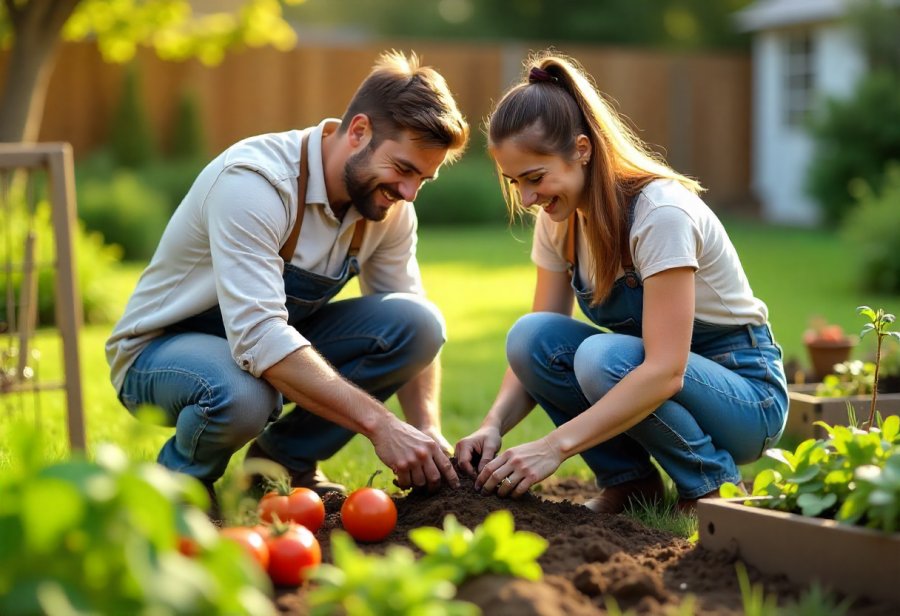
Today, gardening has become a versatile and increasingly popular way to enhance wellness and strengthen relationships. Community gardens are a common sight in neighborhoods, bringing together diverse groups to cultivate shared spaces. These gardens do more than produce fresh food; they foster social interaction, teamwork, and a sense of belonging. Many programs now focus on couples’ gardening workshops or therapeutic horticulture sessions, blending traditional gardening with mindfulness practices that promote stress relief and emotional connection. This evolution makes outdoor activity accessible and appealing to a wide range of people, regardless of age or background.
Modern approaches also reflect a shift toward integrating gardening into holistic health routines. Wellness centers and mental health clinics frequently incorporate gardening into their programs, recognizing its calming effects and capacity to build emotional resilience. Urban rooftop gardens, backyard plots, and school projects are all part of this movement. Engaging in these activities side by side encourages cooperation, patience, and empathy—traits that naturally translate into stronger bonds and improved emotional well-being. The act of tending plants together becomes a shared experience that nurtures trust and mutual support.
Gardening today takes place in everyday environments—parks, balconies, community spaces, and private yards—making it easy to weave into daily life. Routine visits to community vegetable patches or floral beds turn simple outdoor chores into social events. Families and friends gather regularly to work together, strengthening relationships through ongoing collaboration. These accessible settings help normalize outdoor activities as valuable tools for emotional health, especially in urban areas where green space might be limited. Schools and organizations further promote this trend by developing projects that teach responsibility, teamwork, and patience through gardening.
Research continues to support the benefits of group gardening, demonstrating reductions in stress hormones and improvements in mood. Structured programs in urban areas and underserved communities emphasize outdoor activity as a way to foster mental health and social cohesion. Many incorporate mindfulness techniques, creating a calming environment that encourages emotional openness and resilience. Such initiatives highlight the power of shared outdoor experiences to deepen connections and promote healing, especially in a world increasingly disconnected by digital technology.
While access remains a challenge for some, efforts are underway to make gardening more inclusive. Indoor gardening, virtual reality experiences, and culturally relevant practices help broaden participation. These innovations ensure that more people can experience the emotional and relational benefits of tending plants together. As awareness grows, the role of gardening as a tool for connection and healing will only expand, offering hope that, even amid modern chaos, nature’s simple act of growth can unify and restore us.
Cultivating Love and Trust: Practical Ways to Grow Relationships Through Gardening
Turning gardening into a meaningful way to strengthen relationships goes beyond simply working side by side. It involves establishing routines and shared rituals that nurture trust, patience, and open communication. Tasks like planting seeds or watering plants become opportunities to connect through small acts of care. For example, setting a common goal, such as growing a particular flower or vegetable together, provides a sense of purpose that encourages teamwork and shared achievement.
The act of tending to plants together builds routines that reinforce emotional bonds. Watering isn’t just about keeping the garden alive; it becomes a mindful moment for nurturing and attentiveness, deepening mutual support. Harvesting produce or flowers offers tangible rewards, allowing partners or friends to celebrate their collective progress and feel pride in their shared effort. These small acts of collaboration lay a foundation of trust that extends into everyday interactions.
Dealing with challenges, like pests or weeds, offers further chances for teamwork and communication. Tackling setbacks requires patience and resilience, teaching partners to listen, compromise, and rely on each other. Working through these obstacles transforms garden problem-solving into practical exercises in building resilience and trust, lessons that translate well beyond the plot. Overcoming difficulties together fosters a sense of shared accomplishment and emotional strength.
To deepen bonds further, reflecting on progress or assigning symbolic meaning to plants can be powerful. Planting a flower that signifies growth or resilience becomes a daily reminder of the journey taken together. These moments open space for vulnerability and insight, cultivating emotional intimacy alongside physical care. Over time, sharing reflections on their garden encourages more meaningful conversations, strengthening their connection both in and outside the garden.
Starting small makes gardening more manageable and enjoyable amid busy schedules. Dedicating just ten minutes a day or focusing on a single task, like pruning or watering, keeps the activity accessible. Clear communication about preferences and expectations ensures everyone feels involved and valued, making the experience inclusive rather than stressful. Embracing flexibility and respecting individual skill levels turn potential conflicts into opportunities for patience and understanding. When everyone feels involved and appreciated, tending to the garden becomes a powerful act of nurturing not only plants but also the emotional fabric of the relationship itself.
Future Blossoms: Innovative Trends and Possibilities for Garden Bonding and Healing
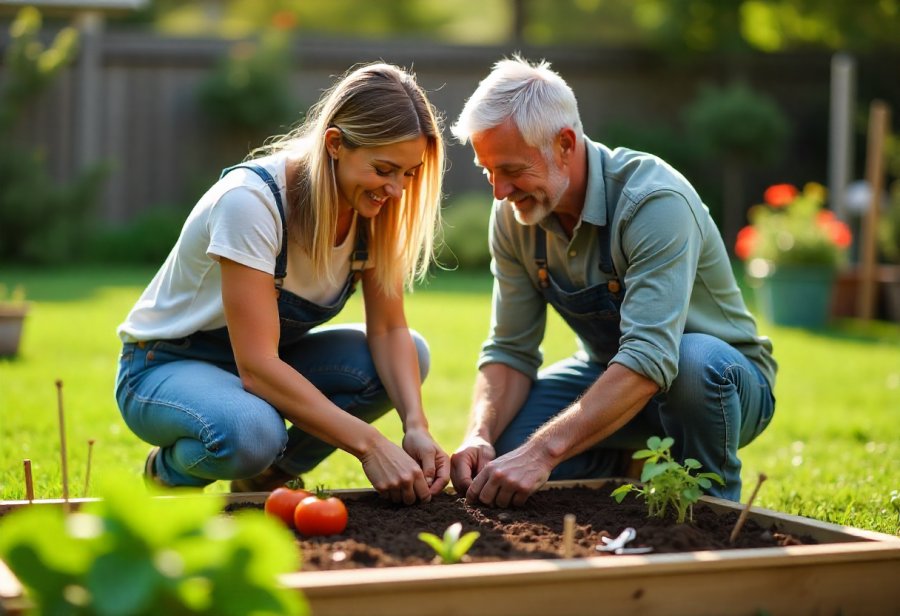
Looking ahead, the future of garden bonding promises to be more innovative and inclusive than ever before. Technology is set to play a bigger role, making gardening accessible to those with limited outdoor space or physical challenges. Virtual reality garden experiences could soon allow people to enjoy the calming effects of nature from their living rooms, while smart tools equipped with sensors and automation help simplify plant care. These advancements remove barriers, encouraging a broader audience to discover the healing and bonding potential of tending plants together.
At the same time, digital platforms will continue to connect gardening enthusiasts worldwide. Online communities, social media groups, and forums foster shared learning, inspiration, and support, reinforcing that tending plants is fundamentally a social act. These virtual networks enable people to exchange tips, stories, and experiences, strengthening bonds across distances and cultures. As a result, gardening becomes not just a personal activity but a collective movement rooted in shared love for nature and connection.
Inclusivity is increasingly shaping the future of garden bonding. Efforts are underway to make gardening accessible for everyone, regardless of living situation or physical ability. Indoor gardening kits, virtual reality experiences, and culturally tailored practices ensure that more people can participate. Initiatives that adapt to diverse backgrounds and circumstances help ensure that the emotional and relational benefits of gardening reach a wider audience, fostering community resilience and individual well-being alike.
Beyond technology and inclusivity, the integration of gardening into broader wellness programs is gaining momentum. Cities and organizations are recognizing its potential to support mental health, with rooftop gardens, community plots, and school projects becoming common features. These shared outdoor spaces promote patience, teamwork, and trust, offering tangible ways to nurture emotional resilience and deepen human bonds. As awareness of mental health’s importance continues to grow, so will the role of gardening as a practical, accessible tool for healing.
Emerging innovations like biofeedback devices and augmented reality could personalize the gardening experience further. These tools might provide real-time insights into how caring for plants impacts mood and stress levels, making the benefits more measurable and immediate. By blending tradition with cutting-edge technology, the future promises a more tangible, engaging connection to nature that emphasizes emotional well-being and relationship strengthening. As these trends unfold, gardening will remain a vital, adaptable pathway to healing and human connection in a rapidly changing world.