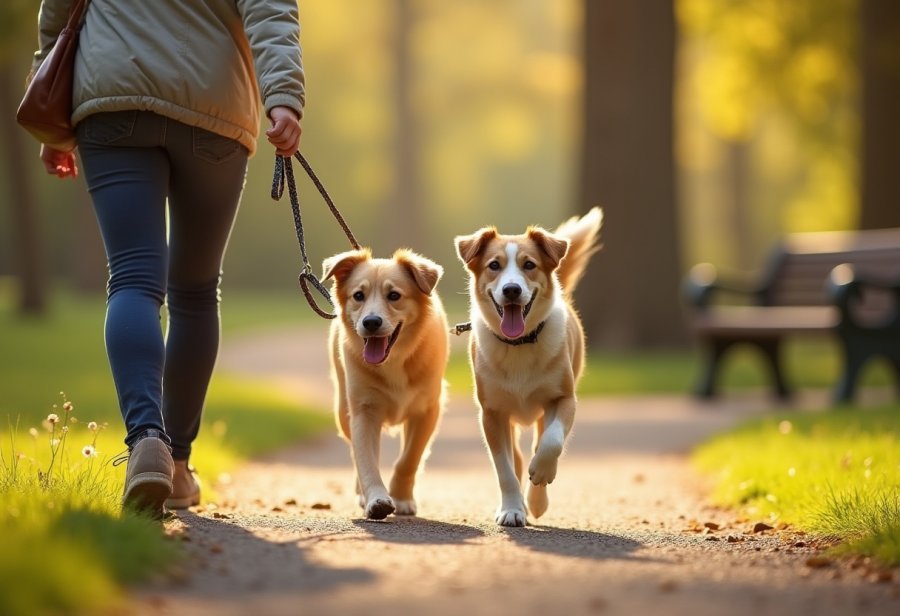
Discover how mastering calm, focused walking with your dog can transform your relationship and daily outings into moments of trust and harmony. This guide explores not just the techniques of leash training but delves into the psychological and emotional bonds that make these walks truly meaningful. Can patience, consistency, and positive reinforcement turn routine walks into shared victories? By understanding your dog’s needs and responding with gentle guidance, you’ll build confidence and reduce reactive behaviors, making every walk safer and more enjoyable. From practical training methods to managing setbacks and unexpected challenges, this approach emphasizes resilience, trust, and mutual respect. Are you ready to unlock a peaceful, mutually rewarding connection that lasts a lifetime? This journey promises not just better leash manners but a deeper bond forged through patience, understanding, and consistent effort—turning everyday walks into moments of joy, connection, and lifelong growth.
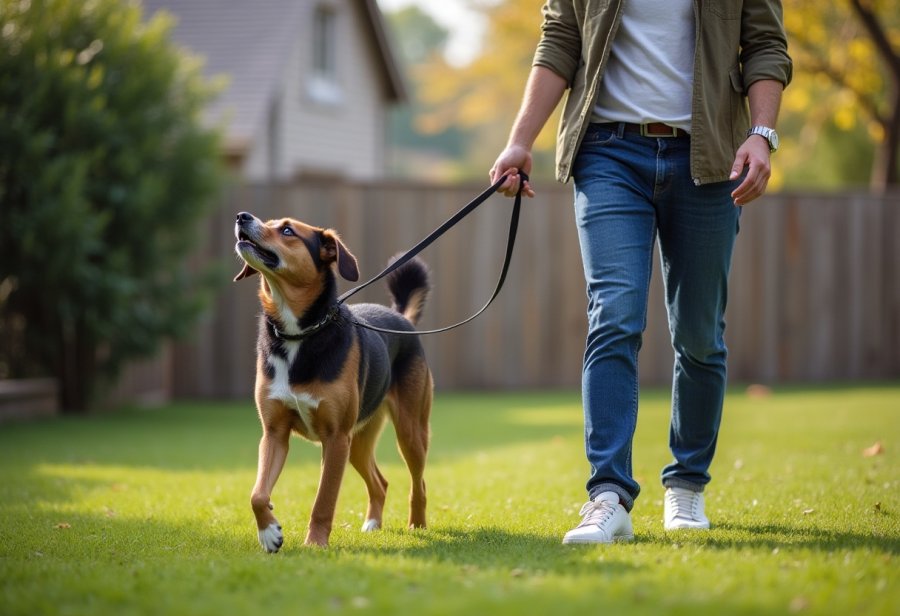
Strengthen Your Bond Through Calm Dog Walking
Mastering calm walking with your dog is about more than just teaching a skill—it’s about strengthening your bond and creating a foundation of trust. When your dog walks quietly and focused beside you, it reflects a sense of safety and mutual respect that goes beyond obedience. These peaceful walks become chances for meaningful connection, turning routine outings into shared moments of calm and understanding. As you develop this skill, you’ll notice your dog becoming more attentive and relaxed, making every walk an opportunity to bond and communicate effectively.
This calmness isn’t accidental; it’s built through consistent training, gentle guidance, and positive reinforcement. When your dog learns that staying focused and relaxed leads to praise or treats, those behaviors naturally become more ingrained. The process encourages your dog to feel secure in different environments, which reduces anxiety and reactive tendencies. Over time, these relaxed outings help your dog feel more confident and more in tune with you, transforming walks from stressful chores into enjoyable experiences.
Building calm walking into your daily routine sets the stage for all other training efforts. It makes your dog more responsive and easier to manage, which is essential for socialization and advanced commands. These peaceful walks also improve safety—your dog is less likely to pull or react unexpectedly—giving you greater control and peace of mind. For you, it means fewer frustrations and more moments of joy during your time together.
This journey requires patience, consistency, and gentle encouragement. It’s about guiding your dog toward relaxation and focus, rewarding progress, and celebrating small victories. The foundation you build today creates a lifetime of trust, making future training and social outings smoother and more enjoyable. Ultimately, mastering calm walks turns a simple daily activity into a powerful tool for building a happy, well-behaved companion.
Unlock the Principles and Psychology of Calm Walking
Walking calmly with your dog isn’t just about giving commands—it’s rooted in understanding what’s happening inside your dog’s mind. When your dog walks relaxed and attentive, it’s a sign that they feel secure and trust you. This calm state isn’t accidental; it’s cultivated through consistent training, positive reinforcement, and gentle communication. When your dog learns that staying focused and relaxed results in praise or treats, those behaviors become second nature.
The core principles behind calm walking revolve around teaching manners, focus, and mutual respect. Leash manners mean your dog understands not to pull or lunge but to walk politely beside you. Focus is essential—your dog must pay attention to your cues, which makes walks more responsive and tension-free. Rewarding good behavior with treats, praise, or play helps reinforce these lessons and creates a clear, positive association.
Modern understanding of how dogs learn has shifted away from correction-based methods. Reward-based training, like clicker training and operant conditioning, fosters trust and cooperation. When your dog associates calm walking with positive outcomes, they’re more likely to stay relaxed even in stimulating environments. Clear commands like “heel” or “let’s go,” combined with consistent cues, help your dog understand what’s expected during each walk.
Psychologically, calm walking builds a sense of safety and confidence in your dog. It reduces anxiety and reactive behaviors, paving the way for more enjoyable outings. These peaceful walks aren’t just training—they’re an opportunity to deepen your bond, showing your dog that they can relax and trust you in any situation. This mutual understanding turns everyday walks into shared moments of harmony and joy.
Master Effective Techniques to Teach Calm and Responsive Walking
Training your dog to walk calmly and responsively relies on patience, consistency, and understanding how dogs learn. Positive reinforcement is the cornerstone of effective leash training. Whenever your dog walks without pulling or lunging, reward them immediately with treats, praise, or play. This creates a strong association between calm behavior and positive outcomes, encouraging them to repeat it. Starting in quiet environments helps your dog focus on you without distractions, and as they improve, gradually introduce busier settings to build confidence.
Timing is crucial—rewards must follow correct responses instantly. Quick feedback helps your dog connect the behavior with the reward, speeding up their learning process. Keep training sessions short and frequent to maintain your dog’s engagement and prevent frustration. If pulling or reacting occurs, pause and redirect their focus back to you, rewarding responsiveness. Consistent cues and calm, assertive communication teach your dog what’s expected, making the training more effective and their responses more reliable.
Different dogs respond better to different techniques. Some may do well with gentle corrections like leash pops, especially assertive or stubborn breeds, while others respond best to a reward-only approach, particularly sensitive or anxious dogs. Combining methods—using rewards alongside minimal corrections—often yields the best results. Remember, patience and persistence are vital; training takes time, but steady effort will bring noticeable progress.
Address distractions like other dogs, loud noises, or unfamiliar sights gradually. When your dog becomes overwhelmed, stay calm and use familiar cues to redirect their attention. Reward calm responses consistently, and avoid rushing the process. With persistence, these routines help your dog learn that staying relaxed and attentive in various situations is always worth rewarding, gradually building their resilience and self-control during walks.
Finally, monitor your progress and adjust your approach as needed. Keep a record of how your dog responds in different environments to refine your techniques. If setbacks happen, revisit earlier training steps and increase exposure gradually. Celebrate small wins and remain patient—each positive step reinforces your bond and helps your dog develop a calm, responsive walking habit that lasts a lifetime.
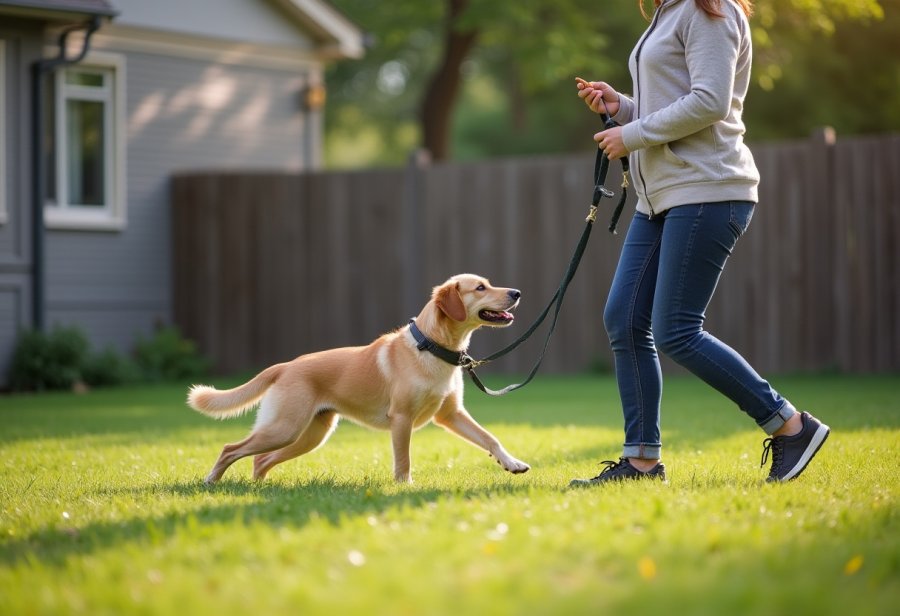
Transform Daily Walks into Calm, Bonding Experiences
To put your calm leash training into action, start in familiar, quiet places where your dog can focus without too many distractions. Keep sessions short—around five to ten minutes—so your dog remains engaged and doesn’t get overwhelmed. Use consistent cues like “heel” or “let’s go,” rewarding your dog immediately when they walk calmly beside you with slack on the leash. Quick, positive feedback helps your dog connect good behavior with rewards, making these habits stick.
Gradually, introduce more stimulating environments—busy sidewalks, parks, or areas with other dogs. Continue rewarding calm, attentive responses, and calmly redirect if your dog pulls or reacts. High-value treats or favorite toys can help maintain their focus when distractions are present. Consistency is key—everyone who walks your dog should use the same commands and rewards to avoid confusion and reinforce learning.
Building these routines into daily walks turns them into opportunities for bonding and training. If your dog pulls or gets distracted, pause and wait patiently until they slack the leash or make eye contact. Once they do, praise and reward before moving forward. Over time, these small, consistent efforts will teach your dog that staying calm and focused is always worth it.
Don’t expect perfection overnight. Some days will be better than others, and setbacks are normal. When challenges arise, take a step back to familiar ground, revisit basic cues, and reinforce calm responses. This steady approach builds confidence and helps your dog understand what’s expected, regardless of the environment.
Incorporate your training into every walk, whether in your neighborhood or at the park. Use your cues naturally and reward good behavior often. Celebrate small successes—like walking without pulling for a few steps—and remember that these tiny wins add up quickly. Consistency from everyone involved accelerates progress and helps your dog develop a relaxed, happy attitude during walks.
If your dog struggles with specific distractions, slow down, increase rewards, or revisit foundational exercises. Patience and persistence are your best tools. As you continue practicing, your dog will learn that calm, attentive walking is always rewarded, transforming daily routines into peaceful, bonding moments.
With time and effort, these routines become second nature. Your dog will respond more reliably, and walks will turn into calm, joyful experiences that strengthen your bond. This consistent application of learned techniques not only improves leash manners but also cultivates a sense of trust and confidence that lasts a lifetime.
Manage Your Investment in Dog Training Wisely
Training your dog for calm leash walking doesn’t have to break the bank, but understanding where your money goes helps you plan wisely. Basic gear like leashes, collars, and harnesses are affordable options, usually costing between $10 and $50. If you choose specialized tools like no-pull harnesses or head collars, expect to spend around $20 to $60. These tools can make training more comfortable for your dog and easier for you, especially if pulling or reactive behaviors are a concern.
Professional classes or private lessons often make up the biggest part of your investment. Prices vary by location and trainer experience, typically ranging from $50 to $150 per session. Group classes tend to be more budget-friendly and provide social benefits, while private sessions offer tailored guidance suited to your dog’s specific needs. Think of these expenses as investments in your dog’s well-being and your peace of mind during walks.
To keep costs manageable, explore community resources like local pet groups or shelters, which sometimes offer free or low-cost training options. Online tutorials and training apps can also serve as affordable supplements, providing step-by-step guidance you can follow at your own pace. These resources often cost less but can be just as effective when used consistently.
Gradually upgrading your gear as your dog progresses helps you avoid overspending upfront. Starting with a basic harness and leash, then moving to more advanced options as needed, allows you to allocate your budget wisely. Remember, the right tools and techniques matter more than expensive equipment—effective training comes from your consistency and patience.
Budgeting for ongoing expenses is equally important. Replacing worn-out gear, trying new collars, or adding training aids as your dog grows are normal parts of the process. Keeping a simple record of your expenses helps you stay on track and prevents surprises.
Tapping into online communities and support groups can be a cost-effective way to stay motivated and gather new tips. Sharing experiences and advice costs nothing and offers fresh insights, helping you troubleshoot challenges without extra spend.
With a clear budget and consistent effort, effective and peaceful leash training becomes accessible. Your investment in the right tools, training, and patience pays off by creating a more harmonious bond, turning daily walks into moments of mutual trust and joy.
Implement Your Training Plan for Lasting Success
To effectively implement your training plan, start in a calm, familiar setting where your dog can focus without too many distractions. Keep each session brief—around five to ten minutes—to maintain their interest and prevent fatigue. Use consistent cues like “heel” or “let’s go,” and immediately reward your dog when they walk calmly by your side with slack on the leash. Quick, positive feedback helps your dog associate good behavior with rewards, speeding up their learning process.
Set clear, achievable goals for each session to track progress and stay motivated. Whether reinforcing loose leash walking or practicing focus amid distractions, having specific targets keeps your training focused and effective. Prepare your environment beforehand by removing clutter and choosing a safe space. Starting with simple exercises builds your dog’s confidence before gradually increasing difficulty or introducing more stimulating environments.
Maintain a calm, assertive tone during training. If your dog pulls or reacts, stop walking immediately and wait until they slack the leash or make eye contact. Once they respond correctly, praise and reward before moving forward. Consistency in commands and timing helps your dog understand expectations, creating a reliable routine that becomes second nature. Over time, these responses will become automatic, making walks more peaceful and enjoyable.
Track your responses across different situations to identify what’s working best and where your dog struggles. If they become overwhelmed, revisit earlier training steps and increase exposure gradually. Patience is key—setbacks are normal. Celebrate small wins to boost confidence and reinforce progress. This steady approach ensures your dog learns to stay calm and attentive, regardless of the environment.
Incorporate your training into daily walks naturally. Use cues consistently, reward calm behavior often, and practice in various settings. When your dog pulls or gets distracted, pause and wait until they refocus. Reinforcing these habits daily builds trust and self-control, turning routine outings into bonding moments. With persistence and patience, your dog will develop a calm, responsive walking style that enhances your connection and makes every walk a shared success.
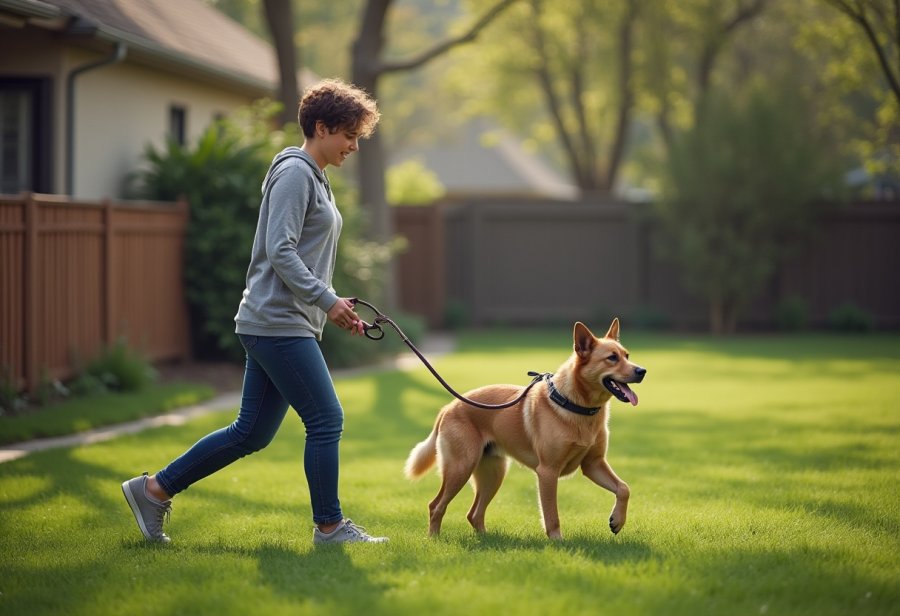
Prepare for Challenges and Overcome Setbacks Effectively
Training your dog for calm leash walking means preparing for inevitable setbacks and unexpected challenges. Distractions like other dogs, loud noises, or unfamiliar environments can suddenly pull your progress off course. When your dog becomes overwhelmed, staying calm yourself and redirecting their attention with familiar cues helps them regain focus. Reinforcing that calmness and attentiveness always lead to positive reinforcement teaches resilience, making your dog more adaptable over time.
It’s common for dogs to pull or react strongly despite your efforts. Instead of reacting with frustration, pause and revisit the basics. Gradually exposing your dog to more stimulating situations while rewarding calm responses helps them build confidence and self-control. Recognizing setbacks as part of the learning process prevents discouragement and keeps your training on track.
Seeking outside help can make a big difference when persistent issues arise. A professional trainer or behaviorist can identify underlying causes you might overlook and offer tailored exercises. If professional guidance isn’t an option, online resources and support groups provide valuable insights and encouragement. Sharing experiences with other owners facing similar challenges turns setbacks into learning opportunities.
Flexibility is key—no plan is perfect, and some obstacles are unavoidable. When setbacks happen, adjust your routine by slowing down, increasing rewards, or revisiting foundational exercises. This adaptability prevents frustration and promotes steady progress. Small, consistent adjustments reinforce your dog’s resilience and help them learn that staying calm in challenging situations is always worthwhile.
Staying consistent across all walks accelerates your dog’s development. Use the same cues, rewards, and routines in different environments to reinforce good habits. If difficulties persist, revisit earlier training stages and increase exposure gradually. Patience and persistence are your best tools for turning setbacks into stepping stones.
Remember, setbacks are natural. They’re not failures but signals to refine your approach. Respond calmly, adjust your methods, and celebrate small victories. Over time, these experiences strengthen your bond and teach your dog that calmness in any situation is rewarding. This steady, flexible mindset ensures your training remains effective and your walks become more peaceful and enjoyable for both of you.