Step into the world of backyard mechanics, where garages serve as sanctuaries of passion, craftsmanship, and hidden secrets. This vivid exploration reveals how these personal workshops are more than simple repair spaces—they are repositories of history, love, and ingenuity. From rust converters made from household ingredients to treasured inherited tools, each detail tells a story of resourcefulness and dedication. The act of restoring vintage cars becomes a deeply emotional journey, strengthening bonds, inspiring confidence, and fostering community through online forums and local meetups. Yet, behind the nostalgic charm lies a contrast between humble beginnings and high-tech innovations transforming the scene today. What secrets do seasoned hobbyists keep, and how do these spaces preserve tradition amid modern challenges? This narrative invites readers to discover that backyard garages are more than workspaces—they are living museums of perseverance, creativity, and personal legacy, where old machines are reborn through love and relentless pursuit of perfection.
Discover the Sanctuary of Passion in Your Backyard Garage
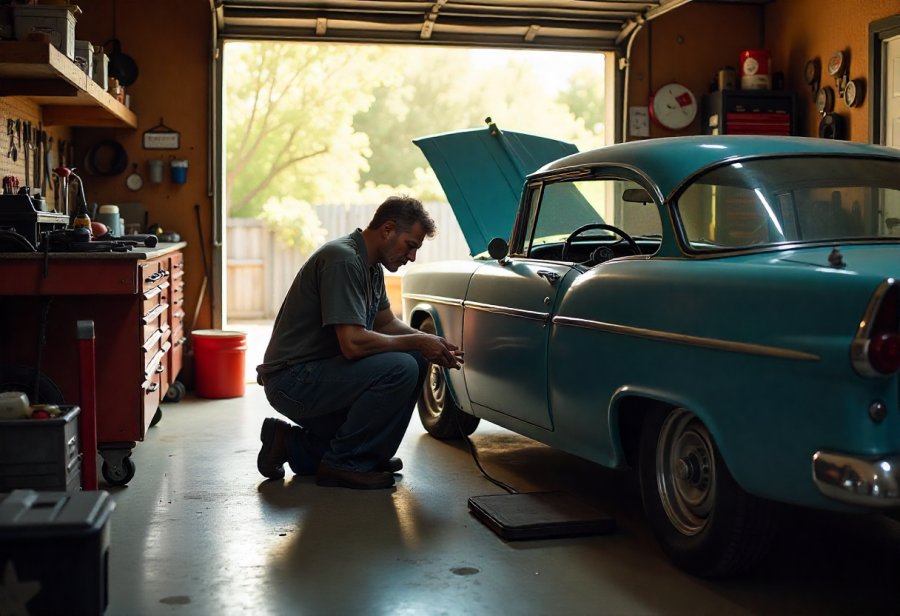
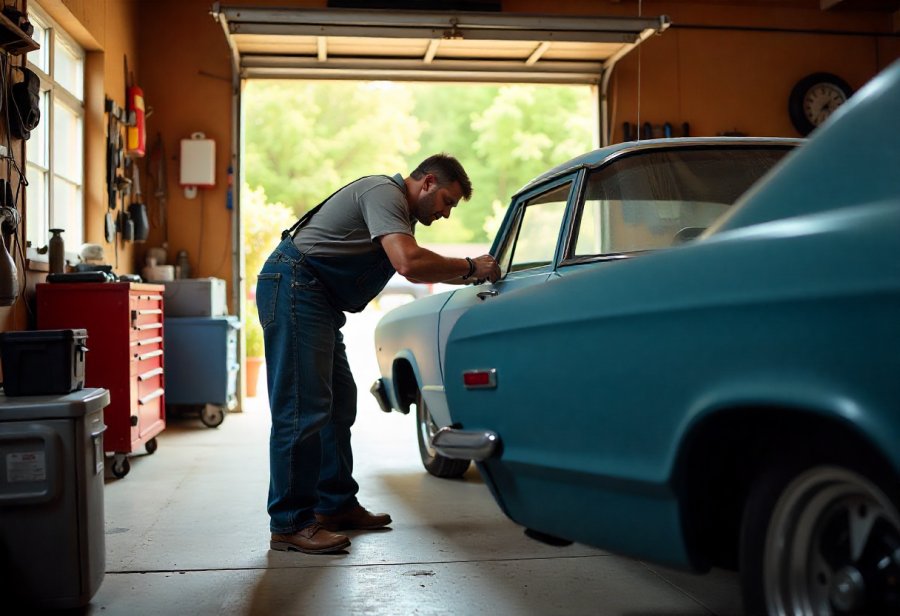
There’s something uniquely comforting about stepping into a backyard mechanic’s garage. It’s more than just a workspace; it’s a personal retreat where passion for cars and craftsmanship come to life. Amidst cluttered shelves, oil-stained floors, and scattered tools, time seems to slow down. Each turn of a wrench or careful cleaning of a part feels like a small act of devotion—an expression of love for vintage machines. These garages aren’t just about fixing cars; they’re sanctuaries where hobbyists connect deeply with their passion.
For many, this space reflects their identity. Whether restoring a cherished family heirloom or working on a long-held dream project, the garage becomes a place of emotional significance. It’s where stories are shared, skills are refined, and memories are created. More than a workshop, it’s a haven of independence and creativity—proof that craftsmanship isn’t just about the finished product but about the journey of restoration itself.
Understanding what drives backyard restoration reveals its true value. These projects aren’t merely mechanical repairs—they’re acts of preservation, expressions of individuality, and celebrations of tradition. When hobbyists breathe new life into a vintage engine or repaint a faded frame, they’re doing more than fixing a car—they’re honoring stories and customs passed down through generations. Recognizing this passion shows that these garages are lively hubs of dedication, artistry, and nostalgia.
Behind every project are secrets—special techniques, inventive tricks, and personal stories—that make each restoration unique. From homemade rust converters to inherited tools, these details add a personal touch. The garage becomes a treasure trove of ingenuity and emotion, where every restored vehicle carries a piece of its creator’s heart, turning mechanical work into a heartfelt journey.
Ultimately, the backyard mechanic’s garage is a sanctuary of passion and craftsmanship. It’s where old machines are given new life, and where dedication and love come together. These spaces are more than just workshops—they’re places where history, tradition, and personal storytelling merge, revealing the true spirit behind the ritual of revival.
Unveiling the Cultural Richness of Garage Restoration
Backyard garages have long been a vital part of automotive culture, serving as personal sanctuaries where passion and craftsmanship flourish away from commercial shops. These spaces often began as simple driveways or sheds transformed into dedicated workshops, driven by a desire for independence and a hands-on approach to vehicle restoration. Over time, they became symbols of resourcefulness, embodying a tradition of DIY mechanics that spans generations and borders.
For many enthusiasts, starting out means familiarizing themselves with basic tools—wrenches, screwdrivers, and jacks—that lay the foundation for a wide range of projects. These humble beginnings teach patience and problem-solving, key qualities in the journey of restoration. As skills grow, hobbyists often upgrade their setups with lifts, diagnostic devices, and specialized equipment, turning humble garages into serious workshops capable of tackling complex rebuilds.
Beyond the tools and techniques, these garages are repositories of stories, memories, and family legacies. Vintage parts, nostalgic memorabilia, and inherited tools create a sense of continuity, connecting current projects to past generations. Restoring a classic vehicle becomes more than a mechanical task; it’s a way to preserve history, honor tradition, and pass down craftsmanship and values.
Historically, backyard garages have also been hubs of innovation. Many restorers develop their own techniques—whether homemade rust converters or custom fabrications—that reflect ingenuity and resourcefulness. These small, personal innovations often surpass expensive solutions, proving that passion and creativity are at the heart of every successful revival.
In essence, backyard garages are more than just workspaces—they are cultural landmarks of dedication and love for vintage cars. They tell stories of perseverance, community, and the timeless desire to keep automotive history alive through personal effort and craftsmanship. These spaces continue to shape a vibrant, generational movement rooted in passion and the simple joy of bringing old machines back to life.
Reviving Vintage Machines: The Modern Backyard Revival
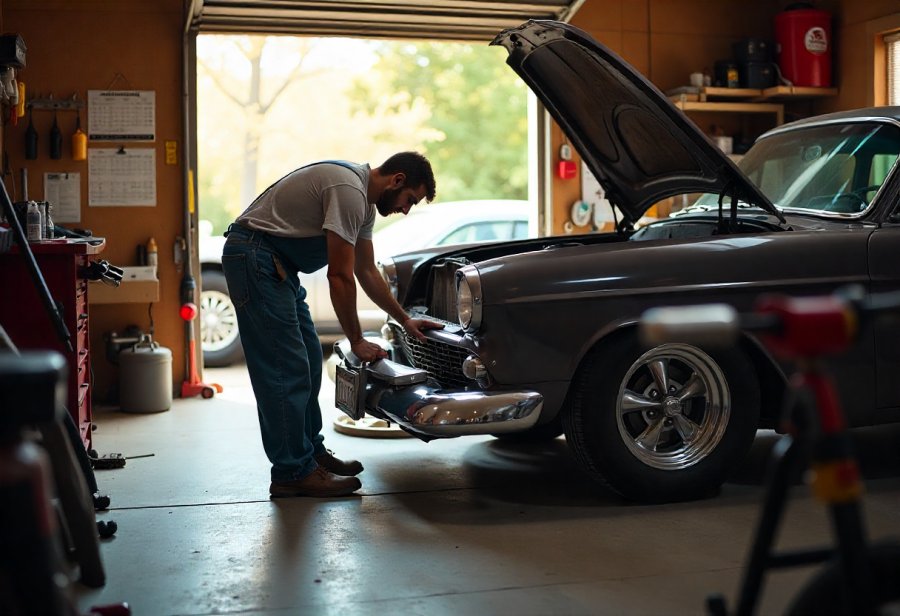
Today, backyard restoration is more lively than ever. Hobbyists are transforming their garages into fully equipped workshops, blending traditional craftsmanship with modern tools and technology. Online communities, forums, and social media platforms connect enthusiasts worldwide, making vintage car revival more accessible and inspiring a culture of shared knowledge and support.
Despite rising costs of parts and limited availability, the passion for breathing new life into old machines continues to grow. Seasons influence activity, with spring and summer motivating restorers to start projects before colder months settle in. Many see restoring vintage vehicles as more than a hobby; it’s a way to preserve automotive history, reconnect with the past, and keep traditions alive.
Garage setups today range from simple driveways with basic tools to elaborate workshops featuring lifts, digital diagnostics, and custom equipment. Some prioritize authenticity, sourcing original parts and employing period-correct techniques, while others enjoy customizing for performance or aesthetics. Regardless of approach, the common goal remains—to revive and enjoy these old machines.
Advances in technology have revolutionized backyard restoration. Digital scanners and electronic testers enable faster diagnostics, while impact wrenches and pneumatic sanders reduce labor. Equipment like bead blasters and laser cutters expand creative possibilities. Tutorials and online forums provide valuable guidance, helping hobbyists learn new skills and troubleshoot efficiently, making complex projects more manageable.
Working on vintage cars now often impacts daily life positively. The act of restoring offers a mental escape, a sense of purpose, and pride. Many find that completing a project boosts confidence and inspires new pursuits. Community events such as car shows and meetups strengthen bonds, turning individual efforts into shared celebrations of craftsmanship and history.
This scene fosters personal growth beyond mechanical skills. Restorers develop patience, problem-solving abilities, and resilience. Their projects become metaphors for overcoming challenges, translating into life skills and even new career paths. The sense of achievement from reviving a rusted relic resonates deeply, encouraging perseverance and dedication.
Overall, backyard restoration remains a dynamic, inspiring scene. Driven by a blend of tradition and innovation, it attracts passionate individuals eager to preserve history and express creativity. Despite obstacles, the spirit of revival endures, proving that these garages are more than workspaces—they’re hubs of passion, craftsmanship, and community.
Navigating the Costs and Value of Restoration Projects
Restoration projects in backyard garages can range from modest repairs to full-scale rebuilds, and costs vary just as widely. A simple fix, like replacing worn brake pads or giving a car a fresh coat of paint, might only require a few hundred dollars. These smaller projects often involve purchasing parts, basic supplies, or a few tools—expenses most hobbyists can handle without much trouble. But as the scope expands to engine rebuilds, bodywork, or custom modifications, costs can easily climb into the thousands. Investing in specialized tools, rare parts, or professional help can add up quickly, making careful planning essential to stay within budget.
Budgeting is key to keeping restoration both manageable and enjoyable. Many enthusiasts start by taking stock of what tools and parts they already own, then estimating what they’ll need to purchase. Sourcing parts from junkyards, online marketplaces, or swap meets helps cut costs—especially when hunting for vintage or hard-to-find components. DIY techniques, like fabricating small parts or handling their own paintwork, further reduce expenses. It’s a balancing act—knowing when to spend and when to improvise—to keep costs under control without sacrificing quality.
For many, the value of the finished vehicle justifies the investment. Restored vintage cars can appreciate in value, making the project feel like a worthwhile financial endeavor. But even more than that, the emotional payoff—reviving a beloved family car or a long-held dream—far outweighs the dollar signs. A well-executed restoration becomes a treasured keepsake, a pride of ownership that often becomes a family heirloom or a showpiece. This deep sense of accomplishment makes the financial investment feel secondary to the joy of creation.
Smart resourcefulness helps hobbyists keep costs in check. Learning new skills through online tutorials, reusing parts, or trading with other enthusiasts all contribute to a more affordable project. Patience also pays off—waiting for the right parts or taking advantage of sales can make a significant difference. By approaching restoration with a plan and a realistic budget, hobbyists preserve their passion without risking financial stress. It’s about enjoying the process as much as the final product.
In the end, the expenses involved in backyard restoration reflect the effort, dedication, and love poured into each project. Whether working on a tight budget or with more resources, the key is to focus on what brings personal satisfaction. Restoring a vintage vehicle isn’t just about the car—it’s about the journey, the skills gained, and the memories created along the way. Managing costs wisely ensures the hobby remains sustainable and fulfilling, turning dreams of revival into tangible achievements with lasting meaning.
Transformative Stories: How Restoring Cars Shapes Lives
Restoring a vintage car in a backyard garage often has a profound effect beyond just the vehicle itself. For many hobbyists, these projects become a source of pride and a meaningful escape from everyday stress. Imagine coming home after a long day and spending a few hours tinkering on a car that’s been a passion for years. The satisfaction of hearing an engine roar back to life or seeing a rusty frame transformed into a shining classic boosts confidence and provides a deep sense of achievement that spills over into other areas of life.
Stories of personal growth are common among backyard restorers. Take Mark, who dedicated two years to rebuilding a rusted 1967 Mustang. When it finally roared to life, the pride was palpable—neighbors gathered, and the car became a neighborhood icon. That project didn’t just revive a vehicle; it reignited his enthusiasm for life and inspired him to pursue new challenges with renewed energy. For Lisa, restoring her grandfather’s vintage Volkswagen Beetle rekindled family memories, strengthening bonds and deepening her appreciation for craftsmanship and history.
This passion often extends into social circles and community events. Car shows, meetups, and online forums become platforms where enthusiasts exchange ideas, showcase their work, and motivate newcomers. Sharing successes and setbacks creates a sense of belonging, turning individual efforts into collective celebrations of craftsmanship and perseverance. These interactions help foster a community that values patience, skill, and dedication—traits that carry over into daily routines and personal development.
Working on these projects also teaches valuable life skills—problem-solving, patience, resilience—that go well beyond the garage. Many find that reviving a rusty relic becomes a metaphor for overcoming obstacles, building confidence and persistence. Some hobbyists even turn their passion into side businesses or careers, transforming their personal projects into livelihood. The act of bringing a vintage car back to life often becomes a catalyst for growth, connection, and new opportunities.
In the end, backyard restoration influences more than just vehicles. It shapes identities, builds community, and inspires perseverance. Each revived machine tells a story of dedication and love, serving as a reminder that these garages are more than workspaces—they are sanctuaries of passion that enrich lives in unexpected ways.
Secrets of the Garage: Tricks, Tales, and Hidden Gems
In backyard garages, some of the most intriguing secrets are hidden in the clever tricks and resourcefulness of seasoned hobbyists. For example, rust removal isn’t always about expensive chemicals or specialized equipment. Many restorers swear by homemade rust converters made from simple household ingredients like vinegar or lemon juice, transforming what was once a tedious chore into an affordable, effective solution. These small innovations often come from years of experience and a deep understanding of materials, proving that ingenuity often trumps high-tech tools.
Stories also fill these spaces with a sense of magic and nostalgia. Hobbyists frequently share tales of stumbling upon rare parts tucked away in junkyards or inherited tools that carry family histories. One enthusiast might find a forgotten, rusted engine block that becomes the centerpiece of a years-long project, while another may pass down a cherished wrench used for generations. These stories add a personal layer to restoration, turning mechanical work into a heartfelt journey of discovery and preservation.
Beyond tools and tales, there’s a quiet art to problem-solving in these garages. Many mechanics develop their own inventive methods for common issues—fabricating custom brackets from scrap metal or using creative techniques to repair damaged body panels. These solutions often stem from a love of tinkering and a refusal to accept that some problems are insurmountable. A homemade jig or a carefully crafted repair patch becomes a badge of honor, reflecting patience and craftsmanship.
The garage itself often holds sentimental secrets. Hobbyists pass down special tools, rare parts, or handwritten notes that detail specific restoration techniques. These items become treasured heirlooms, connecting generations and adding emotional significance to each project. Sometimes, a simple story about how a tool was used to fix a first car or restore a family vehicle becomes as valuable as the machine itself, deepening the bond between the mechanic and their craft.
What makes backyard restoration truly compelling is the passion that fuels these hidden secrets. It’s about more than just fixing cars—it’s about love for the process, the joy of discovery, and the pride in craftsmanship. These spaces become laboratories of creativity, where every trick learned and story shared weaves into a larger tapestry of dedication. The secrets are not just technical; they’re part of a personal legacy that keeps the spirit of vintage revival alive and thriving.