Learning to ride a bike is more than just a childhood rite of passage; it’s a profound lesson in courage, resilience, and family support. Every wobble and fall becomes a stepping stone toward independence, challenging the fear of failure with the thrill of achievement. But does the fear of falling outweigh the joy of freedom? As young riders and adults alike navigate this journey, they discover that setbacks are natural and necessary, fostering emotional strength and self-trust. The process emphasizes patience, proper environment, and gradual skill-building—whether through balance bikes, protective gear, or small, manageable steps. Ultimately, mastering the bike transforms not only physical ability but also attitudes toward challenges in life. Are we truly prepared to embrace fear as part of growth? This inspiring journey reminds us that perseverance, family encouragement, and a positive mindset turn falls into empowering leaps—cultivating confidence that lasts a lifetime.
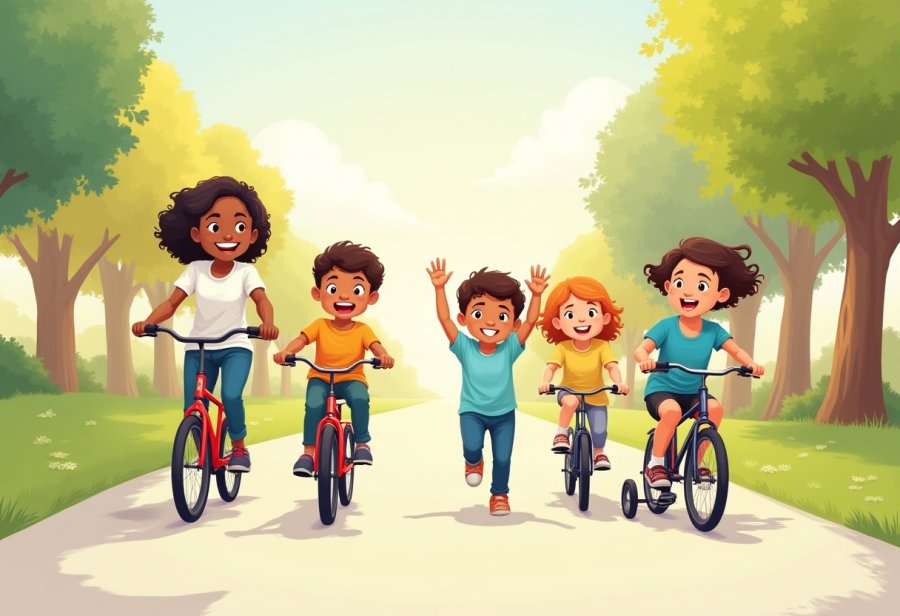
Embrace Growth and Independence Through Your First Bike Ride
Learning to ride a bike marks more than just a childhood milestone; it’s a universal symbol of growth, courage, and independence. That first wobbling attempt often feels like stepping into the unknown, yet it sparks a sense of adventure and possibility. It’s a moment when fear begins to fade, replaced by curiosity and pride. These early rides become shared family memories—moments of encouragement, patience, and joy that strengthen bonds and build trust.
Beyond the thrill, learning to ride teaches resilience. Facing the fear of falling is a natural part of the process, and each wobble or tumble is a step toward mastery. With gentle guidance and steady support from family, beginners learn that setbacks aren’t failures but essential parts of growth. Confidence is built gradually, as small successes replace initial doubts, turning nervous energy into a sense of achievement.
Family plays a vital role in nurturing this confidence. When parents or siblings cheer from the sidelines, offering reassurance and encouragement, they create a safe space for kids to experiment and learn. Their presence reminds learners that falling isn’t the end—it’s just part of the journey. These shared moments of perseverance don’t just teach riding skills; they foster emotional resilience and deepen family connections.
Learning to ride also symbolizes a leap toward independence. As kids gain balance and control, they start exploring the world on their own terms. This sense of achievement fuels self-esteem, empowering children to face new challenges with a positive mindset. For adults, mastering the bike later in life is equally inspiring, proving that growth and new skills aren’t confined to childhood.
Throughout this journey, patience and support are key. Every wobble, every fall, becomes a stepping stone rather than an obstacle. With encouragement, safety gear, and a positive environment, learners develop not just cycling skills but also a resilient attitude that extends into all areas of life. The simple act of learning to ride becomes a powerful lesson in perseverance, confidence, and the importance of family support.
Ultimately, these moments of courage, family bonding, and personal triumph shape more than just a rider—they shape a resilient, confident individual ready to take on life’s many adventures. Learning to ride isn’t just about wheels and pedals; it’s about discovering the courage within to keep moving forward, no matter the fall.
Creating the Perfect Environment for Bike Learning
Before starting to ride, setting up the right environment and choosing the proper equipment can make all the difference. A flat, open space like a park, driveway, or quiet street provides a safe area free of traffic and distractions, giving beginners space to focus on their skills. Ensuring the bike fits comfortably is equally important; when seated, the rider’s feet should reach the ground easily, offering stability and confidence with each step. This simple adjustment helps reduce anxiety and encourages a positive learning experience.
Familiarity with the bike’s parts also plays a crucial role in building control. Taking a few moments to explain how the brakes work, where the pedals are, and how to steer helps demystify the machine. Demonstrating gentle brake pressure or proper handlebar grip makes these functions less intimidating. When learners understand how their bike operates, they feel more in command and ready to practice.
Starting with balance is fundamental. Many recommend removing the pedals or using a balance bike first, so children can focus solely on staying upright. This approach emphasizes stability over speed and allows learners to develop a natural sense of balance without the added complexity of pedaling. Practicing on gentle slopes or smooth surfaces helps them understand how to shift their weight and maintain control, which builds confidence early on.
Overcoming the fear of falling often involves practicing on soft, grassy areas or padded surfaces. Wearing safety gear like helmets, knee pads, and elbow pads not only protects but also reassures learners that they are prepared for inevitable tumbles. These protective elements encourage more daring attempts and reduce hesitation, making the process less stressful and more enjoyable.
Breaking down the learning process into small, manageable steps keeps motivation high. Beginners might start by gliding on the bike without pedals, then progress to balancing while walking alongside it. Introducing pedaling gradually ensures that each new skill builds on the last, preventing overwhelm. Celebrating these small milestones reinforces progress and fuels enthusiasm.
Creating a supportive environment is essential. Clear instructions, demonstrations, and positive feedback help learners understand what to do and feel encouraged. Short, frequent practice sessions are more effective than long, exhausting ones, keeping energy levels up and frustration at bay. A patient, encouraging attitude transforms the learning experience into a fun and rewarding journey.
As confidence grows, learners can be gently introduced to challenges like gentle inclines and turns. Moving at their own pace prevents frustration and setbacks, fostering resilience. This gradual exposure allows skills to develop naturally, making riding feel less intimidating and more enjoyable.
Every rider learns differently. Some pick up skills quickly, while others need more time and practice. Tailoring approaches, maintaining patience, and celebrating small wins make the process smoother. With consistent support and a focus on gradual progress, learning to ride transforms from a daunting challenge into an empowering experience.
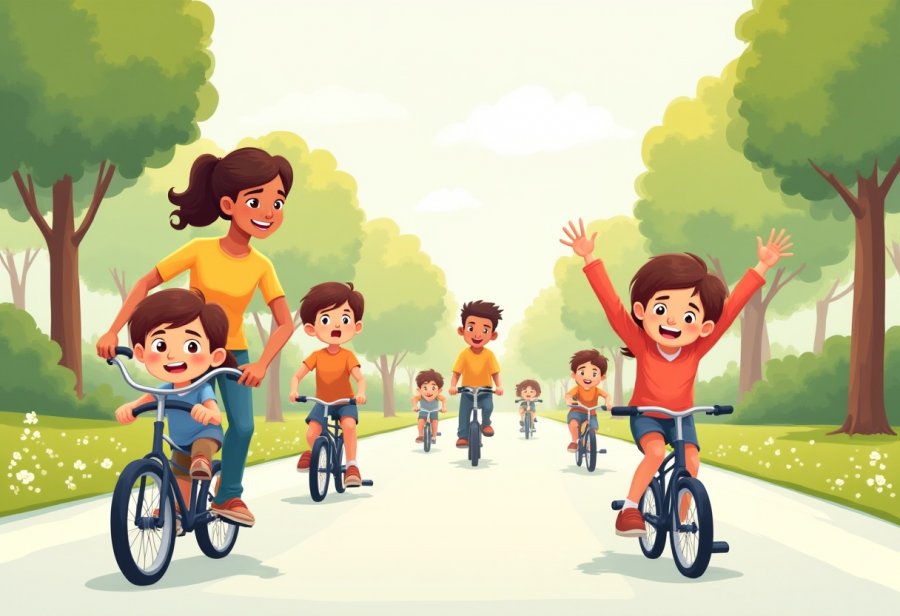
Step-by-Step Techniques to Master Bike Riding
Learning to ride a bike effectively often depends on choosing the right approach and sticking with it. One of the most popular methods is a gradual progression, starting with balance before introducing pedaling and steering. Many parents and instructors begin by using balance bikes or removing pedals, allowing learners to focus solely on staying upright. This reduces overwhelm and makes each success feel attainable, building confidence step by step. Once balance feels natural, adding pedals and steering comes more easily, as they build on a solid foundation.
Breaking the process into small, manageable steps keeps motivation high. Instead of rushing into riding, learners can start by walking alongside the bike, then practice gliding without pedals, and finally introduce pedaling. These milestones help prevent frustration and give learners clear goals to aim for. Celebrating each small victory reinforces progress, turning confidence into a habit and making the journey feel rewarding rather than daunting.
Different strategies suit different learners. For young children, training wheels can offer stability while they master steering and pedaling. However, training wheels might delay the development of true balance, making future transitions trickier. Balance bikes, which emphasize stability without pedals, often help kids quickly grasp their sense of balancing, smoothing the move to a pedal bike. Selecting the right method based on individual needs makes the learning process smoother and more enjoyable.
Consistency is key. Short, frequent practice sessions help develop muscle memory and confidence without causing fatigue or boredom. Repeating specific skills like stopping, starting, or turning helps turn new movements into habits. Over time, these small, repeated efforts add up, making confident riding a realistic goal. Patience and persistence during practice encourage learners to stay engaged and see setbacks as part of the process.
Creating a supportive environment enhances learning. Safe, open spaces like parks or quiet driveways allow learners to focus and feel secure. Clear instructions, demonstrations, and positive feedback help reduce anxiety and clarify what to do. Keeping practice sessions brief and regular maintains energy and enthusiasm, turning practice into a positive routine. Encouragement and patience from parents or instructors make setbacks feel normal and manageable, fostering resilience.
As skills improve, introducing gentle challenges like slight inclines or turns helps learners adapt to real-world riding conditions. Moving at their own pace prevents frustration and builds resilience. Gradually increasing difficulty ensures skills develop naturally, making riding feel less intimidating and more fun. This balanced approach nurtures independence and confidence, turning the journey into a rewarding adventure that extends beyond just riding a bike.
Applying Practical Strategies to Build Confidence and Skill
Getting started with applying bike learning principles means creating a safe, inviting space where beginners can build confidence without feeling overwhelmed. Flat, open areas like parks or quiet driveways work best, providing a distraction-free environment that allows learners to focus on their skills. Ensuring the bike fits properly—so that seated, their feet touch the ground easily—gives them a sense of stability and control right from the start. This simple step helps reduce anxiety and makes the experience more approachable.
Familiarity with the bike’s parts is equally important. Taking a few moments to explain how the brakes work, where the pedals are, and how to steer helps learners feel more in command. Demonstrating gentle brake pressure or proper handlebar grip makes these functions less intimidating. When riders understand their bike, they gain a sense of control that encourages them to experiment and practice more confidently.
Start with basic balancing exercises before adding pedaling or turning. Many beginners benefit from practicing on soft grass or using a balance bike, which emphasizes stability without the distraction of pedaling. These early steps build a strong foundation, helping learners trust their balance and feel safe during their first rides. Short, focused practice sessions keep motivation high and prevent frustration from building up too quickly.
Encourage learners to practice simple drills like walking alongside the bike or gliding without pedals. These exercises foster a natural feel for the bike’s movements and help develop core skills gradually. Celebrating small successes along the way boosts confidence and keeps enthusiasm alive. As comfort grows, slowly introduce pedaling, making sure each new skill builds on the last.
Supportive encouragement from parents and instructors makes a big difference. Patience and positive reinforcement turn setbacks into learning opportunities. Reminding learners that falls and wobbles are normal parts of the process reassures them and reduces fear. Keeping practice sessions brief and frequent maintains energy levels and reinforces progress without causing burnout.
Safety gear plays a vital role in building confidence. Helmets, knee pads, and elbow pads protect against inevitable tumbles and help learners feel secure enough to push their boundaries. Normalizing minor falls as part of learning encourages persistence and resilience. When learners see that safety equipment is just an extra layer of reassurance, they become more willing to try and try again.
As confidence improves, introduce small challenges like gentle slopes or tight turns gradually. Moving at their own pace prevents frustration and helps build resilience. This incremental approach ensures skills develop naturally, making riding feel less daunting and more fun. Supporting learners through these steps fosters independence and a positive attitude toward learning.
Every rider progresses differently. Some pick up skills quickly, while others need more time and patience. Tailoring your approach, celebrating every small win, and maintaining consistent support transforms riding from a daunting challenge into an empowering experience. With steady guidance and encouragement, learners develop not just cycling skills but also resilience, independence, and a lifelong love for riding.
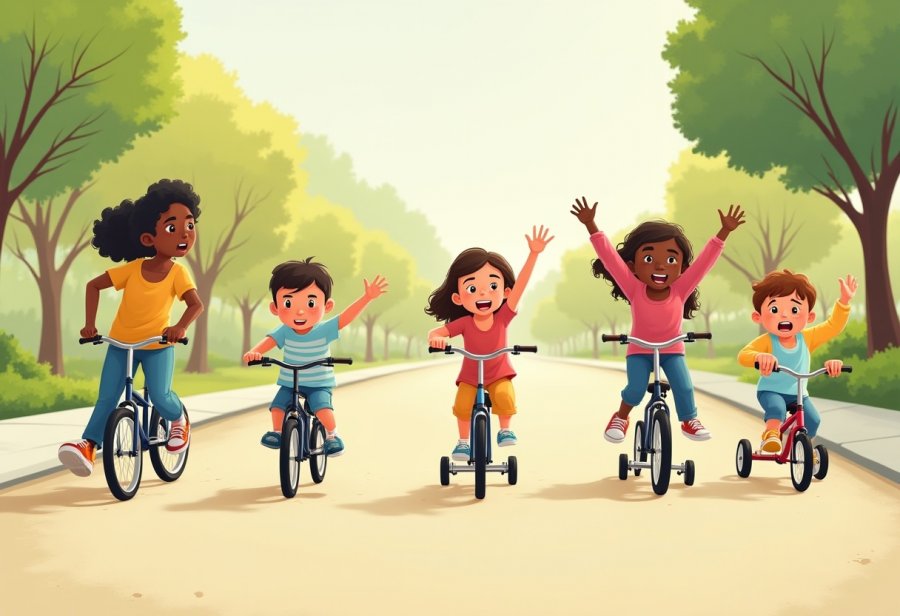
Reflecting on the Lessons of Perseverance and Personal Triumph
Learning to ride a bike is more than just acquiring a new skill; it’s a journey that shapes resilience and confidence. Each wobble or fall along the way becomes a valuable lesson, teaching riders that setbacks are natural steps toward mastery. These moments of difficulty often transform into sources of motivation, reminding us that persistence can turn fear into freedom. Overcoming the fear of falling is not about avoiding falls altogether but about learning to trust oneself enough to get back up and keep trying.
The benefits of learning to ride extend far beyond the bike itself. It cultivates a mindset of perseverance and adaptability that can be applied in many areas of life. Whether facing challenges at work, school, or personal goals, the resilience built through cycling helps individuals stay motivated and resilient. Families that support this process create a safe space where mistakes are seen as part of growth, strengthening bonds and fostering a shared sense of achievement.
As cycling technology advances and training methods evolve, the experience becomes even more accessible and enjoyable. Lighter bikes, better safety gear, and innovative training tools open new doors for learners of all ages and abilities. These innovations reinforce that everyone can experience the joy and independence that come with riding, regardless of background or skill level. The core lesson remains clear: learning to ride is about more than just pedaling—it’s about developing a lifelong attitude of resilience and confidence.
The act of falling and getting back up becomes central to this journey. Normalizing setbacks helps learners see them as natural rather than discouraging. With patience and ongoing support, each stumble becomes an opportunity to reinforce determination. Over time, these small victories accumulate, transforming initial fears into a sense of accomplishment and independence that endures. Every successful ride is a reminder that perseverance pays off and that growth often comes from the willingness to try again.
Reflecting on the entire process reveals that the true value lies in the lessons learned along the way. Every wobble, every fall, and every small success contribute to a deeper understanding of persistence and self-trust. These experiences shape how we approach future challenges, teaching us that resilience isn’t just about riding a bike—it’s a vital life skill. The confidence gained from overcoming fears on two wheels becomes a powerful metaphor for tackling obstacles with courage and optimism.
Finally, the journey of learning to ride underscores the importance of patience, support, and a positive mindset. It shows that growth happens gradually and that setbacks are simply stepping stones to success. With encouragement and perseverance, anyone can transform initial fears into a sense of achievement. The skills and confidence gained don’t just make riding easier—they foster a resilient, independent outlook that can carry us through many of life’s challenges, making the journey of learning to ride a truly empowering experience.