The Dodge Charger stands as an enduring icon of raw American muscle, embodying rebellion, power, and primal instincts that ignite the road. Since its late-‘60s debut, it has captured imaginations with its aggressive design, thunderous engines, and legendary presence in Hollywood and street racing culture. More than just a car, the Charger symbolizes strength, independence, and unrestrained freedom—traits that continue to resonate across generations. From vintage models like the 1969 R/T to modern supercharged beasts like the SRT Hellcat, it’s a relentless pursuit of raw performance and iconic style. But as automotive technology evolves and environmental concerns grow, can the Charger retain its primal roar? Will future innovations preserve its rebellious spirit or redefine what it means to own the road? This legacy of resilience, innovation, and cultural influence makes the Dodge Charger more than a vehicle—it’s a fearless statement of American muscle, forever pushing limits and inspiring rebellion.
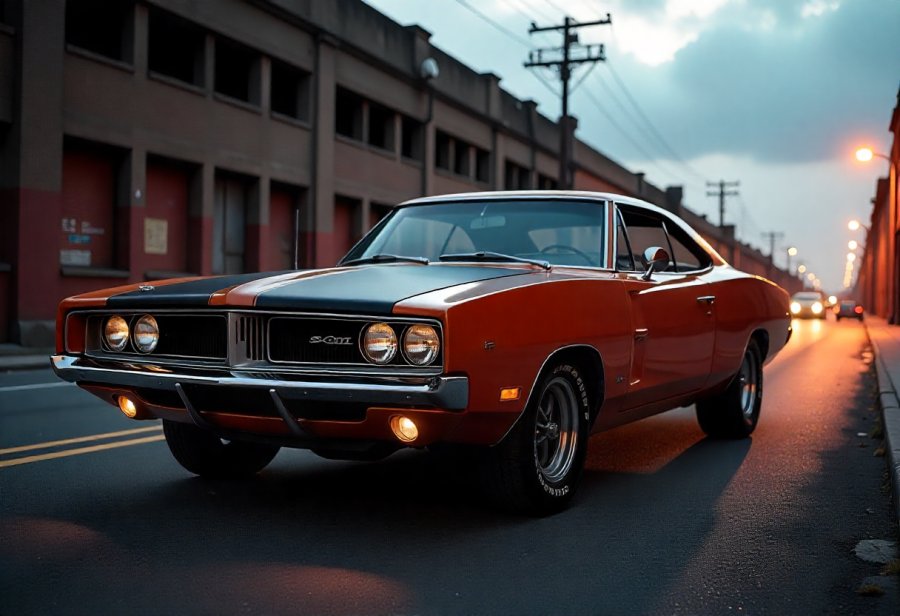
Unleashing the Spirit of American Rebellion: The Dodge Charger’s Enduring Legacy
Few cars capture the spirit of American muscle more vividly than the Dodge Charger. Since its debut in the late 1960s, it has become an enduring symbol of rebellion, power, and freedom on the open road. Its bold design and thunderous engines have made it a staple in street racing, Hollywood films, and music culture, cementing its place as an icon of automotive history. The Charger isn’t just about speed; it’s about making a statement that commands attention and respect wherever it appears.
What makes the Dodge Charger stand out isn’t just its impressive horsepower or aggressive silhouette. It embodies a primal desire for speed and dominance, tapping into our instinct for strength and freedom. Its roaring engine sounds and commanding presence evoke a sense of raw energy—an invitation to own the road and express rebellion. In many ways, the Charger is more than a machine; it’s a cultural emblem that resonates deeply with enthusiasts and casual fans alike.
Throughout its history, the Charger has transcended its role as a mere vehicle. It has starred in iconic movies like “Bullitt,” where Steve McQueen’s legendary chase scene behind the wheel turned it into a symbol of cool, street-smart attitude. Musicians and street racers have long used its fierce image to showcase resilience and independence, turning the car into a cultural icon that embodies rebellion and raw power. This legacy continues to inspire new generations to embrace their primal instincts and push boundaries.
The Charger’s influence extends beyond entertainment and street culture. Its design and engineering have evolved over decades, always maintaining its core identity of primal performance. From the sleek, fastback models of the late ’60s to today’s modern versions packed with advanced technology, each iteration pays homage to its rebellious roots while embracing innovation. The Charger remains a vehicle that commands attention whether tearing down highways or starring in a blockbuster.
At its heart, the Dodge Charger is a reflection of American ideals—freedom, strength, and independence. It represents the open road and the desire to break free from societal norms. More than just metal and rubber, it embodies a cultural ethos rooted in primal instincts and relentless pursuit of power. As a legendary muscle car, the Charger continues to inspire a sense of rebellion that resonates across generations, forever cemented as a symbol of raw, unrestrained road power.
From Inception to Icon: Tracing the Dodge Charger’s Evolution and Cultural Impact
The Dodge Charger first made its debut in 1966, quickly establishing itself as a bold statement in the world of American muscle cars. With its sleek, fastback silhouette and powerful engine options like the legendary 426 HEMI, it set a new standard for street performance and rebellious style. The Charger wasn’t just about looks; it was engineered for raw speed and street dominance, embodying the spirit of independence that defined the late ’60s muscle car era. Its muscular stance and aggressive contours conveyed strength and authority, making it an instant favorite among enthusiasts seeking both performance and attitude.
As the late ’60s and early ’70s unfolded, the Charger’s reputation grew through its appearances in street racing scenes and iconic Hollywood films. The 1968 redesign introduced a more aggressive look, with a broader body and sharper styling cues that emphasized its street presence. Models like the R/T and Super Bee packed big-block engines, roaring like beasts on the asphalt. These editions cemented the Charger’s image as a symbol of rebellion, speed, and American muscle, capturing the imagination of a generation eager to push boundaries and defy conventions.
The ’70s marked the height of the Charger’s cultural influence. Its starring role in movies like “Bullitt,” where Steve McQueen’s legendary chase scene behind the wheel turned it into a cinematic icon, boosted its legendary status. The car’s sleek silhouette combined with its thunderous engine sound made it a symbol of toughness and independence. Street racers and musicians alike used the Charger’s fierce image to represent resilience and defiance, embedding it deeply into street culture and the broader American rebellious ethos. These moments elevated the Charger from a mere vehicle to a cultural phenomenon.
Despite shifting automotive trends and stricter emissions standards, the Charger managed to adapt and stay relevant. The late ’70s and early ’80s saw it evolve with new styling and technological updates, but it always retained its core identity rooted in primal power. The 2006 reboot revived the model, blending classic muscle car aesthetics with modern engineering and technology. Today’s versions, like the SRT Hellcat, continue to carry that rebellious legacy forward with supercharged engines and cutting-edge features, proving that the Charger’s spirit is as alive as ever.
Throughout its history, the Dodge Charger has reflected more than just changing automotive styles; it mirrors shifts in American culture itself. From street-racing outlaw to modern muscle icon, it embodies the relentless pursuit of speed, strength, and freedom. Its story is woven with legendary figures, iconic film moments, and street racing legends—each chapter reinforcing its status as a symbol of rebellion and primal road power. The Charger’s evolution is a testament to its enduring appeal, forging a legacy that continues to inspire new generations to embrace their own rebellious spirit.
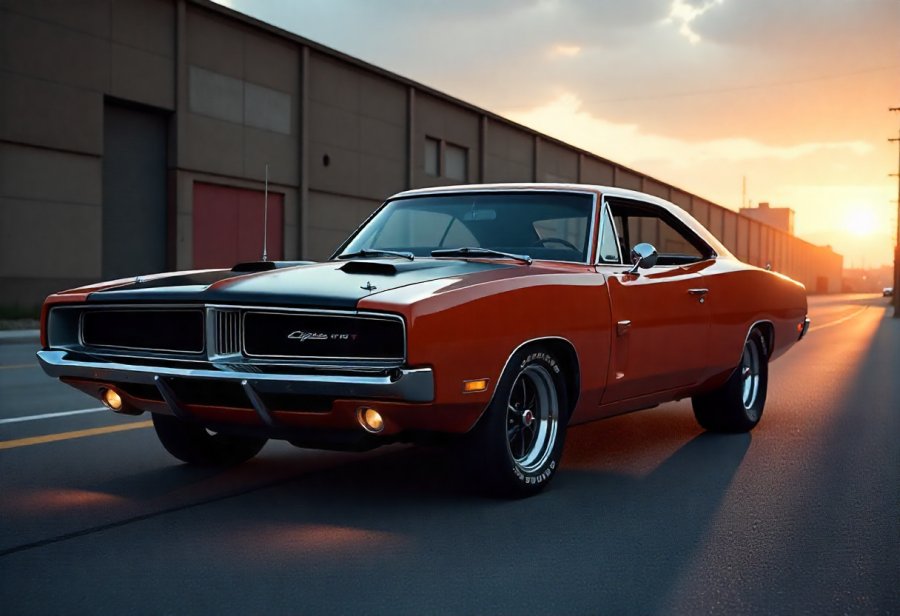
Design and Power: The Core Principles That Define the Dodge Charger
The Dodge Charger’s core identity revolves around its bold, muscular design combined with a relentless focus on raw performance. Its wide stance and aggressive lines immediately command attention, with a long hood and broad grille reinforcing its intimidating presence. Every curve and detail serve a purpose, enhancing aerodynamics and stability at high speeds while maintaining a design that screams power and confidence. This blend of form and function ensures the Charger isn’t just visually striking but also engineered for dominance on the road.
Beneath its striking exterior lies a range of engine options that embody its primal spirit. From the legendary HEMI V8s—like the iconic 426 HEMI—to modern supercharged variants such as the Hellcat, these engines deliver thunderous acceleration and a commanding exhaust note. Designed for straight-line speed and relentless power, they make the Charger feel like a wild beast unleashed. The engineering behind these powertrains emphasizes durability, responsiveness, and the ability to handle high-performance demands, ensuring the car delivers adrenaline-pumping experiences every time.
The mechanical systems further amplify its primal appeal. Modern Chargers boast advanced suspension setups that balance agility with comfort, enabling precise handling at high speeds. High-performance brakes, adaptive damping, and sophisticated drivetrain technology work in harmony to give drivers control and confidence, whether tearing down a highway or launching off a drag strip. Every component is tuned to deliver instant response, embodying the car’s reputation as a street racing beast that commands respect.
Design elements like the long hood, wide grille, and muscular stance aren’t just about aesthetics—they’re functional too. They facilitate better airflow and cooling, helping the engine perform optimally during intense driving. The bold styling cues echo the Charger’s heritage, creating a cohesive look that’s both intimidating and purposeful. This seamless integration of design and engineering reflects a philosophy rooted in tradition but driven by modern innovation, keeping the Charger relevant and revered as a symbol of unrestrained muscle.
At its core, the Dodge Charger embodies attitude and rebellion. It’s built for those who seek more than transportation—they want an extension of their primal instincts. Every aspect, from its architecture to its mechanical components, evokes a sense of dominance and freedom. It’s a vehicle crafted for the performance enthusiast who refuses to settle for anything less than primal road power, making it a true icon of American muscle that continues to inspire awe and admiration.
The Charger’s relentless focus on raw power, aggressive design, and mechanical mastery cements its place in automotive history. It’s more than a car; it’s a statement—a living testament to the enduring spirit of rebellion, strength, and independence that defines American muscle. With each generation, it evolves without losing its primal edge, ensuring that the legacy of the Dodge Charger remains as potent and captivating as ever.
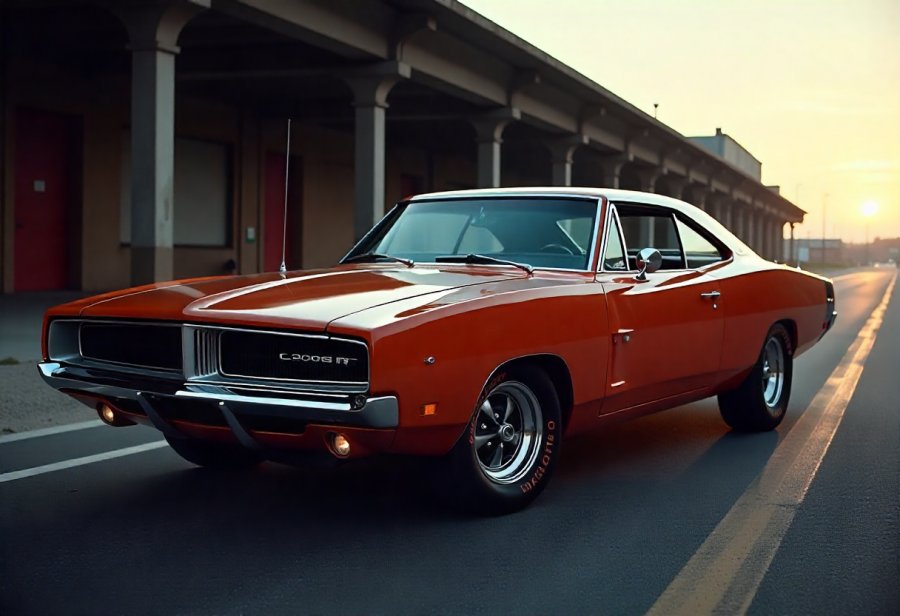
The Street Legend Comes Alive: The Dodge Charger’s Role in Action and Enthusiast Culture
The Dodge Charger has long been celebrated as a street racing icon, and in real-world settings, that reputation is well-earned. Its muscular stance and thunderous engine roar turn heads on city streets and drag strips alike, embodying raw American muscle at its best. Enthusiasts often customize their Chargers with performance upgrades—cold air intakes, exhaust systems, supercharger kits—to unlock even more ferocity. These modifications transform a stock model into a beast capable of tearing up pavement and outpacing rivals, fueling the adrenaline rush of street racing culture.
Car clubs and muscle car communities hold the Charger in high regard. Gatherings are vibrant scenes where owners showcase vintage models like the 1969 R/T with its legendary HEMI engine, alongside modern versions like the SRT Hellcat boasting over 700 horsepower. These meetups aren’t just about showing off—they’re celebrations of rebellion, speed, and shared passion. The Charger’s presence at these events reinforces its role as more than transportation; it’s a symbol of primal power and a badge of honor among enthusiasts.
The Charger’s influence extends deeply into street racing culture, where its bold design and engine roar have become legendary. Scenes from movies like “Bullitt,” with Steve McQueen behind the wheel, helped cement its reputation as a symbol of toughness and independence. Today’s models, with their supercharged engines and aggressive styling, keep that spirit alive, blending classic muscle car DNA with cutting-edge technology. Each race or spirited run is a reminder of the car’s unrelenting drive to dominate the asphalt.
Owning a Charger isn’t just about the thrill of speed—it’s about embracing a performance heritage. Many owners take pride in tuning their cars for maximum response, learning optimal launch points, and perfecting throttle control. Online forums and local meetups serve as hubs for advice and camaraderie, helping enthusiasts push their Chargers to the limit. This community-driven spirit keeps the legend of street racing alive and vibrant, maintaining the car’s reputation as a true street beast.
Every rev and every launch reinforces the Charger’s role as a primal road warrior. Its thunderous engine sound and aggressive silhouette symbolize freedom and resilience, inspiring a sense of rebellion. Whether tearing through city streets or dominating drag strips, the Charger embodies the relentless pursuit of power and speed that defines American muscle. Its presence on the asphalt is a declaration: this is a vehicle built not just for performance, but for unleashing primal instincts.
In the broader culture, the Charger remains a symbol of rebellion and unrestrained strength. Its appearances in movies, music videos, and street races have helped sustain its legendary status. Each new model pays homage to its roots while incorporating modern enhancements, ensuring its relevance for generations to come. The Charger’s roar continues to echo as a call to those who crave the raw energy of unfiltered speed and street dominance.
Ultimately, the Dodge Charger’s role in action scenes and street culture underscores its status as more than just a car—it’s an icon of primal road power. It embodies the thrill of competition, the spirit of rebellion, and the relentless pursuit of speed. For those who seek to own the road and awaken their primal instincts, the Charger remains the ultimate machine—forever fierce, forever legendary.
Legacy and Horizons: The Future of the Dodge Charger in a Changing Automotive World
The Dodge Charger’s appeal has proven remarkably resilient, rooted in its ability to embody the raw, rebellious spirit of American muscle while evolving to meet modern demands. Its bold design and thunderous engines have made it a symbol of freedom, strength, and street dominance for generations. More than just a vehicle, it’s a statement—an extension of attitude and identity that resonates beyond its mechanical prowess. Its legacy is built on pushing boundaries and owning the road, qualities that remain just as relevant today as they were decades ago.
Looking ahead, the future of the Charger faces both challenges and opportunities. As automotive technology advances and environmental concerns grow, muscle cars like the Charger find themselves at a crossroads. Stricter emissions standards and the rise of electric vehicles threaten the primal roar that has long defined its character. Yet, this very push for innovation sparks new ideas, inspiring manufacturers to find ways to preserve power and performance in greener forms. Hybrid and electric muscle car concepts are beginning to emerge, suggesting that the Charger’s rebellious spirit might be reimagined rather than replaced.
Despite these hurdles, the Charger’s deep cultural roots give it a resilience that’s hard to overlook. Its appearances in iconic movies, music, and street racing scenes have cemented its place as a symbol of American resilience and rebellion. The sound of its V8 engine and its commanding presence on the street serve as reminders that primal power can still be celebrated in a modern context. Enthusiasts and communities dedicated to its legacy continue to keep that spirit alive through modifications, events, and shared passion—each effort reinforcing its legendary status.
As new generations discover and embrace the Charger, its story continues to evolve. The challenge will be to maintain its core message—raw power, attitude, and rebellion—while embracing technological advancements that promote sustainability. The future likely involves a blend of traditional muscle and innovative electrification, creating a new chapter that honors its history while pushing into uncharted territory. This ongoing dialogue between old-school toughness and new-school innovation will determine whether the Charger remains a symbol of primal road power or adapts to a changing world.
The longevity of the Dodge Charger lies in its ability to ignite the primal instincts that drive us—speed, strength, and independence. It’s more than a car; it’s a cultural icon that continues to inspire rebellion and resilience. Whether powered by a roaring V8 or a cutting-edge hybrid system, its spirit remains intact. The Charger’s legacy endures because it captures something fundamental: the unrelenting desire to break free, to dominate, and to own the road. As it evolves, the Charger will remain a fierce symbol of American muscle, forever pushing limits and fueling the primal road warrior in all of us.