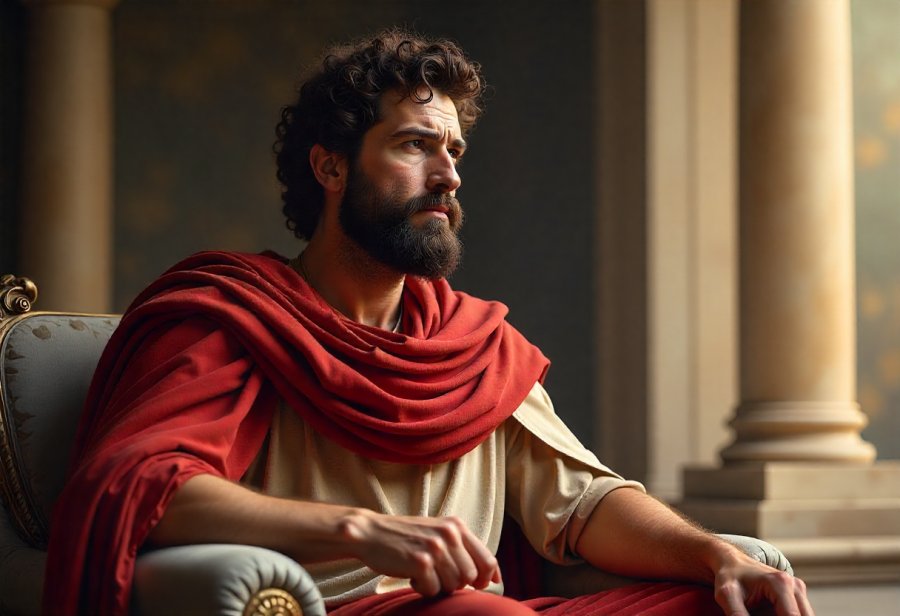
Has Robin Hood’s legendary rebellion roots in actual historical conflicts with King John, or is he merely a mythic embodiment of societal frustrations? For centuries, Robin Hood has symbolized resistance against tyranny, embodying ideals of justice, fairness, and moral virtue amid social unrest. While concrete evidence of his existence remains elusive, the stories reflect tangible social tensions from King John’s reign—heavy taxation, corruption, and political upheaval. Folklore and oral traditions depict him as an outlaw championing the oppressed, resonating with real grievances of medieval England. Yet, his story’s endurance lies in its universal themes—resistance, morality, and hope—transcending historical fact. Could Robin Hood be a composite symbol of collective resistance rather than a single individual? This exploration challenges us to consider whether legends shape history or vice versa, revealing how myth and reality intertwine to reflect enduring human aspirations for justice.
Unraveling the Myth: Robin Hood as a Symbol of Resistance and Justice
The legends of Robin Hood have persisted for centuries, evolving from simple folk tales into a powerful symbol of resistance against injustice. These stories depict Robin as a heroic outlaw who champions the cause of the oppressed, standing up to corrupt authority and fighting for fairness. Over time, folklore, ballads, and literary embellishments transformed Robin from a likely ordinary figure into an archetype embodying loyalty, morality, and rebellion. His enduring appeal lies in the reflection of societal tensions that resonate across generations—the universal desire for justice in the face of tyranny.
A core element in Robin Hood’s mythos is his opposition to King John of England, whose reign from 1199 to 1216 was marked by heavy taxation, political unrest, and widespread dissatisfaction among his subjects. The stories portray Robin as a rebel fighting against unjust levies, royal greed, and corruption, positioning him as a champion of the common people’s rights. While these narratives seem to link Robin’s rebellion directly with King John’s rule, the question remains whether there is any historical basis for this connection or if it is primarily a product of later storytelling.
Historical records from the medieval period offer limited direct evidence of Robin Hood’s existence. Most references to Robin appear in ballads, chronicles, and legends composed long after the supposed events took place—often romanticized and lacking specific dates or verifiable facts. These sources elevate Robin into a moral hero rather than a documented individual. The stories emphasize his skills, his sense of justice, and his defiance of authority, but they do not provide concrete proof that Robin Hood was a real person. Instead, he emerges as a legendary figure—more a symbol of societal ideals than a verifiable historical figure.
Despite the scant direct evidence, the social and political context of King John’s reign offers indirect clues that the Robin Hood stories may have some roots in reality. King John’s policies—particularly his heavy taxation, arbitrary justice, and the erosion of royal authority—created widespread discontent. The signing of the Magna Carta in 1215 was a response to these grievances, highlighting the broader unrest that simmered beneath the surface. Local disputes over land, taxes, and justice fueled peasant uprisings and resistance movements, which could have inspired or influenced the Robin Hood legends. These stories tap into the collective anxieties about injustice, portraying outlaws as champions of the oppressed.
The legends’ resilience stems from their ability to symbolize universal themes—resistance to tyranny, the moral virtue of fighting injustice, and hope for the powerless to challenge the powerful. Whether Robin Hood was a real individual or an amalgamation of various outlaws, his stories encapsulate a collective longing for fairness and integrity. As these tales were passed down and adapted over centuries, their core themes remained relevant. Robin’s association with Sherwood Forest and his mastery with a bow became enduring symbols of independence and moral righteousness, further cementing his status as a cultural icon.
In sum, the stories of Robin Hood reflect a complex interplay between myth and history. While the documentary record offers little proof of his existence as a specific person, the recurring themes within the legends align with the social tensions of early 13th-century England. Robin Hood’s rebellion can thus be viewed as a cultural reflection of real grievances—taxation, corruption, and social inequality—amplified through storytelling and tradition. Whether rooted in actual conflicts or born from collective imagination, Robin Hood remains a potent symbol of resistance, embodying the universal human aspiration for justice and fairness amid turbulent times.
Legendary Origins of Robin Hood: From Folklore to Cultural Icon
Robin Hood’s origins are deeply embedded in medieval English folklore, where he appears as a legendary outlaw dwelling in the dense woodland of Sherwood Forest. The earliest stories about Robin are transmitted through oral tradition, ballads, and poetic narratives that developed during the 13th and 14th centuries. These tales depict him as an exceptional archer and a champion of justice, fighting against corruption, injustice, and tyranny. Over time, Robin’s character was shaped into a symbol of fairness, loyalty, and rebellion—traits that resonated strongly in a period rife with social inequality and political unrest.
Legendary attributes consistently assigned to Robin Hood emphasize his mastery of archery, his prowess with a sword, and his ability to outsmart authority figures. Many stories portray him as a dispossessed nobleman or a wronged landholder who turns to outlawry after being unjustly dispossessed, though some accounts depict him as a humble yeoman or a commoner. These traits serve to elevate Robin from a mere criminal into a heroic figure—one embodying resistance against tyranny and advocating for the oppressed. His band of loyal followers, composed of outlaws, peasants, and disaffected villagers, reinforce this image of collective defiance against unjust authority.
The earliest Robin Hood stories likely originated among rural communities, where tales of outlaws and rebels served as expressions of dissatisfaction with local rulers and landowners. These narratives gradually coalesced into ballads such as “Robin Hood and the Monk” or “Robin Hood and the Sheriff of Nottingham.” These stories emphasize Robin’s sense of moral righteousness—his refusal to accept corruption, his generosity towards the poor, and his defiance of unjust laws. As the stories spread and became woven into England’s cultural fabric, Robin’s image as a moral and social icon was firmly established. The character’s residence in Sherwood Forest and his legendary skill with a bow became enduring symbols of independence and social resistance.
During the medieval period, England was characterized by social tensions, peasant uprisings, and widespread unrest. Rebellions and disputes over land, taxes, and justice were commonplace, creating a fertile ground for stories of outlaws resisting authority. The signing of the Magna Carta in 1215, a landmark document meant to limit royal overreach, reflected broader dissatisfaction with King John’s rule. These societal upheavals likely influenced the development of Robin Hood legends, which echo themes of resistance and moral righteousness. The stories did not necessarily document specific historical figures but captured the collective desire for justice amid systemic injustice and royal excess.
Robin Hood’s legendary traits—his unparalleled skill with a bow, his residence in Sherwood Forest, and his unwavering moral code—serve as powerful symbols that have endured for centuries. These elements are often romanticized but embody deeper cultural ideals: the aspiration for freedom, the moral virtue of fighting injustice, and the hope that even the powerless can challenge the mighty. The legend’s adaptability allowed it to evolve through generations, maintaining its relevance by reflecting societal ideals of fairness and resistance. Robin Hood’s mythic stature transcends historical fact, representing a universal desire for moral righteousness and social justice amid turbulent times.
In sum, Robin Hood’s origins blend folklore, social commentary, and cultural aspiration. While definitive evidence of his existence as a real individual remains absent, the recurring themes within his stories—they reflect societal tensions, resistance against exploitation, and the moral fight for justice. These narratives, passed down through oral tradition and literary embellishment, reveal a collective longing for fairness and moral integrity. Robin Hood stands as a symbol of resistance, embodying the enduring human aspiration to challenge injustice, even if the details of his life are more legend than fact. His myth persists because it captures the universal values of defiance and moral virtue that continue to resonate across generations.
Tracing the Evidence: Fact or Folklore in Robin Hood’s Historicity
The historical evidence supporting Robin Hood’s existence remains notably sparse and fragmented, complicating efforts to establish him as a verifiable historical figure. Most references to Robin Hood appear in ballads, poetic narratives, and chronicles that were composed long after the events they describe. These sources often blend legend with potential kernels of truth, making it difficult to verify specific details or identify a single individual responsible for the Robin Hood stories. The earliest ballads, such as “Robin Hood and the Monk” or “Robin Hood and the Sheriff of Nottingham,” emerged in the 14th and 15th centuries—well over a century after Robin Hood is traditionally set. These narratives tend to romanticize Robin as a heroic outlaw fighting injustice but lack precise dates or concrete references that could anchor him firmly in history. As a result, Robin Hood’s existence remains more a matter of legend than documented fact.
Turning to the documentary record, the search for concrete references yields few direct mentions from the 12th and early 13th centuries. Legal and administrative documents from this period are remarkably silent on Robin Hood or his activities. This absence does not necessarily prove he did not exist; rather, it underscores the challenge of pinpointing verifiable evidence. Some scholars have pointed to later chronicles, such as the *Gest of Robyn Hode*, which recount Robin’s deeds with poetic flourish but do not provide verifiable dates or specific locations. Archaeological findings associated with Robin Hood’s legend are equally limited. Excavations have uncovered medieval settlement layouts, pottery, and other material culture that could belong to outlaws or resistance groups, but none can be conclusively linked to Robin himself. The lack of identifiable graves, artifacts, or sites leaves his historicity an open question.
Despite this scarcity, certain regional place-names and local traditions offer circumstantial clues. Names of villages and woods in Nottinghamshire and neighboring counties sometimes feature elements associated with outlawry or resistance. These geographic details suggest a social environment where outlaws could have thrived, operating on the fringes of royal control. Such locales, often marked by local stories and customs, could have inspired or supported tales of rebellious figures. These stories, passed down through generations, may reflect real social tensions—discontent with taxation, land disputes, or local injustices—that fostered a culture of resistance. However, these clues remain indirect; they hint at a broader pattern rather than confirm the existence of a specific Robin Hood.
Scholars remain divided on whether Robin Hood was a singular person or a composite figure representing a multitude of outlaws and social bandits. Some argue that Robin Hood could have been inspired by real individuals who challenged authority in their localities, their deeds gradually merging into a legend. Others posit that Robin is primarily a literary and folkloric construct, designed to embody societal ideals of justice and resistance. The incomplete and often contradictory nature of the evidence supports both interpretations. What stands clear is that Robin Hood’s stories mirror societal grievances—resistance against oppressive taxation and corrupt officials—regardless of whether he was a historical person or a mythic archetype.
The legend’s enduring power lies in its ability to encapsulate collective aspirations for fairness and moral virtue. The recurring motifs of outlaws resisting unjust rulers, redistributing wealth, and challenging authority resonate profoundly across centuries. These stories have been reshaped over generations, blending historical echoes with moral allegories. Although direct proof of Robin Hood’s existence is elusive, the themes embedded in his tales reflect real social tensions that persisted throughout medieval England, especially during times of upheaval and royal overreach. The legend functions less as a biography and more as a symbol—an idealized figure representing the moral struggle against injustice.
The lack of tangible, verifiable evidence does not diminish Robin Hood’s significance as a cultural icon. His stories continue to embody the universal desire to oppose tyranny and protect the vulnerable. There is a clear distinction between the legend and history; Robin Hood’s mythic qualities transcend the need for factual confirmation. Instead, his enduring presence in folklore and popular culture underscores his role as a moral archetype. The stories articulate a collective yearning for justice, fairness, and resistance that remains relevant regardless of their historical accuracy. Robin Hood, in this sense, is more a reflection of societal values than a documented figure from the past.
In examining the available evidence, one must accept that Robin Hood’s concrete historical footprint is minimal. No verified artifacts, graves, or official records authenticate his existence as a specific individual. Yet, the stories themselves serve as a testament to the social climate of early 13th-century England—a period rife with unrest, rebellion, and resistance. These narratives, whether rooted in real events or born from collective imagination, encapsulate the zeitgeist of a society grappling with inequality, corruption, and royal excess. They reveal an enduring truth: that the desire for justice often takes shape in stories of outlaws, rebels, and champions of the oppressed.
In conclusion, the evidence for Robin Hood’s historicity remains inconclusive. The scarcity of direct documentation and archaeological finds suggests he is more legend than fact. Nonetheless, the recurring themes within his stories—resistance to unjust taxation, opposition to corruption, and moral righteousness—align with the social tensions documented during King John’s reign. The Robin Hood legend reflects a collective response to systemic injustice, amplified through oral tradition and literary embellishments over centuries. It is this symbolic power—embodying ideals of fairness, resistance, and moral virtue—that sustains Robin Hood’s relevance today. His story continues to inspire, not as a precise historical figure, but as an enduring emblem of societal aspiration for justice.
Deciphering the Roots: Social Unrest and the Birth of Robin Hood’s Legend
The analysis of Robin Hood’s rebellion requires a nuanced synthesis of the limited historical records, the rich tapestry of folkloric tradition, and scholarly interpretations that situate the legend within its broader social and political landscape. The scarcity of concrete evidence makes it clear that Robin Hood, as a distinct individual, remains difficult to verify; yet, recurring themes and motifs within the stories align closely with the tensions that characterized early 13th-century England. These tales did not develop in isolation but are deeply rooted in the social upheavals caused by royal policies—particularly those under King John, marked by heavy taxation, arbitrary justice, and widespread discontent. Such conditions created fertile ground for stories of resistance, rebellion, and outlaws fighting against injustice, which later coalesced into the Robin Hood mythos.
The ballads and poetic narratives that grew around Robin Hood often romanticize his deeds, emphasizing his moral righteousness and defiance of corrupt officials. These sources lack precise dates or verifiable details but serve as cultural reflections of societal frustrations. Robin Hood functions more as a symbolic figure than a historical one—embodying collective aspirations for justice, fairness, and resistance against systemic oppression. The recurring motifs of redistributing wealth, challenging authority, and refusing to accept corrupt laws resonate with the social tensions of the period, making him a moral archetype rather than a biographical figure. This symbolic power explains why Robin Hood’s stories persisted and evolved over centuries, remaining relevant across generations.
King John’s policies created the social landscape that these stories mirror. His heavy-handed taxation, the erosion of royal authority, and local disputes over land and justice sparked widespread unrest. The signing of the Magna Carta in 1215 marked a significant moment, reflecting broader dissatisfaction with royal overreach. Stories of outlaws resisting unjust authority echo these real grievances, even if specific incidents are not documented. Robin Hood’s resistance is thus best understood as a cultural reflection of the collective frustration of a society eager for justice, which found expression through legend. His narrative encapsulates the desire for fairness amid systemic injustice, rendering him a symbol that transcends individual biography.
Scholars who interpret Robin Hood as a reflection of authentic social unrest point to the recurring motifs of resistance in regional stories and folk traditions. Outlaws and rebels fighting against landlords, tax collectors, or corrupt officials appeared across England, often embodying the frustrations of marginalized communities. Robin Hood’s depiction as a noble outlaw fighting for the common folk aligns with these broader narratives. His residence in Sherwood Forest and his mastery with a bow have become potent symbols of refuge and resistance—spaces where justice could be pursued beyond the reach of corrupt authority. These symbols reinforce the idea that Robin Hood’s legend embodies an ideal of moral virtue and social defiance, rooted in real societal tensions.
From a folkloric perspective, Robin Hood’s character was shaped over centuries to embody societal ideals. Oral traditions among rural communities depicted him as an advocate for the oppressed—a cunning hero who defied unjust laws and stood up for moral virtue. As stories were passed down and elaborated, Robin evolved into an archetype representing resistance, loyalty, and justice. Literary works and cultural influences further magnified his mythic stature, transforming him into a national symbol of social fairness. His association with Sherwood Forest and his legendary skill with a bow became enduring emblems of independence and moral righteousness, symbols that reinforced his mythic appeal. This cultural shaping ensured his stories remained adaptable and relevant through changing societal values.
The resilience of Robin Hood’s legend lies in its capacity to adapt and resonate across different eras. As societal ideas about liberty and justice shifted, so did the stories surrounding him. They absorbed themes of freedom, resistance, and moral virtue, ensuring their continued relevance. Robin Hood’s mythic power does not rest solely on factual accuracy but on its ability to reflect universal ideals—fighting against injustice, defending the vulnerable, and embodying moral integrity. These themes are flexible enough to transcend specific historical contexts, allowing the legend to serve as a moral mirror that responds to societal needs. This adaptability is key to understanding why Robin Hood remains an enduring cultural icon.
Disentangling the myth from its potential roots in real conflicts involves an interdisciplinary approach. Combining archaeological findings, legal history, folkloric analysis, and cultural studies provides a layered understanding of how Robin Hood’s story was born, how it evolved, and why it continues to inspire. Evidence from the period suggests that social tensions, resistance movements, and local disputes created fertile ground for such legends. While no direct proof links Robin Hood to specific events or figures, the recurring themes suggest a collective memory of resistance that helped shape his myth. Recognizing Robin Hood as a cultural artifact rooted in social unrest allows a deeper appreciation of his role—not as a precise historical figure, but as an enduring symbol of moral resistance and social justice.
In conclusion, the evidence supporting Robin Hood’s historicity remains inconclusive; the lack of tangible artifacts or documented events strongly suggests he is more a legend than a verifiable individual. Nonetheless, the recurring themes within his stories—resistance to unjust taxation, opposition to corruption, and the moral fight for justice—reflect genuine social tensions of King John’s reign. These narratives are less about factual recounting and more about embodying collective aspirations for fairness, moral virtue, and resistance. Robin Hood’s legend endures because it fulfills a fundamental human desire to challenge injustice and uphold societal morals. His story, whether rooted in fact or myth, continues to serve as a powerful symbol—one that inspires ongoing reflection on justice, virtue, and resistance in turbulent times.
Charting the Path Forward: Interdisciplinary Insights into Robin Hood’s True Nature
The collective insights drawn from the examination of Robin Hood’s legend highlight a nuanced relationship between myth and history. While the scarcity of concrete documentary evidence prevents us from confirming Robin Hood as a distinct historical individual, the recurring themes within his stories—resistance to unjust taxation, opposition to corrupt officials, and the moral pursuit of justice—align closely with the social tensions documented during King John’s reign. These stories appear to encapsulate genuine grievances, even as they have been shaped and amplified through centuries of oral tradition and literary embellishment. The legend functions more as a symbolic reflection of societal unrest than as a precise account of actual conflicts, which explains its enduring relevance across generations.
Future research should seek to deepen our understanding by integrating archaeological investigations with detailed regional histories. Excavating sites associated with medieval outlaw communities or resistance movements could unearth material culture that supports the existence of semi-autonomous groups operating outside royal control. Such findings would help bridge the gap between myth and reality, offering tangible evidence of social environments that inspired Robin Hood stories. Examining land records, land disputes, and local traditions in Nottinghamshire and surrounding counties may reveal patterns of resistance and social cohesion that contributed to the legend’s development. These avenues hold promise for contextualizing Robin Hood within the broader fabric of medieval social upheaval.
Legal and administrative documents from the period, though limited in direct references, can still provide valuable clues. Studying cases of banditry, land disputes, and resistance to taxation might uncover underlying societal tensions that fed into the Robin Hood myth. Comparing these documented conflicts with themes in the stories can clarify whether Robin Hood’s rebellion was rooted in real grievances or remains primarily a cultural construct. This approach emphasizes that Robin Hood’s significance lies not solely in factual authenticity but in his role as a vessel for collective moral and social ideals. As such, his legend embodies a shared longing for justice amid systemic injustice.
Exploring the evolution of Robin Hood’s image over time offers further insights into his symbolic power. His portrayal has continually adapted to reflect changing societal values, absorbing themes of liberty, fairness, and moral resistance. Analyzing how these themes have shifted across different periods reveals how Robin Hood’s story has remained relevant. His mythic qualities transcend specific historical circumstances, allowing him to serve as a moral mirror that resonates with universal human aspirations. This flexibility explains why Robin Hood endures as a cultural icon, embodying ideals that persist regardless of factual accuracy.
Disentangling myth from historical roots demands an interdisciplinary approach. Combining archaeological findings, legal history, folkloric analysis, and cultural studies enables a comprehensive understanding of how Robin Hood’s story was shaped and why it continues to inspire. Recognizing Robin Hood as a cultural artifact rooted in social tensions rather than a single historical figure shifts the focus toward his symbolic role. This perspective underscores that legends like Robin Hood serve a vital function in shaping societal identities and moral values, extending far beyond their factual origins. As scholarship advances, we gain a clearer view of how this enduring symbol reflects ongoing human desires for justice and resistance.
In sum, the evidence for Robin Hood’s direct historicity remains inconclusive. Nonetheless, the themes woven into his stories—resistance to injustice, defiance of authority, and moral virtue—mirror the social realities of early 13th-century England. His legend, whether rooted in actual events or collective imagination, embodies the universal aspiration for fairness and moral integrity amid turbulent times. Robin Hood endures because he represents these ideals, serving as a moral archetype that continues to inspire and resonate. His story affirms that the human spirit seeks justice and righteousness, inspiring ongoing reflection and aspiration beyond the confines of historical fact.