Imagine transforming your organization’s communication infrastructure with customizable telephony solutions that deliver unparalleled flexibility and efficiency. How can innovative devices like Grandstream’s IP phones and cloud-managed systems revolutionize your network deployment—making it simpler, faster, and more secure? As businesses increasingly shift to digital, cloud-based platforms and centralized management tools like GDMS enable remote configuration, real-time updates, and seamless scaling across multiple locations. These advanced devices support personalized workflows, high-definition audio, and integration with CRM systems, elevating customer service and internal collaboration. But with rapid technological evolution, what does the future hold? Emerging AI-driven features, enhanced security protocols, and deeper digital integrations promise smarter, more resilient communication ecosystems. Forward-thinking organizations that leverage these innovations now will not only stay ahead of the curve but also unlock new levels of operational agility, responsiveness, and growth—transforming their communication systems into strategic assets for the digital age.
Enhance Your Business Communications with FiberConX’s VoIP Solutions in Canada
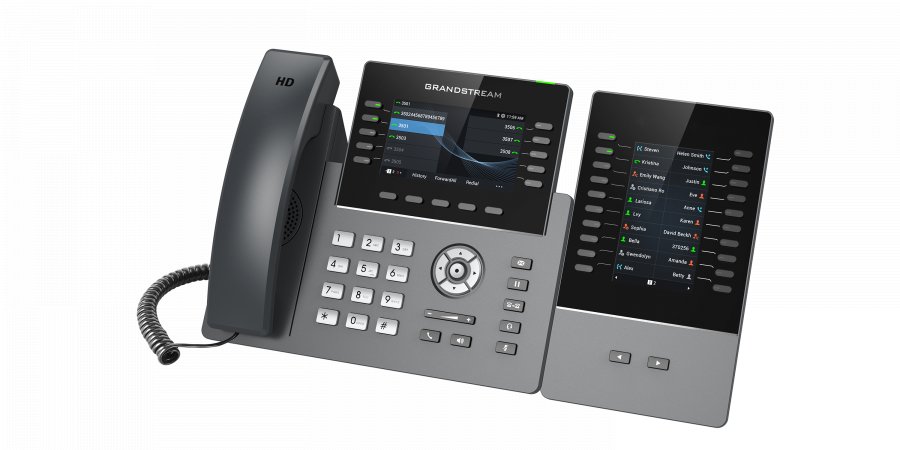
Discover the power of reliable VoIP & IP business phone services with FiberConX Communications in Canada. Our solutions include advanced features like voicemail, IVR, ring groups, and voicemail-to-mail, ensuring seamless communication for your team. For businesses seeking robust hardware options, the Grandstream GRP2615 is a perfect choice, offering excellent voice quality and easy management. Trust FiberConX to improve your connectivity and customer interactions. Reach out today at [email protected] or call 1.800.961.6856 to learn more about our tailored VoIP solutions designed for Canadian businesses.
Transforming Business Communication with Customizable Telephony Solutions
Customizable telephony solutions are revolutionizing how businesses communicate, making it easier to tailor systems to specific organizational needs. Unlike traditional landlines, modern digital platforms offer flexibility, allowing companies to adapt quickly as they grow or shift priorities. This customization supports features like call routing, device management, and integration with other digital tools, creating a unified communication environment that boosts productivity and enhances customer service.
As organizations increasingly rely on cloud technology, managing these systems has become more straightforward. Cloud-based platforms enable remote configuration, automatic updates, and centralized troubleshooting, reducing the need for on-site support. With tools like Grandstream’s Device Management System (GDMS), businesses can oversee large fleets of devices from a single dashboard, streamlining deployment and ongoing maintenance. This ease of management makes scaling up or down seamless, giving organizations the agility to respond to evolving demands.
The range of devices supporting these solutions further amplifies their impact. From high-quality IP phones with customizable interfaces to gateways connecting legacy systems with digital networks, the hardware is designed for simplicity and scalability. These devices support various features—like programmable keys, high-definition audio, and multiple SIP accounts—that can be personalized to match each user’s role. This level of customization not only improves efficiency but also ensures a better user experience across teams.
Integrating telephony with other digital workflows transforms business operations. Modern systems connect seamlessly with Customer Relationship Management (CRM) platforms, auto-attendants, and call routing features, enabling a smoother customer experience and reducing wait times. These integrations allow support teams to handle inquiries more effectively and empower employees to focus on higher-value tasks, making communication more responsive and strategic.
Overall, customizable telephony solutions represent a significant step forward in business communication. They deliver the flexibility, control, and scalability necessary to thrive in today’s fast-changing digital landscape. By embracing these innovations, organizations can build resilient, efficient networks that support both current operations and future growth—turning their communication infrastructure into a strategic advantage.
Core Principles and Components of Modern Telephony Technology
Contemporary telephony systems are built on core principles that prioritize flexibility, reliability, and scalability. At the heart of these systems is IP telephony, which transmits voice over data networks using Internet Protocol (IP). This transition from traditional analog lines to digital, internet-based solutions offers significant benefits, including cost savings, easier management, and seamless integration with other digital tools like customer relationship management (CRM) platforms.
Key components of modern telephony include IP phones, VoIP gateways, and cloud-based platforms that handle call routing, feature management, and user settings. IP phones serve as user-friendly interfaces, supporting high-definition audio and customizable keys for quick access to essential functions. VoIP gateways connect traditional phone lines with digital networks, enabling a smooth transition from legacy systems to modern infrastructure. Cloud platforms or servers coordinate call management, providing centralized control that simplifies deployment and maintenance across multiple locations.
Understanding how voice signals flow within these systems is crucial. Voice is converted into data packets and transmitted over the internet, allowing calls to travel more flexibly and cost-effectively than through traditional copper lines. This internet-based approach means organizations can scale their systems easily—adding users, features, or increasing call volume—without extensive hardware overhauls. Features like call forwarding, conferencing, and mobility are standard, empowering teams to stay connected regardless of their location.
The shift from bulky on-premises hardware to cloud-managed solutions marks a major evolution in telephony technology. Early systems relied heavily on physical PBX servers and analog phones, which limited flexibility and demanded extensive on-site support. Digital IP telephony introduced internet-based voice transmission, reducing infrastructure costs and increasing adaptability. Today, cloud management platforms like GDMS enable remote device provisioning, firmware updates, and troubleshooting, making system expansion and maintenance faster and less disruptive.
Deploying these systems now involves strategic choices based on organizational size and growth plans. Cloud-based deployment and centralized management simplify setup and scaling, allowing quick onboarding of new devices and features. Whether in a single office or multiple sites, tools like GDMS streamline device configuration and health monitoring. These innovations support not just growth but also ongoing adaptation, ensuring communication remains resilient, efficient, and aligned with evolving organizational needs.
Revolutionizing Organizational Workflows Through Telephony Innovation
Innovative telephony solutions are redefining how organizations operate by making communication more seamless and adaptable. Modern systems enable teams to connect effortlessly across different locations, whether working remotely or in the office. This connectivity not only fosters better collaboration but also accelerates decision-making, which is crucial in today’s fast-paced business world. Features like cloud management, personalized user interfaces, and device customization streamline workflows and reduce administrative burdens, allowing staff to focus on their core tasks.
Cloud management platforms are central to this transformation. They simplify setup, enable remote troubleshooting, and allow real-time adjustments, minimizing downtime and ensuring reliable communication channels. When integrated with high-quality devices such as Grandstream’s IP phones, these platforms facilitate quick provisioning and updates across large fleets. This flexibility means organizations can deploy new features or expand their networks without delays or disruptions, giving them a competitive edge.
The latest telephony devices enhance this efficiency further. IP phones with high-definition audio, customizable interfaces, and multiple SIP accounts support personalized workflows. Their remote configuration and monitoring capabilities via cloud platforms cut down on on-site support needs, saving time and resources. Consistent updates and troubleshooting ensure systems remain reliable and secure, providing a smooth user experience across different teams and locations.
Beyond hardware, the integration of telephony with other digital tools is transforming customer interactions and internal workflows. Connecting phones with CRM platforms, auto-attendants, and intelligent call routing creates a unified communication environment. This integration enables personalized customer service, reduces wait times, and allows support teams to handle inquiries more effectively. Employees can focus on high-value activities, making the entire operation more responsive and efficient.
These innovations are about more than just voice calls—they’re about building a smarter, more agile communication infrastructure. Leveraging cloud-based management, scalable devices, and seamless integrations helps organizations respond swiftly to market changes and support remote work effortlessly. This approach creates a resilient network capable of evolving with organizational needs, supporting growth and agility in a competitive landscape.
As technology advances, future telephony solutions will become even smarter, more secure, and more interconnected. AI-driven call management, enhanced security protocols, and deeper platform integrations will further streamline workflows and improve service quality. Companies that adopt these innovations now position themselves at the forefront of digital communication, ready to meet future challenges with confidence and efficiency.
Grandstream’s Comprehensive Range of Telephony Devices
Grandstream’s range of telephony devices is built to meet the diverse needs of modern businesses, from small teams to large enterprises. Their flagship series, the GRP series IP phones, exemplify durability and high performance, offering features like high-definition audio, customizable keys, and robust security. These phones are ideal for demanding environments such as call centers, hospitality, and corporate offices, providing a scalable solution that simplifies large-scale deployment through centralized management. This makes them a practical choice for organizations seeking to streamline their communication infrastructure efficiently.
Beyond the GRP series, Grandstream provides a variety of devices tailored to different operational requirements. For organizations still reliant on traditional analog lines, their analog gateways connect legacy systems seamlessly to modern IP networks, ensuring a smooth transition without sacrificing existing investments. Their video conferencing solutions and Wi-Fi-enabled phones support mobility, enabling remote and mobile teams to stay connected with high-quality communication tools designed for flexibility and ease of use.
A key advantage of Grandstream’s devices is their compatibility with cloud management platforms like GDMS. This centralized system simplifies device provisioning, configuration, and maintenance, regardless of deployment size. IT teams can remotely monitor device health, push firmware updates, and troubleshoot issues from a single dashboard, reducing on-site support and minimizing downtime. This approach not only saves resources but also guarantees consistent security and performance across all devices.
Personalization is another cornerstone of Grandstream’s offerings. Many models feature programmable keys, allowing users to assign frequently dialed contacts or specific functions for quick access. This customization accelerates workflows, whether for sales teams, support agents, or administrative staff. The devices support multiple SIP accounts and integrate smoothly with various VoIP providers and PBX systems, offering the flexibility to adapt to different communication setups.
Security remains a top priority across the product line. Grandstream’s IP phones incorporate advanced encryption, secure boot processes, and firmware integrity checks, safeguarding sensitive call data and preventing unauthorized access. This focus on security enables organizations to deploy these devices confidently, even in environments handling confidential or regulated information.
Deploying Grandstream’s solutions is straightforward, especially with the support of cloud management tools. Whether deploying a few phones or managing thousands across multiple locations, the setup process is quick and hassle-free. Their devices’ durability, combined with rich feature sets and easy management, helps organizations build reliable, scalable, and personalized communication networks that grow with their business.
By offering such a broad suite of devices, Grandstream empowers organizations to create tailored communication systems that are both robust and adaptable. Their focus on scalability, security, and simplicity ensures that businesses can confidently expand and evolve their networks without sacrificing quality or control. This versatility makes Grandstream a trusted partner for companies aiming to upgrade their digital communication infrastructure today and for the future.

Future Outlook: Evolving Trends and Innovations in Telephony Solutions
As we look to the future, the importance of customizable telephony solutions in shaping business communication becomes even clearer. The shift toward cloud management, device flexibility, and intelligent features will continue to accelerate, empowering organizations to adapt swiftly to changing market demands. Real-time updates, remote configuration, and enhanced security protocols will become standard, ensuring systems are both agile and resilient in a digital-first environment.
Emerging technologies like AI-driven call management and deeper digital integrations promise to make communication more intuitive and efficient. These advancements will enable personalized customer experiences, automate routine interactions, and extract valuable insights from communication data. As a result, businesses will be better equipped to deliver seamless service, make smarter decisions, and stay ahead of competitors in an increasingly connected world.
Security will remain a critical focus as telephony systems become more interconnected. Future solutions will prioritize encryption, secure boot processes, and continuous monitoring to protect sensitive information from threats. This emphasis on security will be vital, particularly for sectors handling confidential or regulated data, ensuring that growth does not compromise safety or trust.
The integration of telephony with broader digital workflows will deepen, creating more cohesive and streamlined operations. Advanced call routing, analytics, and automation will help organizations optimize customer interactions and internal processes alike. This convergence will foster a more responsive, data-driven environment where decisions are faster and more informed, ultimately boosting overall efficiency.
Choosing the right partner will be essential to navigating these evolving trends. Companies like Grandstream, with their comprehensive device range and cloud management platforms, are well-positioned to support future growth. Their focus on security, scalability, and ease of deployment ensures organizations can confidently build communication networks that evolve seamlessly alongside their ambitions.
Embracing these innovations now allows businesses to future-proof their communication infrastructure. Investing in adaptable, secure, and intelligent solutions will enable organizations to respond quickly to market shifts, support remote work, and enhance customer engagement. Building on a flexible foundation turns technology into a strategic advantage, preparing companies for whatever lies ahead.
The next wave of telephony technology promises to be smarter, more secure, and more integrated than ever before. By harnessing these developments, organizations can unlock new levels of operational efficiency, customer satisfaction, and innovation. Those who act now will position themselves at the forefront of digital transformation, ensuring their networks remain resilient and competitive in an increasingly connected world.