In an era where efficient communication can make or break business success, customizable telephony solutions emerge as the ultimate game-changer. Grandstream’s innovative devices, especially their scalable GRP series IP phones, promise seamless integration, security, and ease of deployment across diverse operational environments. But how can such adaptable technology truly transform your network’s efficiency and growth potential? This preview unveils the power of cloud-managed, SIP-compatible systems that cater to both small startups and sprawling enterprises. As organizations face rapid digital transformation, harnessing these advanced tools could mean the difference between stagnation and thriving in today’s competitive landscape. With features like remote configuration, automated updates, and sophisticated call management, Grandstream’s solutions are designed to future-proof your communication infrastructure. The question remains: are you ready to unlock smarter, more resilient, and tailored communication networks that propel your business forward?
Elevate Your Business Communications with FiberConX’s Advanced VoIP Solutions
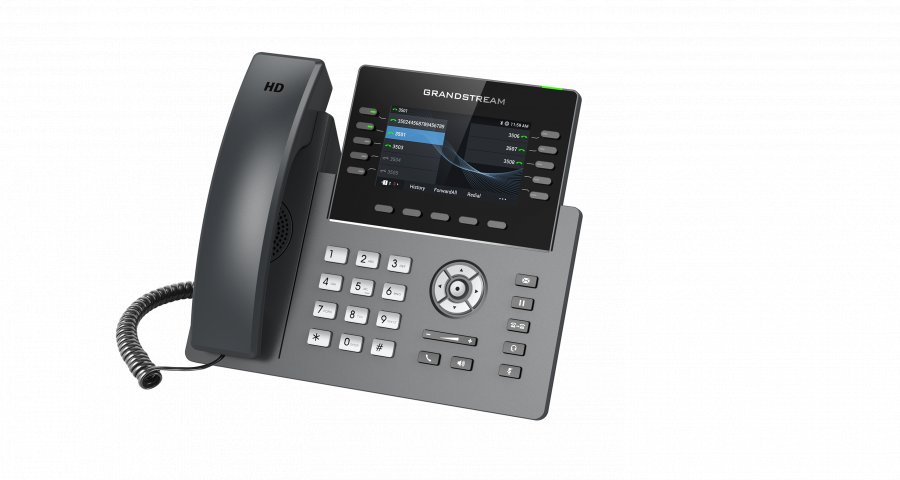
Discover the power of reliable and feature-rich VoIP & IP business phone services with FiberConX Communications in Canada. Our solutions include advanced features like voicemail, IVR, Ring Groups, and voicemail-to-mail, ensuring seamless communication for your team. Whether you’re looking to enhance customer interactions or streamline internal calls, FiberConX offers tailored solutions to meet your needs. For more information, contact us at [email protected] or call 1.800.961.6856. Explore our offerings by visiting FiberConX and learn how our innovative services, such as GRP2614, can transform your business communications today.
Harnessing the Power of Custom Telephony for Business Success
In today’s busy business landscape, having a communication system tailored to your company’s specific needs isn’t just a convenience—it’s a key driver of success. Off-the-shelf solutions can seem tempting for their quick setup, but they often lack the flexibility to support your unique workflows, industry demands, or future growth plans. Customizable telephony solutions allow you to design a communication network that fits perfectly with your operations, boosting efficiency and reducing frustration. When every call, message, or notification integrates smoothly into your existing processes, your team can stay connected and productive without unnecessary hurdles.
Every organization operates differently, which makes a one-size-fits-all approach less effective. Small startups might prefer simple, cost-effective setups that keep everyone in the loop with minimal fuss. Larger enterprises, on the other hand, need more advanced features such as call routing, CRM integration, and remote access for distributed teams. Custom systems give you the flexibility to create a communication infrastructure that aligns precisely with your operational needs, whether that’s streamlining internal collaboration or delivering a consistent customer experience. Choosing the right devices and deployment strategies ensures your system isn’t just effective but also scalable as your business grows.
As telephony technology advances rapidly, the importance of customization grows even more. Modern solutions go beyond basic calling—they create adaptable environments that respond to your specific demands. Cloud-based platforms enable remote management and quick updates, making it easier to keep your system current and secure. Features like personalized call routing, programmable keys, and multi-device support help your team work more efficiently—whether in the office, working remotely, or on the go. Building your communication setup around your needs transforms it into a powerful tool that supports daily operations and long-term goals.
One of the standout benefits of tailored communication systems is scalability. As your business expands, your telephony needs will evolve. Off-the-shelf solutions can become limiting or require costly upgrades, but custom systems grow seamlessly. Adding new devices, modifying call flows, or integrating additional tools can all be done easily, ensuring your communication network remains reliable and flexible. This adaptability future-proofs your investment, allowing you to handle growth smoothly without disruption. It’s about creating a resilient system that evolves with your business.
Technology has made personalized telephony more accessible and manageable than ever before. Cloud management platforms allow you to configure, monitor, and troubleshoot devices remotely—saving time and reducing errors. Automated provisioning enables quick deployment of new phones across multiple locations, often with minimal manual setup. These tools simplify ongoing maintenance, freeing your team to focus on core activities. When your communication system is built to your specifications and managed efficiently, it becomes a strategic asset that enhances operational efficiency and teamwork.
Investing in a customized telephony solution isn’t just about upgrading hardware; it’s about establishing a foundation that elevates your entire organization. When your communication system aligns with your workflows, it improves operational efficiency and fosters better collaboration. Clear, reliable channels keep everyone on the same page—whether working remotely or onsite. With the right tools in place, your team can handle calls more effectively, respond faster to customer inquiries, and deliver a service experience that builds loyalty and trust.
Choosing a tailored telephony system sets the stage for smarter, more responsive business operations. It’s a move toward greater agility, resilience, and growth in today’s digital economy. By focusing on solutions that fit your specific needs, you’re not just upgrading technology—you’re transforming how your organization communicates and competes. This approach enables you to adapt quickly to market changes, support your team’s productivity, and deliver a higher level of service, all while laying the groundwork for future success.
Fundamental Technologies Powering Modern Telephony
Modern telephony systems have undergone a significant transformation from traditional landlines to digital, internet-based solutions that offer unmatched flexibility and scalability. At the core of this shift is Voice over Internet Protocol (VoIP), which enables voice calls to travel over the internet rather than relying solely on dedicated phone lines. This not only cuts costs but also opens the door to integrating voice with a wide range of digital tools, creating a more connected and responsive communication environment.
SIP, or Session Initiation Protocol, acts as the traffic controller for these advanced systems. It manages how calls are set up, maintained, and terminated across various devices and networks. Think of SIP as the organizer ensuring that IP phones, softphones, and mobile apps can connect reliably, regardless of their location. This protocol supports a host of features—from call forwarding and conferencing to voicemail-to-email—making communication more streamlined and unified across platforms.
The rise of cloud-based management platforms has revolutionized how organizations deploy and maintain their telephony systems. Cloud management allows administrators to configure, monitor, and troubleshoot devices remotely through simple web interfaces. This centralized control reduces the need for on-site IT support and accelerates deployment, especially when scaling operations across multiple locations. Automated updates and real-time diagnostics keep systems secure and operational, minimizing downtime and ensuring consistent performance.
Hardware advancements complement these digital shifts, with devices like Grandstream’s IP phones offering high-quality audio, intuitive interfaces, and robust security features. These phones support multiple lines, programmable keys, and HD voice quality, catering to various roles within an organization—from receptionists to executives. Their compatibility with SIP standards ensures seamless integration with most VoIP platforms, providing organizations with the flexibility to choose their service providers without compatibility concerns.
The increasing prevalence of remote and hybrid work models has further pushed telephony systems toward greater integration and adaptability. Staff can make and receive calls from their desks, smartphones, or tablets within a unified ecosystem. This interconnected setup guarantees that employees stay connected and responsive regardless of their location, supporting modern workflows and ensuring that internal and customer communications remain uninterrupted.
Security continues to be a top priority as telephony systems become more interconnected. Modern devices incorporate encryption, secure boot processes, and regular software updates to protect voice data against cyber threats. Ensuring these safety measures are in place helps organizations maintain trust, safeguard sensitive information, and comply with industry standards. A secure communication environment is essential for building confidence with customers and partners alike, especially as cloud and remote configurations become more common.
Innovations Reshaping Enterprise Communication
Today’s enterprise telephony landscape is changing at a rapid pace, driven by technologies that reshape how organizations communicate and operate. Cloud-based systems have become the new standard, enabling businesses to manage their networks remotely with ease. This flexibility allows for quick scaling, effortless feature updates, and seamless integration of new tools without the need for extensive hardware overhauls. As a result, companies can adapt faster to market demands and internal growth, maintaining a competitive edge in a digital-first world.
Artificial intelligence is increasingly embedded into communication platforms, transforming customer interactions and internal workflows. Features like intelligent call routing, virtual assistants, and detailed analytics help organizations serve their customers more efficiently. These tools automatically direct calls to the right team members, handle routine inquiries, and provide insights that improve service quality. By automating repetitive tasks and personalizing responses, AI-driven solutions free up staff to focus on more complex and value-added activities.
Device management platforms are a cornerstone of this evolution, offering centralized control over an organization’s entire telephony estate. Cloud management solutions simplify deployment, configuration, and troubleshooting across multiple locations. Administrators can remotely update firmware, monitor device health, and troubleshoot issues in real time, reducing downtime and support costs. This centralized approach ensures consistency and security, making it easier to maintain a reliable communication infrastructure as the organization grows.
The variety of modern telephony devices reflects the shift toward smarter, more adaptable systems. High-quality IP phones with programmable keys, HD audio, and multi-line handling cater to diverse roles—from receptionists to executives. Softphones and mobile apps extend communication beyond the desk, enabling staff to stay connected from anywhere. This interconnected ecosystem supports a hybrid work environment, ensuring that internal collaboration and customer engagement remain uninterrupted regardless of location.
Industry-specific innovations continue to influence telephony adoption. Healthcare providers prioritize secure, HIPAA-compliant systems that facilitate quick access to patient information. Retailers rely on multi-line phones integrated with CRM systems to handle high call volumes efficiently. Hospitality businesses leverage features like direct dialing and conferencing to enhance guest experiences. Customizing telephony features to meet these unique operational needs ensures that communication tools directly support business goals and deliver measurable value.
Emerging technologies are making networks more scalable and future-proof. Cloud integration allows organizations to add devices, features, and users rapidly, avoiding costly hardware upgrades. Smarter call routing, predictive analytics, and AI-powered tools help anticipate customer needs and streamline service delivery. These innovations create a flexible environment that adapts to evolving market conditions and organizational expansion while maintaining high levels of security and reliability.
Security remains a critical consideration as systems become more interconnected. Modern telephony solutions incorporate advanced encryption, secure boot processes, and regular software updates to safeguard voice data against cyber threats. Protecting sensitive communications is vital for maintaining trust and complying with industry standards. A secure, resilient communication environment ensures that organizations can confidently leverage new technologies without risking data breaches or service disruptions.
Overall, these trends are shaping a new era of enterprise communication—one that is smarter, more adaptable, and inherently more resilient. The integration of AI, cloud management, and secure hardware creates a comprehensive telephony ecosystem capable of supporting today’s dynamic business landscape. Organizations that embrace these innovations position themselves to deliver better customer service, optimize internal workflows, and stay competitive in an increasingly connected world. Moving forward, the ongoing evolution of telephony will continue to unlock new opportunities for growth, efficiency, and innovation.

Grandstream Devices: Unlocking Scalability and Security
Grandstream’s telephony devices are designed to meet the diverse needs of modern businesses, combining advanced features with ease of deployment. Their flagship IP phones, especially the GRP series, are built for large-scale deployment, offering high-definition audio, intuitive interfaces, and robust security. These phones support programmable keys, multiple lines, and HD voice quality, making them suitable for a range of roles—from reception staff to executives. Their compatibility with standard SIP protocols ensures seamless integration with most VoIP platforms, giving organizations the flexibility to choose their preferred service providers without compatibility concerns.
One of the key strengths of Grandstream’s devices is their cloud management integration through platforms like GDMS. This centralized system simplifies provisioning, monitoring, and maintenance across hundreds or even thousands of phones, regardless of location. With remote configuration and firmware updates, organizations can significantly reduce onsite support needs, streamline deployment, and maintain consistent system performance. This ease of management translates into quicker setups and less downtime, keeping communication lines open and reliable.
Grandstream’s hardware also excels in security and reliability. Devices incorporate multiple layers of encryption, secure boot processes, and ongoing software updates to protect voice data from cyber threats. As remote and cloud-based configurations become more prevalent, these security measures are vital for safeguarding sensitive information and maintaining trust. The durability and high-quality audio performance of their IP phones ensure clear, uninterrupted conversations that enhance both customer interactions and internal collaboration.
Deployment flexibility is another advantage. Supporting Power over Ethernet (PoE), these phones reduce wiring complexity and enable easy placement across various environments. Their support for multi-line handling and programmable keys allows for efficient call management, even during high-volume periods. Whether in a busy call center, a corporate office, or a remote workspace, Grandstream’s devices adapt effortlessly to operational demands, making them a reliable choice for growing businesses.
For organizations aiming to scale, Grandstream’s solutions are inherently future-proof. The compatibility with cloud management platforms and SIP standards means adding new devices or features can be done swiftly without hardware overhauls. This scalability ensures that as your business expands or your communication needs evolve, your telephony infrastructure remains resilient and adaptable. The result is a cohesive, secure, and efficient communication network that supports long-term growth.
In essence, choosing Grandstream’s telephony devices means investing in a secure, scalable, and easy-to-manage solution tailored for today’s dynamic business environment. Their combination of advanced features, seamless cloud integration, and deployment flexibility makes them a trusted partner in optimizing organizational communication. With these devices, companies can enhance internal collaboration, improve customer engagement, and future-proof their telephony infrastructure—all within a single, reliable platform.