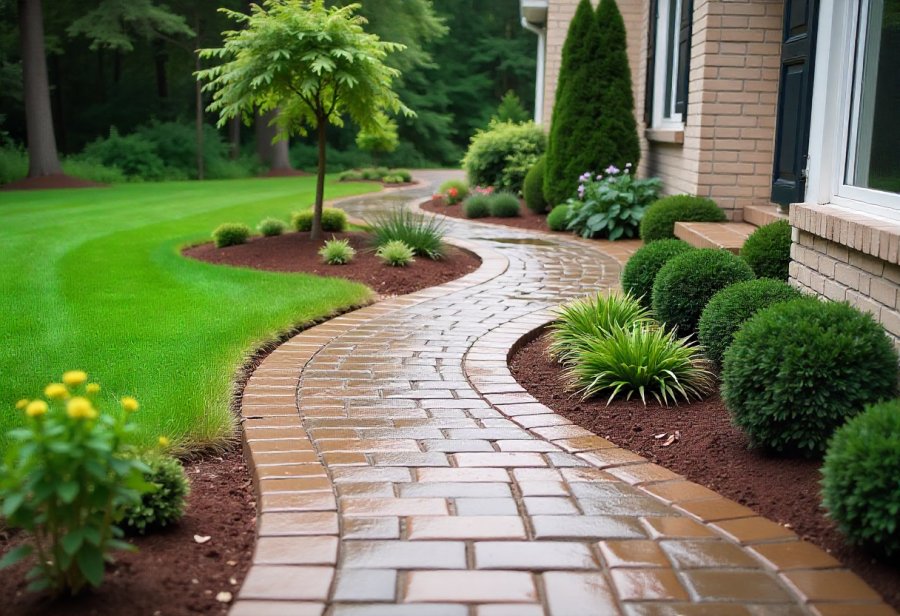
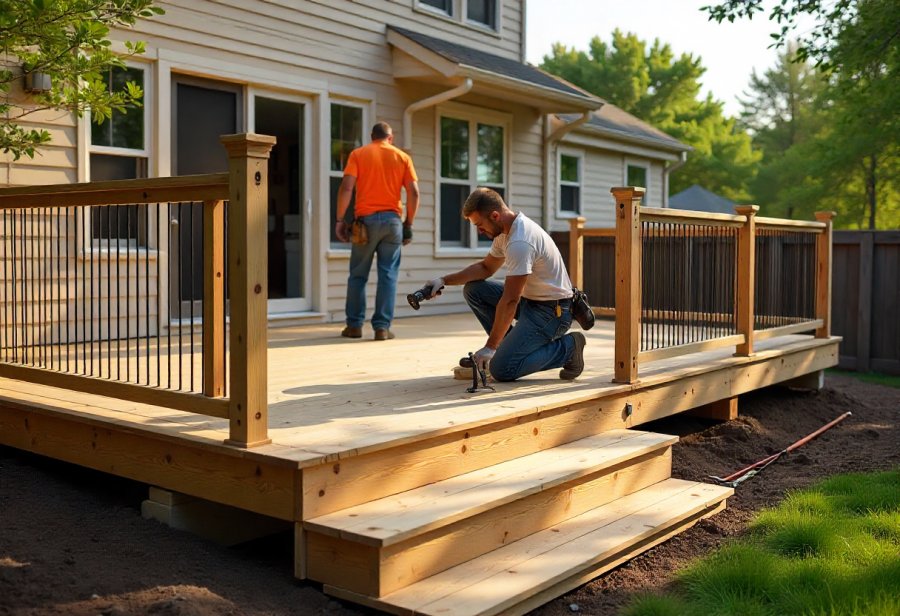
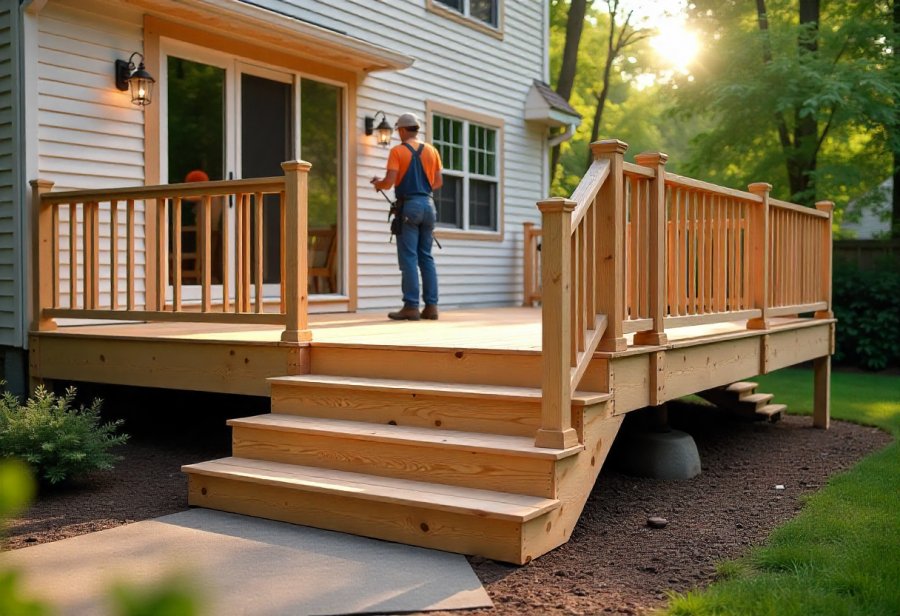
Imagine transforming your Toronto backyard into a stunning, sustainable retreat that perfectly balances beauty, environmental responsibility, and personal satisfaction. How can thoughtful design and eco-friendly practices turn limited urban spaces into lush, functional havens? This guide explores how innovative landscape principles—like native plants, permeable surfaces, and water management—create resilient, low-maintenance outdoor environments tailored to Toronto’s climate. It emphasizes the importance of clear communication, flexibility, and sustainable materials during installation, ensuring each project reflects the homeowner’s vision while supporting ecological health. As technology advances, smart irrigation and solar-powered lighting will further enhance these green sanctuaries. What does the future hold for eco-conscious outdoor living in Toronto? It’s a promising landscape of innovation where personalized, environmentally friendly designs will thrive, helping homeowners develop resilient, beautiful retreats that enrich daily life and foster a deeper connection with nature.
Transform Your Toronto Outdoors with Expert Landscaping
Looking to elevate your outdoor space? Toronto Landscape & Design (TLD) specializes in stunning natural stone features, water gardens, irrigation systems, and retaining walls that bring your vision to life. Our award-winning designers take everything into consideration, ensuring a personalized and high-quality backyard makeover tailored to your Toronto home. Whether you’re aiming for a tranquil water garden or durable retaining walls, TLD is your trusted partner for exceptional landscape design. Contact us today at 1.416.644.0499 or email [email protected] to start transforming your outdoor space into a beautiful oasis.
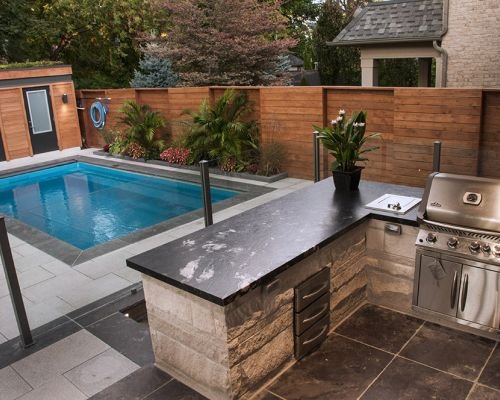
Transforming Toronto Yards into Personal Outdoor Retreats
Transforming Toronto yards into beautiful outdoor retreats isn’t just a trend—it’s a way for homeowners to reclaim their outdoor space amid the city’s busy, urban environment. With limited outdoor areas and increasing demands on time and resources, creating a personal sanctuary that balances beauty and practicality has become more important than ever. A well-designed yard can do more than boost curb appeal; it provides a peaceful escape where families can gather, relax, or enjoy nature without leaving the city limits.
The goal is to craft outdoor spaces that reflect each homeowner’s unique style while embracing eco-friendly practices. From lush, vibrant gardens to sleek, low-maintenance patios, the possibilities are tailored to fit diverse lifestyles and preferences. Thoughtful design not only enhances visual appeal but also promotes sustainability—using native plants, water-efficient systems, and sustainable materials to reduce environmental impact.
Designing these retreats involves understanding what each homeowner envisions. Listening carefully to their needs helps shape personalized plans that seamlessly blend aesthetic elements with functional features. Whether it’s an inviting outdoor dining area, a kids’ play zone, or a quiet corner for reading, the focus is on creating spaces that are both beautiful and usable day in and day out.
Creating a successful yard transformation also requires navigating the challenges of Toronto’s climate and urban density. Selecting drought-tolerant native plants, incorporating permeable surfaces, and managing stormwater efficiently are essential steps that lead to resilient, sustainable landscapes. When executed thoughtfully, these strategies reduce ongoing maintenance and costs, making the yard easier to care for and more environmentally friendly over time.
Ultimately, transforming outdoor spaces in Toronto is about more than aesthetics—it’s about building meaningful connections with the environment. Each project offers an opportunity to develop a personal, eco-conscious retreat that enriches daily life and supports local ecosystems. When design and installation work in harmony, homeowners are left with a backyard that not only adds value to their property but also becomes a source of everyday joy and relaxation.
Foundations of Landscape Design Principles and Elements
Landscape design forms the foundation of transforming a yard into a cohesive, inviting outdoor space that balances beauty with functionality. At its core, understanding key principles like balance and harmony helps create a sense of visual stability and flow. Balance involves distributing elements evenly across the space—whether symmetrically or asymmetrically—to produce a pleasing, inviting environment. Harmony ties all components together, ensuring plants, hardscape features, and lighting work seamlessly rather than competing for attention.
The basic elements of landscape architecture—lines, shapes, textures, and colors—are the tools designers use to craft that harmony. Lines define pathways and edges, guiding the eye and establishing structure. Shapes add visual interest, whether geometric or organic, creating depth and movement. Texture, from plant foliage to gravel or bark, introduces tactile variety, making the landscape more engaging. Color choices set moods and highlight focal points, from vibrant flower beds to subdued foliage tones.
Modern landscape design increasingly emphasizes sustainability, especially in Toronto’s climate. Native plants are a cornerstone because they adapt naturally, requiring less water and maintenance while supporting local ecosystems. Incorporating permeable surfaces, such as gravel or permeable pavers, helps manage stormwater effectively. Rain gardens and other water management techniques not only reduce runoff but also enhance the resilience of outdoor spaces, making them both beautiful and environmentally friendly.
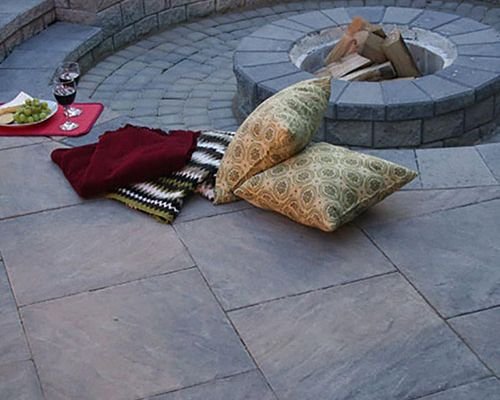
Design principles also guide the creation of functional zones tailored to specific activities. Whether a cozy seating area, a children’s play zone, or an outdoor kitchen, defining these spaces prevents clutter and enhances usability. Focal points like fire pits or sculptures anchor the design, drawing attention and adding personality. Layering plants of varying heights and textures creates depth, giving the yard a lively, dynamic feel rather than a flat, static appearance.
As landscape philosophies evolve, so do the tools and styles used. Traditional European symmetry blends with more naturalistic, eco-conscious approaches, reflecting a growing emphasis on ecological responsibility. Techniques like xeriscaping or edible landscapes blend aesthetics with sustainability, offering practical benefits while enriching visual appeal. These approaches allow outdoor spaces to be both inspiring and resilient in the face of changing environmental conditions.
Understanding these core concepts equips landscape professionals to craft yards that are not only visually stunning but also durable and eco-friendly. Balance, harmony, purpose, and sustainability act as guiding principles, ensuring each element enhances the overall environment. This foundation turns creative visions into practical, lasting landscapes that improve daily life and support ecological health.
Practical Strategies for Effective Yard Makeovers
Transforming a yard into an inviting outdoor retreat relies on applying practical, evidence-based strategies that turn plans into reality. Starting with a thorough site analysis—checking soil quality, drainage, sunlight exposure, and existing features—lays a solid foundation. Knowing these details helps select plants, materials, and structures suited to Toronto’s climate and the homeowner’s lifestyle, ensuring lasting success.
Incorporating eco-friendly practices early on is crucial. Native plants reduce water needs and maintenance, while permeable materials for walkways and patios help manage stormwater naturally. Installing rain gardens and composting areas supports sustainability, lowers runoff, and conserves resources. These choices not only benefit the environment but also cut ongoing upkeep costs, making the yard easier to care for over time.
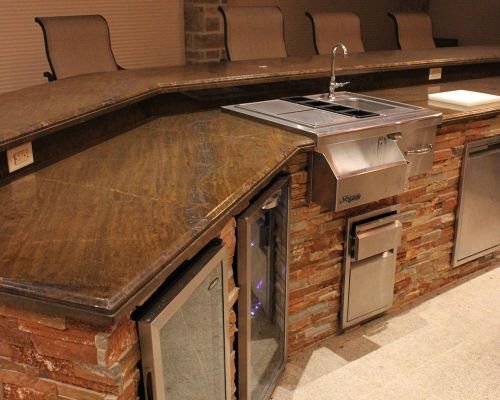
Designing distinct zones—like dining areas, lounging spots, or play zones—maximizes usability without clutter. Using clear boundaries and focal points, such as fire pits or sculptures, helps organize the space visually and functionally. Layering plants of different heights and textures creates depth and visual interest, elevating the yard from simple to dynamic and inviting.
Lighting plays a vital role in extending outdoor enjoyment after sunset. Well-placed fixtures highlight key features, improve safety, and set a warm, welcoming mood. Solar and LED options align with eco-conscious goals, reducing energy use while enhancing aesthetics. When lighting complements the landscape, it transforms the yard into a versatile space suitable for day and night use.
Throughout installation, flexibility and ongoing assessment are essential. Soil conditions, drainage issues, or budget limitations may require quick adjustments—like alternative plant choices or phased construction. Regular communication with clients keeps expectations aligned and allows for seamless modifications, ensuring the final outcome meets their vision and needs.
Merging research-backed techniques with a creative approach results in resilient, beautiful landscapes. Native plantings, stormwater management, and sustainable materials lead to healthier, low-maintenance yards. Projects that embrace these practices often see reduced costs and a smaller ecological footprint, reinforcing the value of thoughtful, environmentally conscious design.
Finally, managing practical challenges such as limited space or budget constraints involves prioritization and innovative thinking. Focus on key features, explore cost-effective eco-friendly options, and consider phased implementation. This strategic approach makes the transformation manageable and ensures the outdoor retreat remains inspiring and functional for years to come.
Bringing Landscape Concepts to Life in Real-World Projects
Applying landscape design in real-world settings means turning detailed plans into outdoor spaces that truly meet client expectations while navigating practical challenges. Clear communication from the outset is key; it helps homeowners understand the process, timeline, and potential obstacles, setting a positive tone for the project. When unexpected issues like budget constraints or site-specific problems emerge, flexibility becomes essential. Sometimes it means selecting alternative materials, adjusting design elements, or phasing construction to stay within limits without sacrificing quality.
Regular check-ins and collaborative decision-making keep clients involved and ensure their needs remain central throughout the process. Looking at local projects provides valuable insight—such as transforming a Toronto backyard with native plants, permeable paving, and a rain garden, which reduced stormwater runoff and maintenance costs. Another example might be turning a small urban lot into a versatile outdoor living space by blending a sleek patio with native grasses and a vegetable garden. These cases prove that thoughtful planning, aligned with sustainability principles, creates durable and attractive retreats.
Limited space in Toronto’s dense neighborhoods demands smart zoning—multi-purpose zones that serve dining, lounging, and gardening without overcrowding the yard. Soil quality or drainage issues often require creative solutions like soil amendments or custom drainage systems. When budgets are tight, prioritizing key features and exploring cost-effective, eco-friendly materials help manage costs effectively. Phasing larger projects allows homeowners to spread out investments, making the transformation more manageable and less overwhelming.
Throughout installation, ongoing assessment and adaptability are vital. Soil conditions or unforeseen site challenges may require quick modifications, like adjusting planting choices or reconfiguring hardscape elements. Maintaining open communication with clients ensures expectations stay aligned, and adjustments happen smoothly. This approach not only preserves the design’s integrity but also builds trust and satisfaction.
Combining research-backed techniques with a creative touch delivers the best results. Native plants, stormwater management, and sustainable materials lead to healthier, low-maintenance landscapes. Projects that incorporate these practices tend to have lower long-term costs and a smaller environmental footprint, reinforcing their value. Staying informed about new methods and materials keeps designs fresh and resilient.
Managing practical hurdles—such as limited space or tight budgets—calls for prioritization and innovation. Focusing on high-impact features, exploring eco-friendly solutions, and adopting phased implementation help keep projects on track. This strategic approach makes the transformation feasible and ensures the outdoor space remains beautiful and functional over time.
The key to success lies in balancing aesthetic appeal with ecological responsibility, all while keeping clients engaged. Clear, consistent communication and a flexible mindset allow landscape professionals to turn visions into reality, even amid challenges. When design and installation work in harmony, the final result becomes a true outdoor retreat—one that satisfies, inspires, and endures.
Embracing Sustainability and Innovation for Future Outdoor Spaces
Looking ahead, the future of transforming Toronto yards into sustainable outdoor retreats is bright and full of innovation. As climate awareness grows, so does the demand for designs that bolster resilience and support ecological health. We’ll see more widespread use of native plants, rain gardens, permeable pavements, and water harvesting systems—tools that make landscapes not only beautiful but also adaptable to shifting weather patterns and resource limitations. These strategies are becoming standard because they help create outdoor spaces that thrive over time while reducing environmental impact.
Advancements in technology will play a key role in this evolution. Smart irrigation systems, solar-powered lighting, and weather sensors will make maintenance more efficient and eco-friendly. These innovations enable homeowners to better manage water and energy use, ensuring their outdoor spaces remain sustainable with minimal effort. As these tools become more accessible, they will support a shift toward outdoor retreats that blend high-tech solutions with eco-conscious practices, elevating everyday outdoor living.
The industry is increasingly driven by a desire for personalized, environmentally responsible landscapes. Clients are eager for solutions that reflect their values—whether that’s edible gardens, green roofs, or vertical gardens—integrating beauty with sustainability. This ongoing dialogue between homeowners and designers fosters continuous innovation, pushing the boundaries of what outdoor spaces can be. It’s not just about aesthetics anymore; it’s about creating ecosystems that contribute positively to the local environment.
While these trends are promising, challenges remain. Balancing the costs of eco-friendly materials and advanced technology with broader accessibility requires education and strategic planning. Dense urban settings in Toronto also demand creative approaches—such as multi-purpose zones and vertical gardens—to maximize limited space without sacrificing sustainability. Overcoming these hurdles depends on a mindset that values innovation, resourcefulness, and long-term thinking.
Resilience will continue to be central in landscape design, especially given Toronto’s unpredictable climate. Native plants, drought-tolerant species, and stormwater management will remain foundational, supporting healthier ecosystems and reducing maintenance. Integrating green infrastructure like living walls and rain harvesting will become commonplace, seamlessly blending into landscape designs that are both functional and inspiring. These elements ensure outdoor retreats can withstand environmental stresses while providing ongoing beauty.
The integration of smart systems and eco-friendly infrastructure will deepen, offering homeowners tools to monitor soil moisture, optimize lighting, and manage water resources more effectively. Green technologies will help landscapes adapt to changing conditions, making outdoor retreats not just visually captivating but also highly sustainable. Building resilient, eco-conscious yards now paves the way for outdoor spaces that nurture both people and the planet for generations to come.