Nylon, a staple in our daily lives—found in clothing, carpets, and industrial products—boasts qualities like strength and affordability. But beneath its convenience lies a troubling environmental story: its production relies heavily on fossil fuels, emitting greenhouse gases, polluting ecosystems, and depleting finite resources. The chemical processes involved generate hazardous waste, and factories often operate in regions with lax environmental controls, exacerbating pollution and health risks. Once in use, nylon continues to impact the planet through microplastic shedding—tiny fibers infiltrate oceans, are ingested by marine life and humans, and carry toxins that threaten ecosystems and human health alike. Is there a way to reconcile our dependence on nylon with sustainable practices? As awareness grows, innovative solutions like recycled and bio-based nylons emerge, urging us to reconsider our material choices and take responsibility for the hidden costs of the conveniences we often take for granted.

Unveiling the Hidden Cost of Nylon’s Convenience
Nylon is everywhere—found in our clothes, carpets, sports gear, and countless industrial products. Its popularity comes from its strength, flexibility, and affordability, making it a preferred material for both manufacturers and consumers alike. Because nylon is durable and resistant to wear, it’s easy to see why it has become a staple in everyday life. But behind this convenience lies a complex story that often goes unnoticed: the environmental impact of its production and use.
At its core, nylon is a synthetic fiber created through a series of chemical processes that transform fossil fuels into versatile materials. The process begins with extracting oil and natural gas, resources that are finite and often sourced from ecologically sensitive areas. These raw materials are then refined into chemical building blocks like hexamethylene diamine and adipic acid, which are essential for producing nylon. The refining and chemical synthesis involved are energy-intensive and release significant greenhouse gases and pollutants, linking nylon production directly to climate change and air quality issues.
The manufacturing process itself involves high-temperature reactions, catalysts, and solvents to polymerize the monomers into long nylon chains. These steps demand vast amounts of energy—most of which comes from burning fossil fuels—further contributing to carbon emissions. Alongside the energy use, the process generates waste byproducts, some hazardous, which require careful disposal to prevent soil and water contamination. When not properly managed, these chemicals can seep into ecosystems, harming wildlife and posing risks to human health.
Nylon’s reliance on non-renewable resources makes its production inherently unsustainable. Extracting and refining oil depletes finite reserves and damages habitats, while the chemical reactions release pollutants into the environment. As global demand for nylon grows, so does the pressure on these limited resources, intensifying environmental degradation. Many factories operate in regions with lax environmental regulations, increasing the likelihood of unchecked pollution—air emissions, wastewater discharges, and chemical leaks—that affect nearby communities and ecosystems.
The environmental footprint of nylon extends well beyond manufacturing. Once in use, nylon fibers shed tiny plastic particles called microplastics during washing and wear. These microfibers are nearly impossible to filter out and end up in waterways and oceans, where they are ingested by marine life. This microplastic pollution disrupts ecosystems, causes injuries to animals, and introduces harmful chemicals into the food chain. Over time, nylon fragments accumulate in sediments and soils, persisting for decades or even centuries, and contributing to the global plastic crisis.
Understanding nylon’s environmental impact encourages us to reconsider the materials we often take for granted. While natural fibers like organic cotton and hemp offer biodegradable alternatives, innovations like recycled nylon and plant-based composites are gaining traction. Moving toward these options can help reduce reliance on fossil fuels, cut microplastic shedding, and lessen landfill waste. Recognizing the true cost behind nylon’s convenience is the first step toward making more sustainable choices that protect our planet for future generations.
The Complex Processes Behind Nylon’s Environmental Toll
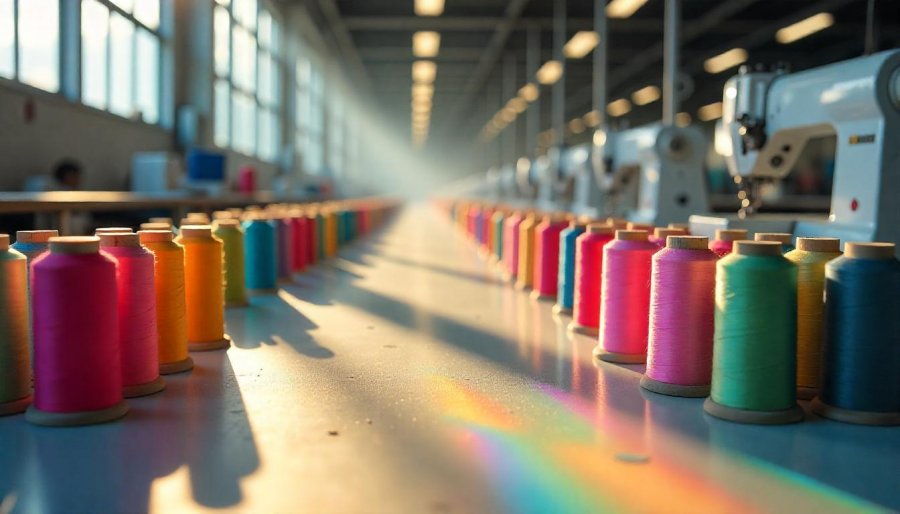
Nylon production begins with the extraction of fossil fuels—primarily oil and natural gas—which serve as the foundational raw materials. These resources are obtained through drilling in regions often delicate or already under environmental stress. The process of refining crude oil into chemical components is highly energy-intensive, releasing significant greenhouse gases and pollutants into the atmosphere. This step directly links nylon manufacturing to climate change and deteriorating air quality, emphasizing its dependence on finite fossil fuels.
Once extracted, these raw materials are transformed into the essential monomers—hexamethylene diamine and adipic acid—that make up nylon. Producing these chemicals involves complex reactions requiring high temperatures, catalysts, and solvents. Each stage consumes large amounts of energy, predominantly derived from burning more fossil fuels, which amplifies the carbon footprint of the entire process. The chemical synthesis is not only energy-heavy but also generates waste byproducts, some of which are hazardous and demand careful management.
The core chemical process, polymerization, links the monomers into long nylon chains. This process takes place in large industrial facilities where heat, catalysts, and solvents are used to facilitate reactions. The conditions are energy-demanding, and the reactions produce waste chemicals that, if not properly treated, can seep into soil and water, contaminating ecosystems and endangering wildlife. Improper disposal or accidental leaks can have lasting environmental repercussions, spreading toxins beyond factory boundaries.
Air pollution is another significant consequence of nylon manufacturing. Volatile organic compounds (VOCs), nitrous oxide, and other gases are released during polymerization and processing. Nitrous oxide, in particular, is a potent greenhouse gas, making nylon production a notable contributor to global warming. Wastewater from factories often contains residual chemicals and solvents, which can contaminate local water supplies if not adequately treated, further harming both ecosystems and nearby communities.
The reliance on non-renewable resources makes nylon’s production inherently unsustainable. Extracting and refining oil and gas depletes finite reserves, destroys habitats, and causes water and soil contamination. As demand for nylon rises globally, these environmental pressures intensify, leading to increased habitat loss, pollution, and resource depletion. Many manufacturing facilities operate in regions with lax environmental regulations, heightening the risk of unchecked emissions and discharges that threaten local health and ecosystems.
Factories producing nylon often operate in areas where enforcement of environmental standards is weak. This lack of regulation allows for excessive emissions of harmful gases and the discharge of untreated wastewater, which can pollute air, water, and soil. Such pollution affects nearby communities—particularly vulnerable populations—while also harming surrounding ecosystems. The cumulative impact of these factory operations contributes significantly to broader environmental degradation and climate change.
Beyond production, the environmental impact of nylon continues through its lifecycle. Microfibers shed during washing and wear are released into wastewater systems, most of which lack the capacity to filter out these tiny particles. Once in rivers and oceans, they become part of the pervasive plastic pollution crisis, dispersing across the globe. These microfibers are ingested by marine animals, entering the food chain and impacting both wildlife and human health. The chemical additives attached to nylon fibers, such as dyes and flame retardants, can leach out and accumulate, posing additional risks.
Addressing these environmental challenges requires a shift in how we produce and consume nylon. Innovations like recycled nylon—made from post-consumer plastics—and bio-based alternatives aim to reduce reliance on fossil fuels and minimize waste. These solutions can cut greenhouse gas emissions, decrease microplastic pollution, and lessen the strain on finite resources. Transitioning to more sustainable practices in nylon manufacturing is essential for reducing its environmental footprint and supporting a healthier planet.
The Far-Reaching Consequences of Nylon on Ecosystems and Human Health
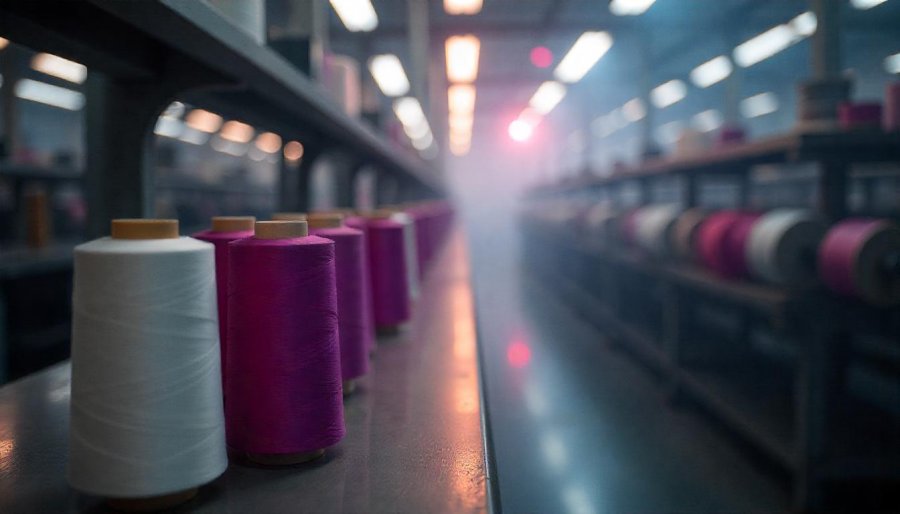
Nylon’s impact extends far beyond its manufacturing process and production plant, continuing to influence ecosystems and human health long after it leaves the factory floor. When nylon products—such as clothing, fishing lines, or carpets—are discarded, they often end up in natural environments where they can persist for decades or even centuries. Unlike organic materials that decompose relatively quickly, nylon resists natural breakdown, fragmenting into tiny plastic particles known as microplastics. These microfibers are nearly invisible but pose significant threats as they enter ecosystems.
In marine environments, nylon microfibers are mistaken for food by a wide range of aquatic creatures, from plankton to large fish and marine mammals. Once ingested, these fibers can cause internal injuries, blockages, and reproductive issues, disrupting the health of entire populations. As predators consume contaminated prey, the microplastics move up the food chain, ultimately reaching humans through seafood consumption. This transfer raises concerns about potential health risks, especially since nylon fibers often carry chemical additives like dyes, flame retardants, and plasticizers, which can leach out and accumulate in organisms.
Nylon fibers act as carriers for environmental toxins. Their high surface area enables them to absorb hazardous substances such as pesticides, heavy metals, and persistent organic pollutants from water and soil. When animals ingest nylon fibers contaminated with these toxins, they can suffer from poisoning, hormonal disruptions, and reproductive problems. These pollutants don’t stay confined to the animals; they leach into water sources and soil, contaminating entire ecosystems. For humans, consuming contaminated seafood or drinking polluted water introduces these harmful chemicals into our bodies, potentially leading to health issues like immune dysfunction, hormonal imbalance, or even increased cancer risk.
The environmental toll of nylon use isn’t limited to oceans. Microfibers shed during washing and wear often escape into wastewater systems, most of which lack the capacity to filter out tiny particles. These fibers then travel into rivers, lakes, and eventually the sea, spreading pollution globally. Over time, they settle in sediments or are dispersed by wind and animals, contaminating soils and freshwater systems. In landfills, nylon microfibers can linger for hundreds of years, gradually breaking into smaller fragments that can be carried into ecosystems by rain or animals, perpetuating the cycle of pollution.
Beyond ecological consequences, nylon’s microplastic pollution poses emerging health concerns for humans. Microfibers have been detected in tap water, bottled water, and even the air we breathe, making exposure unavoidable. Inhalation or ingestion of these tiny particles can trigger inflammation and oxidative stress, which are linked to chronic health problems. The chemical additives associated with nylon fibers, such as dyes and flame retardants, act as endocrine disruptors—interfering with hormone functions and potentially contributing to reproductive and developmental disorders. While research is ongoing, the evidence suggests that nylon microplastics are not just an environmental issue but a public health concern as well.
Addressing these impacts requires more than just awareness; it calls for systemic change in how we produce, consume, and dispose of nylon. Natural fibers like organic cotton, hemp, and linen decompose more readily and do not shed microplastics, offering greener alternatives. Recycled nylon, made from post-consumer plastics, presents another promising path—reducing reliance on virgin fossil fuels and decreasing microplastic pollution. Embracing these alternatives can help mitigate the environmental and health risks associated with nylon, fostering a move toward a more sustainable and responsible use of materials.
The challenge lies in shifting both consumer behavior and industry practices. Increased investment in innovation, better waste management, and stricter regulations can accelerate the transition away from nylon and other synthetic fibers. Public awareness campaigns and eco-friendly fashion initiatives are crucial to inspire change at the individual level as well. Recognizing the profound impact nylon has on our planet and health is the first step toward making smarter choices—choices that prioritize sustainability, reduce pollution, and protect ecosystems for generations to come.