Embarking on your first camping trip might feel intimidating, but could cultivating the right mindset transform your outdoor experience into an adventure of growth and joy? This guide reveals how a positive, adaptable attitude can turn common hurdles—like unpredictable weather or equipment mishaps—into memorable moments of discovery. By embracing uncertainty, practicing patience, and celebrating small wins, you’ll build confidence and resilience that extend beyond the campsite. The journey emphasizes that preparation and mental flexibility are crucial for enjoying nature’s unpredictable beauty, helping newcomers feel safe and excited rather than overwhelmed. As your confidence grows through each trip, outdoor exploration becomes less daunting and more fulfilling, encouraging you to push boundaries and connect deeply with the natural world. So, are you ready to rethink your approach to camping and unlock the rewarding potential of your outdoor adventures?
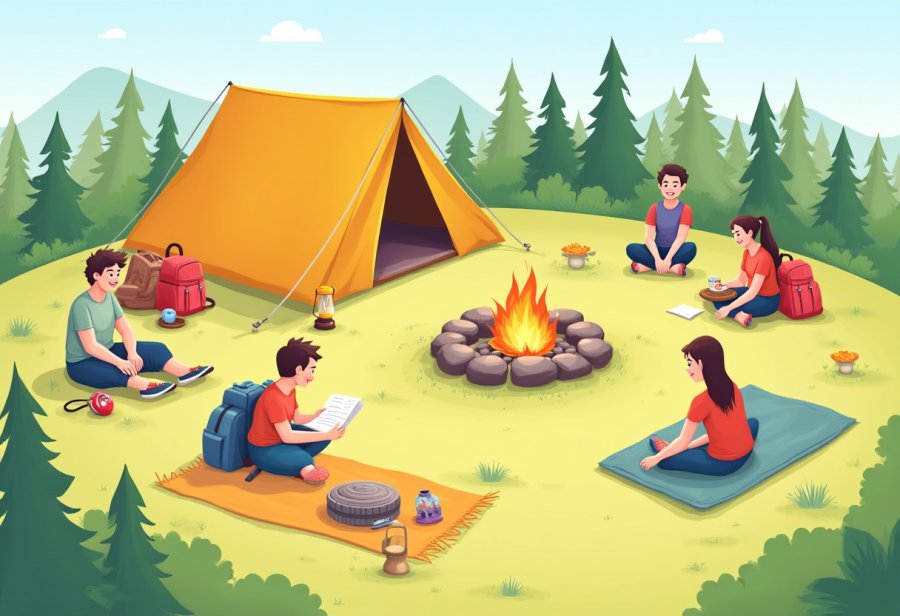
Transform Your Camping Experience with the Right Mindset
Your mindset going into a camping trip can shape the entire experience, turning what might seem like hurdles into opportunities for fun and discovery. When you approach the outdoors with a positive, open attitude, you set the stage for relaxation and enjoyment, even when things don’t go exactly as planned. Confidence in your basic skills—like setting up a tent or starting a fire—and a willingness to go with the flow help you handle surprises with calmness and grace. Think of your mindset as the foundation of your trip; if it’s flexible and optimistic, you’re more likely to stay relaxed and truly connect with nature.
Having the right mental outlook also makes you more receptive to learning. Viewing mistakes as part of the journey rather than failures keeps frustration at bay and encourages curiosity. This calm approach not only boosts your safety but also makes the whole trip more enjoyable for everyone involved. Whether you’re camping solo or with family, maintaining a positive attitude fosters a shared sense of adventure and helps everyone handle setbacks better.
Many first-timers feel a mix of excitement and nerves—completely normal feelings. Concerns about pitching a tent, dealing with bugs, or unpredictable weather often come up. But these worries tend to fade when you’re prepared and keep an optimistic outlook. Proper planning, like practicing how to set up your gear beforehand, builds confidence and reduces anxiety. Remember, every seasoned camper started somewhere, and mistakes are just part of learning. Embracing imperfection helps you stay present and focused on the experience rather than stressing over small issues.
Patience and adaptability are key elements of a strong camping mindset. Nature rarely follows a strict schedule, so being flexible allows you to enjoy the moment rather than stressing about every detail. When weather shifts unexpectedly or plans need adjusting, a calm attitude helps you make the most of the situation. Watching a sunset, listening to wildlife, or simply taking a deep breath can turn potential frustrations into memorable moments. Cultivating curiosity rather than perfection makes camping feel less like a task and more like an adventure.
Focusing on exploration and enjoyment rather than perfection shifts your perspective from obstacles to opportunities. Noticing the sounds of the forest, the sight of wildlife, or the beauty of a starry night becomes more meaningful when you approach each moment with an open mind. This attitude deepens your connection to nature and turns every trip into a chance to grow, learn, and appreciate the outdoors. When your mindset centers on discovery and joy, outdoor adventures become less about overcoming difficulties and more about embracing the journey.
Building this mental foundation takes practice. Each trip offers a chance to reinforce your resilience and confidence. Over time, you’ll find setbacks less intimidating and more manageable, encouraging you to explore new places and try new activities. Developing a positive, adaptable attitude not only enhances your camping trips but also fosters a sense of independence that extends beyond the outdoors. Every challenge you overcome becomes a stepping stone toward greater self-reliance and enjoyment.
Ultimately, cultivating a strong camping mindset transforms how you experience the outdoors. It shifts your focus from potential worries to the excitement of discovery. With each trip, your confidence grows, making outdoor adventures more rewarding and less stressful. This approach turns camping from a daunting task into a lifelong journey of growth, connection, and fun—one that invites you to explore more, learn more, and enjoy nature’s wonders with a relaxed and open heart.
Essential Planning Steps for Your First Adventure
Preparing for your first camping trip might seem overwhelming at first, but breaking it down into clear, manageable steps can make all the difference. Start by choosing a campsite that suits beginners—places with basic amenities like restrooms, running water, and clear signage. These spots offer a welcoming environment where you can focus on mastering the essentials without feeling daunted. National parks and established campgrounds are ideal options, helping you build confidence in a safe, familiar setting.
Next, pack thoughtfully with a checklist of must-have gear. Essentials like a sturdy tent, warm sleeping bags, a reliable lantern, and simple cooking supplies should top your list. Opt for lightweight, versatile items that are easy to carry and set up, freeing you to enjoy more time outdoors. Overpacking can quickly turn into a hassle, so prioritize quality over quantity and focus on what you’ll actually use.
Familiarize yourself with basic safety skills before your trip. Knowing how to handle minor injuries, manage insect bites, and respond to changing weather conditions will boost your confidence. Practice setting up your tent and starting a fire at home to develop muscle memory. Checking the weather forecast in advance helps you pack appropriate clothing and plan activities, keeping you comfortable and prepared for whatever nature throws your way.
Choosing the right location makes a huge difference for beginners. Pick a site with easy access, nearby facilities, and minimal hiking requirements. This allows you to focus on learning the basics—setting up camp, cooking, and exploring—without feeling overwhelmed. A convenient spot helps foster a positive experience, laying a solid foundation for future outdoor adventures.
Finally, plan your meals and hydration carefully. Pack non-perishable, hearty foods like trail mix, canned soups, or instant noodles, which are quick and easy to prepare. Bring along utensils, a portable stove, and enough water or filtration equipment to stay well-hydrated. Preparing in advance removes unnecessary stress and ensures you have energy to enjoy your outdoor experience. With a bit of planning, your first camping trip can be comfortable, fun, and memorable.
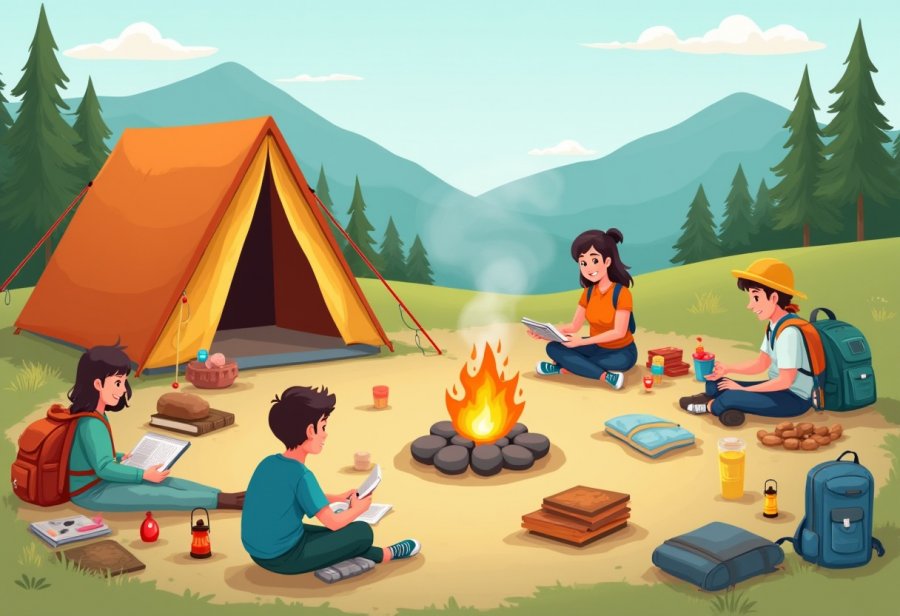
Cultivate Confidence and Joy by Building Your Camping Attitude
Building the right camping mindset is about preparing your mind to handle the unpredictable and making mental adjustments that foster confidence and enjoyment. Approaching your trip with openness and a willingness to adapt sets the stage for a relaxed, memorable experience. When you accept that surprises—like sudden rain or tricky terrain—are part of the adventure, frustration gives way to curiosity and resilience. Viewing setbacks as opportunities to learn keeps your mood positive and helps you stay focused on the bigger picture: connecting with nature.
Flexibility is key. When plans shift unexpectedly, instead of feeling discouraged, take a moment to pause and see the new situation as part of the journey. Embracing changes like weather delays or equipment hiccups allows you to find beauty in the moment, whether that’s listening to bird calls, watching a sunset, or simply breathing in fresh air. Staying calm and adaptable not only improves your experience but also makes those around you feel more at ease, turning potential stressors into shared memories.
Setting realistic expectations before you leave can make a big difference. Recognize that camping involves messiness, minor inconveniences, and delays—these are all part of the outdoor experience. Letting go of perfection and embracing imperfection helps you enjoy the small victories, like successfully pitching your tent or lighting a fire. Focusing on the joy of being outdoors and the quality time spent with loved ones keeps your mindset positive, even when challenges arise.
Cultivating curiosity transforms camping from a simple task into an ongoing exploration. Listening to the sounds of wildlife, observing the changing scenery, or discovering new trails deepens your connection to nature. Approaching each moment with an open mind turns ordinary routines into opportunities for discovery and wonder. This sense of curiosity not only enriches your trip but also encourages you to try new activities and push your boundaries gradually.
Confidence in outdoor settings builds through resilience. Each trip, especially when faced with obstacles like weather or gear issues, becomes a chance to reinforce your skills and trust in your abilities. When you handle setbacks calmly and find solutions, you grow more self-reliant. Over time, these experiences make outdoor adventures feel less intimidating and more rewarding, inspiring you to explore new places and try activities you might have hesitated over before.
This mental shift also nurtures independence. As you become more comfortable making decisions on the fly—whether adjusting plans due to weather or navigating unfamiliar terrain—you develop a sense of empowerment. The confidence gained from managing challenges outdoors often spills over into other areas of life, encouraging problem-solving and self-trust. Each successful outing reinforces that you’re capable of handling whatever comes your way.
In the end, developing a strong camping mindset turns outdoor adventures into opportunities for growth, connection, and fun. It shifts your focus from worries about what might go wrong to excitement about what you’ll discover. With each trip, your confidence grows, making outdoor living not just manageable but genuinely enjoyable. This mindset transforms camping from a challenge into a rewarding journey of exploration—one that keeps inspiring you to venture further, learn more, and deepen your bond with nature.
Turn Mental Strategies into Real-World Camping Success
Putting your camping mindset into action means translating mental strategies into behaviors that enhance your outdoor experience. When surprises like a sudden rainstorm occur, instead of feeling frustrated, pause for a moment and see it as part of the adventure. Embrace the rain, breathe in the fresh scent of wet earth, and adapt your plans accordingly. Maintaining this mindset helps you stay calm and think clearly, even when things don’t go perfectly.
Preparation before your trip makes handling unexpected situations easier. Review your gear, route, and safety procedures at home so you’re confident in your skills. Practice setting up your tent and starting your stove in your backyard—these routines build muscle memory and trust. When you’re comfortable with your equipment and routines, surprises become manageable rather than overwhelming, allowing you to focus on enjoying the outdoors.
Celebrating small wins during your trip also keeps your mindset positive. Successfully pitching your tent, lighting a campfire, or spotting wildlife are moments to savor. These victories boost your confidence and remind you that you’re capable of managing outdoor challenges. Over time, these successes encourage you to try new activities, explore different trails, or experiment with outdoor cooking, broadening your comfort zone.
Patience plays a crucial role when nature throws curveballs. Waiting out a rainstorm or a delay without rushing helps you stay relaxed and present. Instead of rushing to fix everything, take a deep breath and see these moments as part of the journey. This calm approach not only keeps you safe but also allows you to notice the small details—the sounds of birds, the warmth of the sun, or the beauty of a sunset—which deepen your connection with nature.
Viewing setbacks as opportunities for growth shifts how you handle difficulties. If your gear malfunctions or plans change unexpectedly, ask yourself what you can learn from the situation. Perhaps your tent took longer to set up, or your food got a bit spoiled. Each hiccup becomes a chance to improve your skills or adapt for next time. By maintaining curiosity and a positive attitude, you’ll find your enthusiasm remains high, transforming obstacles into valuable lessons.
The more you practice applying these mental strategies, the more confident and relaxed you’ll become in outdoor settings. Each trip offers a new chance to reinforce your resilience and develop your skills. Over time, handling surprises and adapting on the fly will feel natural, making outdoor adventures less stressful and more rewarding. This continuous practice turns camping from an intimidating task into an enjoyable journey of discovery, growth, and connection.
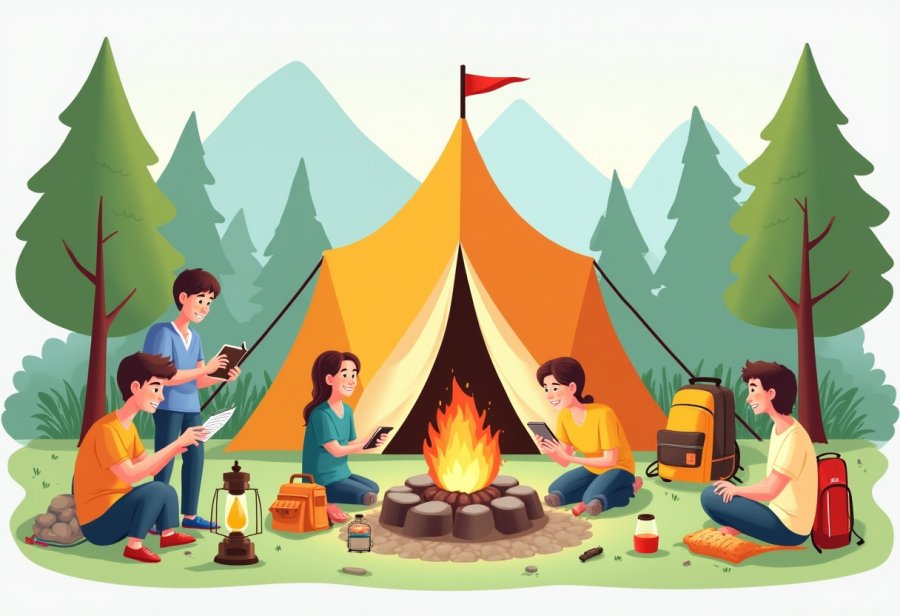
Growing Confidence: Unlock the Full Potential of Your Outdoor Adventures
As you continue to develop a strong camping mindset, you’ll notice your confidence in outdoor settings naturally grows. Each successful trip reinforces your ability to handle challenges, making new adventures feel less intimidating and more achievable. When you trust your skills and approach situations with a positive outlook, you become more willing to explore longer hikes, try new activities, or venture into remote campsites. This growing confidence encourages you to push your boundaries gradually, opening up a wider range of outdoor experiences that keep your passion alive.
Building resilience is key to this progress. When setbacks like bad weather or gear mishaps happen, learning to stay calm and find solutions transforms obstacles into opportunities. Over time, these moments become less stressful because you see them as part of the learning process. With each hurdle overcome, you reinforce your skills and trust in your ability to handle whatever comes your way. That sense of mastery fuels your desire to explore further and tackle challenges you might have once avoided.
As your confidence expands, outdoor adventures shift from feeling like daunting tasks to sources of joy and discovery. You start noticing the small details—the call of a bird, the glow of a sunset, or the rustling leaves—that deepen your connection to nature. Approaching each trip with curiosity rather than caution transforms ordinary outings into meaningful experiences. This mindset not only enhances your enjoyment but also encourages you to seek out new environments and activities, broadening your outdoor horizons.
Independence grows alongside confidence. Making decisions on the fly—whether adjusting plans due to weather or navigating unfamiliar trails—becomes second nature. Trusting yourself in these moments fosters a sense of empowerment that extends beyond camping, boosting your problem-solving skills and self-reliance in other areas of life. Each successful outdoor venture reinforces that you’re capable of handling uncertainty, building resilience that lasts.
Looking ahead, this steady growth in confidence opens doors to more ambitious adventures. Longer hikes, multi-day trips, or exploring more remote wilderness areas become appealing instead of intimidating. With a mindset rooted in curiosity and resilience, you approach these challenges with excitement rather than hesitation. Every new experience adds to your sense of achievement, encouraging you to push further and discover more of what nature has to offer.
As you embrace this journey of growth, outdoor experiences become less about overcoming obstacles and more about embracing the possibilities. Your confidence and enthusiasm feed into each new trip, making every outing richer and more fulfilling. The more you trust yourself and stay open to learning, the deeper your connection to nature and yourself grows. This ongoing process transforms outdoor adventures from occasional escapes into lifelong passions—each step building toward a more adventurous, resilient, and joyful outdoor life.