Few moments in life evoke such pure, uncomplicated joy as a dog’s outdoor walk with their favorite human. These shared routines transcend mere exercise, becoming heartfelt rituals of discovery, trust, and connection. Why do these simple outings so profoundly impact both pets and owners? The answer lies in the sensory richness of nature—sniffing new scents, observing sights, and hearing sounds—that stimulates a dog’s mind and spirit. These walks foster emotional security, reinforce bonds, and offer vital mental and physical benefits. Yet, with urbanization and environmental challenges, how can we preserve and enhance these meaningful experiences? This guide explores how intentional routes, mindful engagement, and community involvement turn routine walks into powerful moments of joy. Ultimately, it reveals that life’s greatest happiness often resides in the smallest, most natural encounters—inviting us to slow down, truly observe, and cherish the genuine bond shared with our dogs.
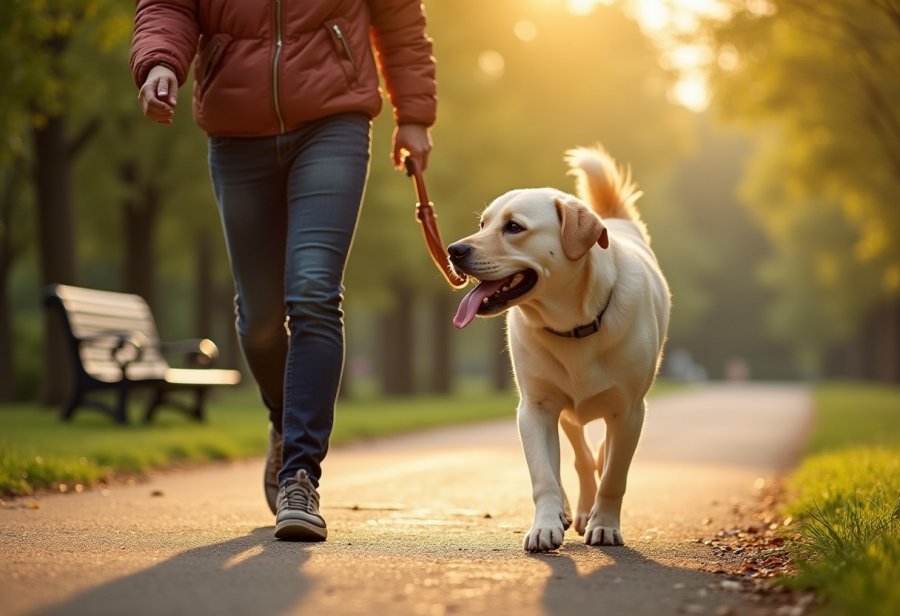
Discover the Joy of Outdoor Walks with Your Dog
Few moments in a dog’s day bring more genuine happiness than a leisurely walk outside with their favorite human. It’s a simple activity, yet one packed with meaning. For dogs, these walks are more than just a chance to stretch their legs—they’re an opportunity to explore new scents, sights, and sounds that feed their natural curiosity. For owners, these outings become cherished routines, offering a break from daily stresses and a chance to reconnect.
These outdoor excursions aren’t just about physical activity. They serve as vital bonding experiences rooted in trust and mutual enjoyment. Watching a dog’s tail wag with excitement or seeing them pause to sniff at every patch of grass reminds us how much these small adventures matter. In those moments, a shared sense of discovery deepens emotional ties, transforming ordinary walks into meaningful rituals.
Beyond fostering connection, outdoor walks are essential for a dog’s overall well-being. They provide necessary exercise that keeps muscles strong, joints flexible, and weight in check. But more than that, these walks stimulate their senses—allowing dogs to take in a universe of new smells, sights, and sounds. This sensory richness helps prevent boredom and anxiety, keeping dogs mentally sharp and emotionally balanced.
It’s this engagement with nature that makes outdoor walks so joyful. Dogs are captivated by the visual landscape—rustling leaves, passing squirrels, other dogs in the distance. Their noses are constantly busy, catching scents of fresh grass, blooming flowers, or animal trails. Sounds like birds singing or water flowing add to this lively soundtrack. When a dog takes their time to explore and sniff, it’s a sign they’re truly content, fully immersed in the moment.
These simple outdoor experiences leave a lasting impression. Whether it’s a quiet walk through a shaded park or a leisurely stroll along a scenic trail, these moments fill both dog and owner with a sense of wonder and calm. They remind us that happiness often resides in small, natural pleasures—the kind shared in trust and companionship, step by step.
Uncover the Secrets Behind Canine Happiness
Dogs experience joy during outdoor activities through a blend of physical and mental factors working together seamlessly. When they move around, their bodies release endorphins, natural chemicals that elevate mood and boost energy levels. Regular exercise keeps their muscles strong, joints flexible, and helps maintain a healthy weight, all of which contribute to a sense of well-being. But the physical benefits are just one piece of the puzzle; outdoor walks also serve as vital mental stimulants. Every new scent, sight, or sound sparks their curiosity, activating hunting instincts and providing essential mental engagement that wards off boredom and reduces anxiety.
Exploring different environments amplifies a dog’s happiness. Bright, sunny days tend to heighten their playful energy and encourage investigation. Allowing dogs to sniff at their own pace fulfills their instinctual need to hunt and gather information, making each walk feel like an adventure rather than a routine. This sensory exploration keeps their minds sharp and makes the experience more satisfying, fostering a genuine sense of discovery. When dogs are encouraged to explore freely, they develop confidence and trust, strengthening the bond with their owners and turning walks into meaningful shared moments.
Trust and emotional security are central to a dog’s perception of joy. When dogs learn to rely on their owner’s calm commands and gentle encouragement, they feel safe and confident during outdoor adventures. Exploring unfamiliar sights or smells together deepens this trust, turning the walk into a ritual of mutual understanding. As their confidence grows, dogs become more comfortable in new environments, which in turn enhances their overall happiness. This emotional security creates a positive feedback loop, where trust and exploration reinforce each other, making outdoor outings a source of true contentment.
Natural surroundings further elevate a dog’s happiness by engaging multiple senses simultaneously. Parks, trails, and open skies offer textures, sounds, and scents that satisfy their innate curiosity and hunting instincts. The textures of different terrains, the rustling of leaves, the scent of blooming flowers or wildlife—these elements provide a holistic sensory experience that stimulates both the body and mind. This rich environment not only encourages physical activity but also fosters mental well-being, transforming routine walks into joyful explorations that invigorate a dog’s entire being.
Understanding what drives canine happiness reveals that these outdoor moments tap into fundamental instincts and emotional needs. They remind us that happiness often resides in simple, authentic experiences—time spent together, exploring nature, and trusting each other’s cues. When owners pay attention to their dog’s signals and allow unhurried exploration, they create opportunities for genuine connection and mutual joy. These shared experiences don’t just improve a dog’s mood—they deepen the emotional bond, making every outdoor walk a heartfelt journey of trust, discovery, and happiness.
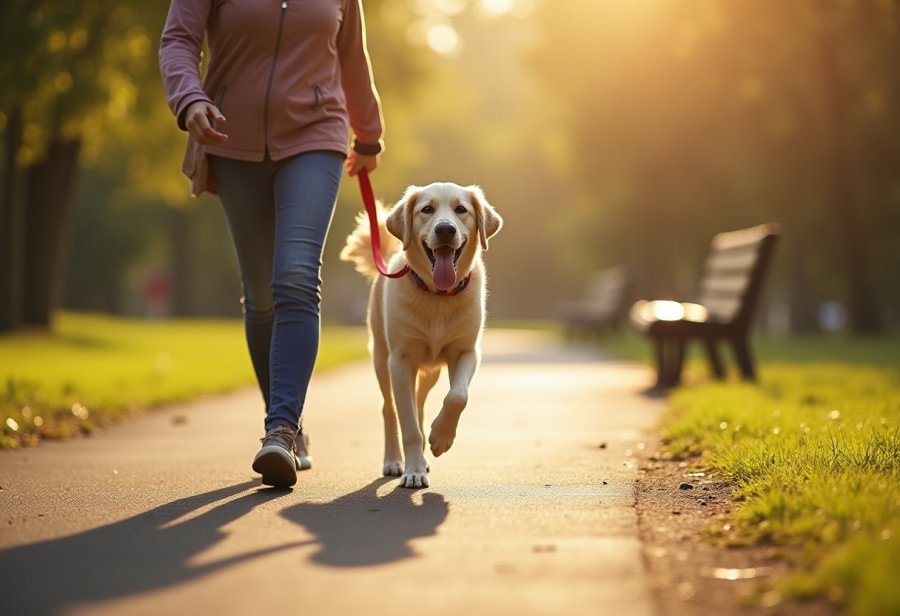
The Evolving World of Dog Walking Trends
Today’s approach to outdoor activities for dogs has shifted from mere exercise to a richer, more intentional experience. Many owners now see walks as crucial moments for mental stimulation and emotional connection, not just physical movement. Parks, nature trails, and open spaces are chosen deliberately for their ability to engage a dog’s senses—offering a variety of sights, smells, and sounds that feed their natural curiosity. This shift reflects a broader cultural focus on pet well-being, emphasizing quality over quantity in outdoor outings.
Eco-conscious practices are becoming increasingly popular among pet owners. Natural trails, for instance, are preferred over paved paths to minimize environmental impact, while community clean-ups and eco-friendly initiatives turn walks into opportunities for social responsibility. Technology also plays a growing role, with GPS trackers and activity monitors helping owners tailor walks to their dog’s needs, ensuring safety while promoting engagement. These tools foster a sense of community among pet owners, encouraging shared experiences beyond just physical exercise.
Urbanization has reshaped how many people approach outdoor walks. Limited access to large green spaces means owners often seek out smaller parks, designated dog zones, or nearby nature reserves. The focus has shifted from long, routine walks to meaningful, sensory-rich experiences. Each outing is now viewed as an opportunity for mental stimulation, socialization, and emotional reassurance, making even shorter walks deeply rewarding. This trend highlights the importance of quality over quantity in outdoor activities.
Social dog-walking groups are becoming more common, transforming routine outings into community-building events. These gatherings in local parks or shared spaces allow dogs to socialize and owners to exchange advice and support. Such interactions boost a dog’s confidence and manners while strengthening bonds among owners. This social element underscores the idea that outdoor activities serve multiple purposes—exercise, companionship, and mental health—all interconnected.
Despite these positive developments, challenges remain, especially in densely populated areas where green spaces are scarce. Limited access can restrict opportunities for dogs to fully explore nature, while safety concerns like traffic or weather conditions can hinder outdoor enjoyment. Overcrowded trails risk harming local ecosystems, emphasizing the need for responsible outdoor habits—sticking to designated paths, respecting wildlife, and prioritizing safety to protect both pets and the environment.
Looking ahead, outdoor walking practices are poised to become even more intentional and innovative. Advances in technology might introduce augmented reality routes or virtual nature experiences, adding new layers of engagement. Eco-conscious routines could emphasize minimal impact paths that preserve local habitats. As awareness of mental health grows, walks may evolve into mindful rituals—slowing down, observing surroundings, and fully immersing in nature. These developments deepen the bond between dogs and owners, turning everyday outings into meaningful moments of connection and well-being.
Strategies to Maximize the Pleasure of Every Step
To make outdoor walks more enjoyable and beneficial for your dog, start by choosing routes that offer a variety of scenery and terrain. Parks with shaded paths, wooded trails, or open fields keep your dog mentally stimulated and curious. Changing the environment regularly prevents boredom and transforms each outing into a fresh adventure. Incorporating playtime during walks—like bringing a favorite toy or tossing a ball—can boost enjoyment and reinforce positive behavior, making the experience more rewarding for your dog.
Maintaining a relaxed pace helps set a calm, positive tone. Allow your dog to explore at their own speed, stopping to sniff, investigate, and take in new scents. Giving them the freedom to explore fosters natural curiosity and builds confidence. Paying attention to their body language ensures they’re comfortable and engaged, preventing overstimulation or exhaustion. When dogs feel secure and unhurried, they’re more likely to enjoy each outing and look forward to the next.
Introducing variety is key to keeping your dog interested. Explore new parks, trails, or different times of day to bring a sense of novelty to routine walks. Even changing the length or route of your outings can make a difference. These small adjustments turn everyday walks into opportunities for discovery, deepening your bond and supporting their mental and physical health. The goal is to make each walk an intentional experience rather than just a task to complete.
Interactive activities can elevate outdoor time beyond simple exercise. Setting up scent trails with treats or toys taps into your dog’s natural hunting instincts, transforming walks into fun treasure hunts. Simple agility challenges, like weaving through cones or jumping over low obstacles, boost their confidence and coordination. These fun challenges keep your dog mentally engaged and physically active, creating a more dynamic and fulfilling experience for both of you.
Positive reinforcement plays a crucial role in shaping enjoyable outings. Reward your dog with treats, praise, or gentle petting when they respond well to commands or behave calmly. This approach teaches them that good behavior leads to rewards, fostering a sense of security and cooperation. Over time, your dog will associate walks with positive experiences, making each outing a shared adventure built on trust and mutual understanding.
Being attentive to your dog’s cues is essential for a successful walk. Watch for signs of fatigue, discomfort, or overstimulation, and adjust accordingly—whether that means slowing down, taking a break, or changing the route. Respect their signals and give them space to sniff and explore at their own pace. This mindfulness helps keep the outing enjoyable and stress-free, encouraging your dog to associate outdoor walks with comfort and happiness.
Approaching each walk with intentionality transforms a routine activity into a meaningful ritual. Slowing down, observing your surroundings, and engaging all your senses turn an ordinary outing into a shared experience of discovery. By prioritizing your dog’s needs and interests, you deepen the emotional bond, enhance their well-being, and create lasting memories. These small shifts from hurried routines to mindful engagement make outdoor walks truly enriching for both pet and owner.
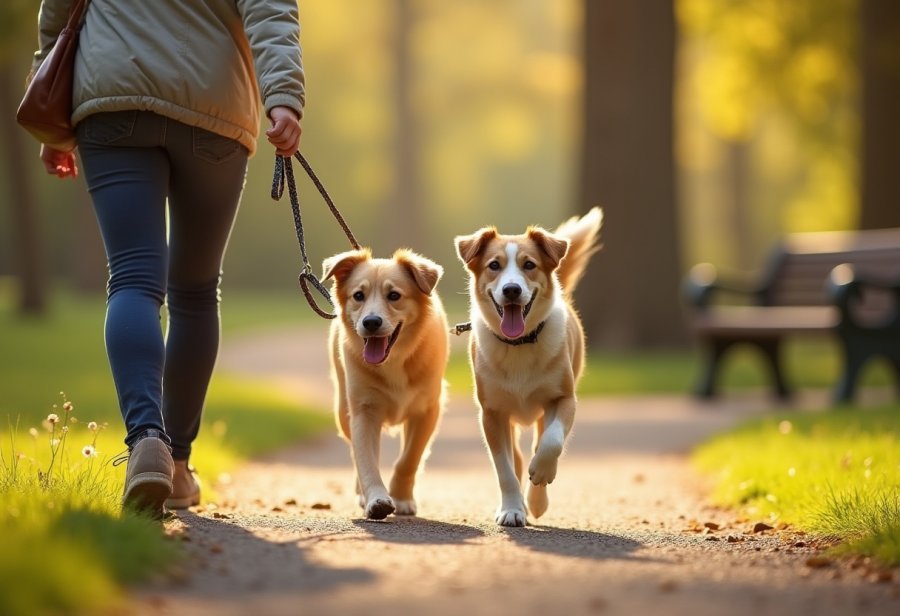
Cherishing Simple Outdoor Moments That Strengthen Bonds
Sometimes, the simplest outdoor pleasures carry the deepest emotional weight. A quiet walk through a shaded park, the scent of fresh grass, or the gentle rustle of leaves can evoke pure happiness in both dogs and their owners. These moments remind us that life’s most meaningful connections often come from small, natural experiences rather than elaborate plans or fancy gear. Embracing these everyday joys allows us to slow down and truly appreciate what matters—trust, presence, and shared discovery.
Watching your dog revel in these uncomplicated outdoor activities reveals their genuine, unfiltered happiness. When they sniff at new scents, bounce in the sunlight, or pause to take in their surroundings, they’re engaging with the world in a way that feeds their instincts and lifts their mood. These moments aren’t just routines—they’re opportunities for mutual discovery that deepen the bond between pet and owner. Valuing these natural pleasures helps us recognize the immense joy that grows from simple interactions rooted in trust and companionship.
Reflecting on what makes these outdoor moments so impactful, it becomes clear that happiness for dogs—and for us—often resides in the small, unassuming experiences around us. A leisurely walk, a shared quiet under a tree, or a moment of wonder along a scenic trail can leave lasting impressions of trust and affection. These simple acts foster emotional well-being, helping both dogs and their owners feel more secure and connected. They serve as gentle reminders that life’s greatest joys are often found in appreciating the natural rhythms of everyday life.
Focusing on these small, mindful moments transforms routine walks into treasured rituals. Changing routes, exploring new environments, or simply slowing down to observe our surroundings deepens the experience. When we pay close attention to our dogs’ cues and allow unhurried exploration, we nurture confidence and trust. These small shifts turn everyday outings into meaningful journeys—full of discovery, connection, and genuine happiness—without the need for anything more than presence and attentiveness.
This emphasis on simplicity reinforces a powerful truth: happiness isn’t about length or complexity but about quality and connection. The quiet, natural routines shared with our dogs become the foundation for emotional health and mutual trust. When we prioritize presence over perfection, we create space for authentic moments of love and understanding—moments that nourish both our pets and ourselves. In these unassuming encounters, true contentment quietly blooms, reminding us that happiness often lives in the small, natural rhythms of life.
Looking ahead, approaching outdoor walks with mindfulness and appreciation enriches our relationships with dogs. By slowing down and fully engaging with the environment, we turn ordinary routines into meaningful experiences. These small, intentional choices deepen bonds, foster trust, and cultivate a sense of calm and well-being. In embracing the simple, natural pleasures of outdoor life, we discover that the most profound joy comes not from grand gestures but from appreciating the beauty of everyday moments shared with those we love.