Deciding how to repair your car isn’t just about saving money—it’s a critical choice that impacts your safety and peace of mind. Are simple tasks like oil changes best handled DIY, or do safety-critical repairs demand professional expertise? This guide explores when to tackle repairs yourself, call a mobile mechanic, or head to a garage. DIY repairs can save costs and boost your skills but carry risks if you overreach. Mobile mechanics offer convenience for quick fixes without the hassle of traditional shops, yet are limited for complex jobs requiring heavy equipment. For intricate, safety-sensitive repairs, professional garages with advanced tools and warranties are the safest option. Understanding the complexity of each repair, your skill level, and budget considerations helps prevent costly mistakes and ensures your vehicle’s reliability. Making the right choice—balanced between affordability and safety—can keep you confidently on the road, avoiding unnecessary risks or expenses.
Deciding the Best Way to Fix Your Car for Safety and Savings
When your car starts acting up, deciding how to get it fixed can quickly become overwhelming. Do you attempt the repair yourself, call a mobile mechanic, or take it straight to a traditional garage? Each option has its perks and pitfalls, and choosing the right one depends on the specific repair, your skill level, and your priorities. Making an informed decision here isn’t just about saving money—it’s about ensuring safety and reliability on the road.
Knowing which approach suits each situation can save you time, money, and frustration. Simple, low-risk maintenance tasks like replacing windshield wipers or topping off fluids are often perfect for DIY. These jobs don’t require special tools or expertise, and they give you a sense of control over your vehicle’s upkeep. However, more complex repairs, especially those involving safety systems or heavy components, demand a different approach.
The main question is when to handle a repair on your own, when to bring in a mobile mechanic, and when to trust a professional garage. Each has a place. DIY is ideal for small, straightforward tasks, but it’s risky to go beyond your comfort zone or technical skill. Mobile mechanics offer a convenient middle ground for quick fixes, saving you the hassle of towing or waiting in a shop. For anything more involved, especially repairs that require specialized tools or diagnostics, a garage remains the safest choice.
Choosing wisely isn’t just about cost—it’s about your safety and peace of mind. A wrong move on a critical system can lead to accidents or further damage. On the flip side, relying on professional help for complex or safety-related issues ensures the work is done correctly and thoroughly. Understanding the scope of each repair and matching it to the right approach helps prevent costly mistakes and keeps your vehicle dependable.
Ultimately, the goal is to balance your skills, budget, and safety considerations. Recognizing when a job is simple enough for DIY and when it’s better left to the pros can make all the difference. By making smart choices about repair options, you protect your investment and stay safe on the road, even when something goes wrong.
Exploring DIY, Mobile Mechanics, and Garage Repairs: What Fits Your Needs
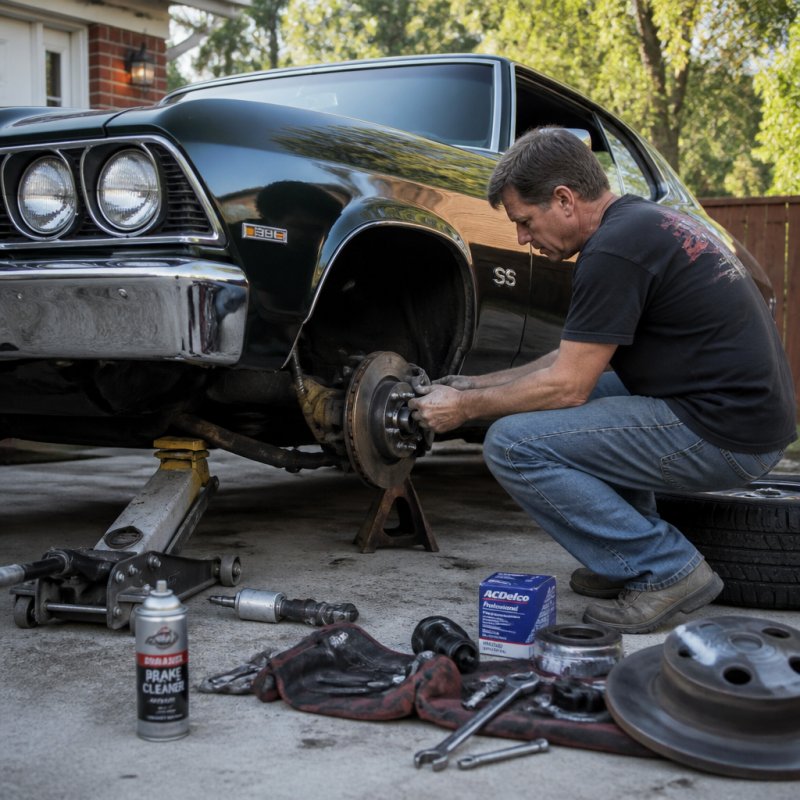
When it comes to fixing your car, the approach you choose hinges on the type of repair needed, your skill level, and how much time you want to invest. Doing repairs yourself is often the most budget-friendly option. Tasks like changing windshield wipers, topping off fluids, or replacing a battery usually require only basic tools and a bit of patience. These jobs can be tackled on your own schedule, giving you a sense of control and satisfaction over your vehicle’s maintenance.
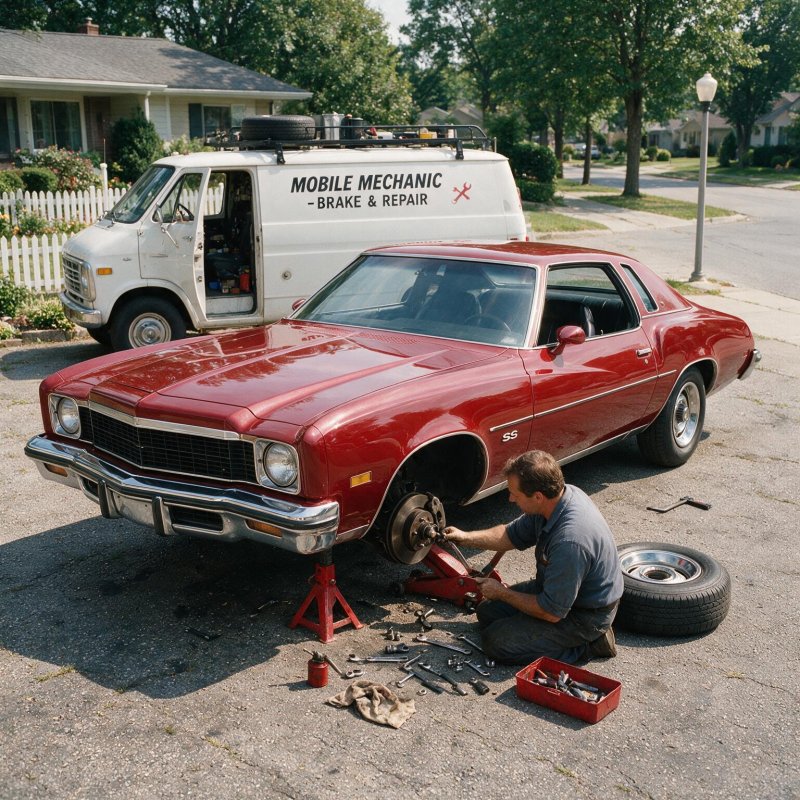
Mobile mechanics offer a convenient middle ground. They come to your driveway, parking lot, or workplace and handle repairs on the spot. This eliminates the hassle of towing or waiting in a shop, making it ideal for quick fixes like brake checks or battery replacements. Since they operate with lower overhead than traditional garages, their services are often more affordable, and you get the benefit of personalized service where you can ask questions and watch the process.
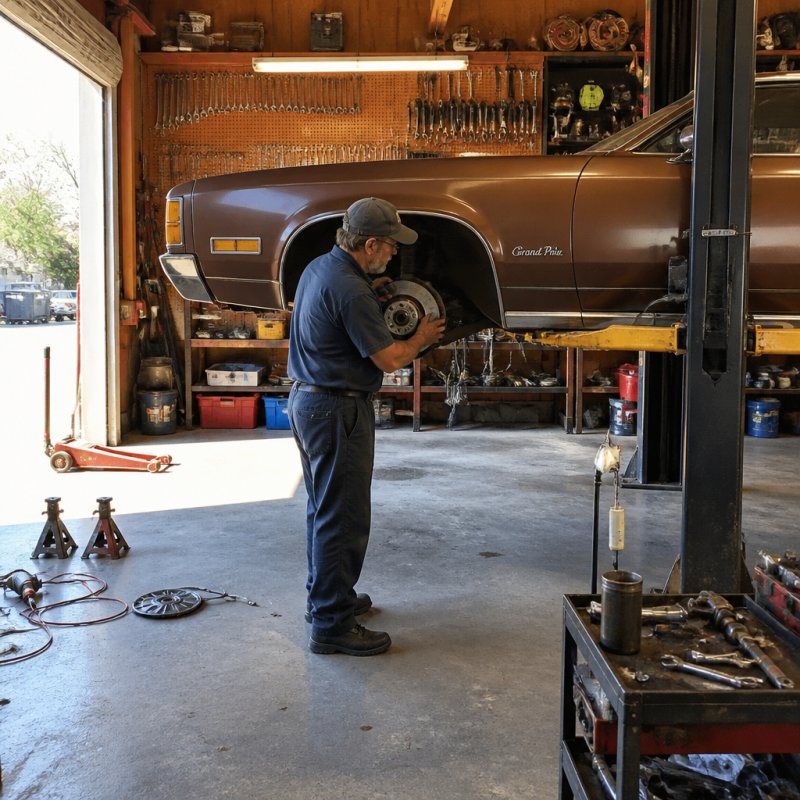
Traditional garages remain the best option for complex or safety-critical repairs. Equipped with lifts, diagnostic tools, and specialized equipment, they can handle engine rebuilds, transmission repairs, and other jobs that require heavy machinery. Their trained mechanics often provide warranties on parts and labor, adding peace of mind especially when dealing with major repairs that impact your vehicle’s safety and reliability.
Each repair method has its considerations. DIY repairs demand some technical skill and caution—mistakes here can lead to bigger expenses or safety risks. Mobile mechanics are perfect for quick, straightforward jobs but aren’t suited for repairs requiring heavy equipment or extensive disassembly. Garages, while more costly, ensure the work is done accurately and safely, especially when dealing with complex systems or safety features.
A related discussion appears in Smart Repair Choices for Safe and Cost-Effective Car Maintenance, written by Chris Stewart for Euler's Mathematical Constant – e.
Matching the repair to the right approach saves you money and prevents future headaches. Simple, low-risk tasks like replacing a fuse or changing oil are often best handled at home. For minor repairs that need quick attention but don’t require heavy tools, a mobile mechanic provides a good balance of convenience and quality. When the repair involves critical safety components or complex systems, trusting a professional garage guarantees the work is thorough and reliable.
Assessing Repair Difficulty and Safety Risks: Know When to Call in the Pros
Deciding whether to tackle a repair yourself or call in a professional hinges on understanding how complex and risky the job really is. Some repairs are straightforward enough that most drivers can handle them safely, like replacing a headlight or topping off fluids. These tasks usually only require basic tools and pose minimal safety concerns, making them ideal for DIY. However, jobs involving critical safety systems—such as brakes, suspension, or airbags—demand careful assessment before proceeding.
The tools needed for repairs are a good indicator of their difficulty. Simple tasks often need just hand tools like screwdrivers, wrenches, or pliers, which many people already own. More involved repairs—like working on high-voltage electrical systems or removing engine components—require specialized equipment such as lifts, diagnostic scanners, or hydraulic presses. Attempting these without proper tools not only hampers progress but can also be dangerous.
Your skill level plays a key role in this decision. Be honest about your experience and confidence. If you’re unfamiliar with a system or unsure of your abilities, it’s safer to avoid complex repairs. For example, working on your brakes involves more than just removing and replacing parts; it’s about ensuring proper installation to avoid brake failure. Misjudging your capabilities can lead to safety hazards or further damage that’s costly to fix.
Safety considerations extend beyond the repair itself. Jobs involving working under the vehicle with jacks and stands require proper technique and equipment to prevent accidents. Electrical repairs, especially in hybrid or electric cars, carry risks of shocks or fires if not handled correctly. Chemical handling—such as brake fluid or coolant—also demands caution due to toxicity and corrosiveness. Recognizing these hazards helps determine when a repair exceeds your skill set.
Complex repairs often demand a deep understanding of vehicle systems and precise execution. Mistakes in these areas can compromise your safety or cause more damage, making professional help essential. For instance, improper installation of suspension parts can affect vehicle handling, while incorrect electrical repairs might lead to shorts or fires. When in doubt, consulting tutorials or seeking advice from experienced mechanics can help you judge whether a task is within your reach.
Starting with small, low-risk repairs builds confidence and skills. Tasks like replacing a fuse or changing windshield wipers are perfect for beginners. As you gain experience, you can gradually take on more challenging jobs, always weighing the potential safety risks. Knowing your limits prevents costly mistakes and ensures your vehicle remains safe and reliable.
This perspective is expanded in Kie Russell‘s article Innovative Car Repair Trends Shaping the Future of Automotive Care on Blog Story Lines.
Matching the complexity of the repair with your abilities and safety considerations is crucial. When a job involves critical safety components or requires heavy equipment, leaving it to professionals is the smartest move. Recognizing your limits and understanding the risks involved keeps repairs manageable and your driving safe, avoiding unnecessary hazards or expenses.
Balancing Cost and Quality: Making Smart Repair Budget Choices
When weighing repair options, cost is often a major factor. Doing the work yourself might seem like the cheapest route initially, since you’re only paying for parts and maybe some basic tools. However, underestimating the potential for mistakes or lack of experience can turn a low-cost fix into a more expensive problem down the line. Small repairs like replacing windshield wipers or topping off fluids usually offer quick savings, but it’s crucial to be honest about your skill level to avoid costly errors.
Mobile mechanics present a middle ground. Their lower overhead compared to traditional garages often translates into more competitive pricing. For straightforward jobs such as battery replacements or brake checks, their fees tend to be more affordable, especially when compared to the higher prices at dealerships or large repair shops. Plus, you save on towing or the inconvenience of dropping off your vehicle, making these services both practical and budget-friendly.
Spatial Rifts offers a relevant article by Harp Parker titled Smart Vehicle Repair Choices for Safer, Faster Fixes.
Traditional garages, especially dealerships, tend to be the priciest option. Their higher rates reflect the cost of heavy-duty equipment, specialized training, and warranty offerings. While these repairs can seem costly upfront, investing in professional work on complex or safety-critical systems often pays off in durability and peace of mind. Proper repairs done right the first time can prevent future breakdowns and expensive rework, which might be more costly if attempted DIY or at a less equipped shop.
Considering the long-term perspective is essential. A cheaper repair now might lead to bigger expenses later if it’s not done properly. For example, a quick fix that doesn’t last or isn’t installed correctly could cause additional damage, requiring more repairs or even jeopardizing safety. Spending a bit more on a reputable mechanic or garage can ensure the job is durable, saving money and hassle down the road.
Balancing immediate costs against potential future expenses is key. For routine, low-risk tasks, DIY or mobile services often deliver the best value. But for repairs that involve critical safety components or intricate systems, investing in professional, quality work is a smarter financial move. It reduces the risk of repeat repairs or dangerous failures, ultimately saving money and ensuring safety.
Think of repair costs as an investment in your vehicle’s reliability. Opting for the lowest initial price may seem attractive, but if it compromises quality or safety, the true cost can be much higher. Conversely, spending more on a professional repair can extend your vehicle’s lifespan and avoid costly fixes later, making it a wise financial decision.
Ultimately, understanding the real costs involved helps you make smarter choices. Small, simple repairs are often best handled yourself or by a mobile mechanic, keeping expenses minimal. For anything more complex or safety-sensitive, trusting a reputable garage ensures the job’s done right—protecting your investment and your safety without breaking the bank.
Real-Life Impact of Repair Decisions: Practical Examples That Affect Your Daily Drive
Choosing how you repair your car can have a real impact on your daily routine. For example, changing your own oil on a weekend not only saves money but gets you back on the road quickly. It’s a straightforward task that many drivers can handle with basic tools, giving a sense of independence and control over vehicle maintenance. On busy mornings, calling a mobile mechanic for a quick brake check can be a game-changer, saving you the hassle of towing or waiting in a shop and helping you stay on schedule.
When facing bigger issues like transmission or engine problems, how you handle repairs makes an even bigger difference. Relying on a professional garage might mean a longer wait, but it ensures the work is done thoroughly and correctly. This can prevent unexpected breakdowns or accidents that could disrupt your plans for days or even weeks. Knowing the repair was done properly provides peace of mind, especially if your vehicle is essential for work or family commitments.
Your repair choices also influence how often you encounter surprises down the line. A DIY fix that goes wrong might lead to more trips to the shop, costing you time and money. Conversely, trusting a qualified mechanic for complex repairs minimizes the risk of errors and future breakdowns, saving headaches later. Mobile mechanics, while convenient for small jobs, can still help you address issues quickly without major disruptions in your schedule.
Many drivers find that investing in professional repairs pays off over time. For example, a reputable garage’s warranty can save money if a part fails or if further repairs are needed later. Meanwhile, those who stick to simple, low-risk tasks at home often keep their cars in good shape with minimal expense. The key is matching the repair’s complexity and safety needs with your lifestyle and priorities—whether that’s saving time, reducing costs, or ensuring safety.
The way you approach repairs shapes your daily routine more than you might think. Quick fixes that keep your commute smooth, or major repairs that prevent future problems, all influence your schedule, budget, and peace of mind. Being mindful of this helps you make smarter choices—whether you’re rolling up your sleeves or calling in the experts—to keep your car reliable and your life running smoothly.