What if true strength lies not in external victories or material riches, but in mastering oneself through inner discipline? Marcus Aurelius exemplifies this profound truth—ruling an empire with wisdom, patience, and moral clarity amid wars, plagues, and political chaos. His life invites us to reconsider leadership: is it measured by conquest or by the resilience and virtue within? This exploration reveals that inner virtues like self-control, humility, and rationality form a steadfast foundation more enduring than fleeting external successes. Drawing from Stoic principles, it emphasizes practical ways—journaling, mindfulness, and reflective habits—to cultivate resilience daily. As Marcus demonstrated, authentic power grows from within, transforming chaos into calm and external challenges into opportunities for moral growth. Could embracing inner discipline redefine what it means to lead—and ultimately, what it means to be truly strong?
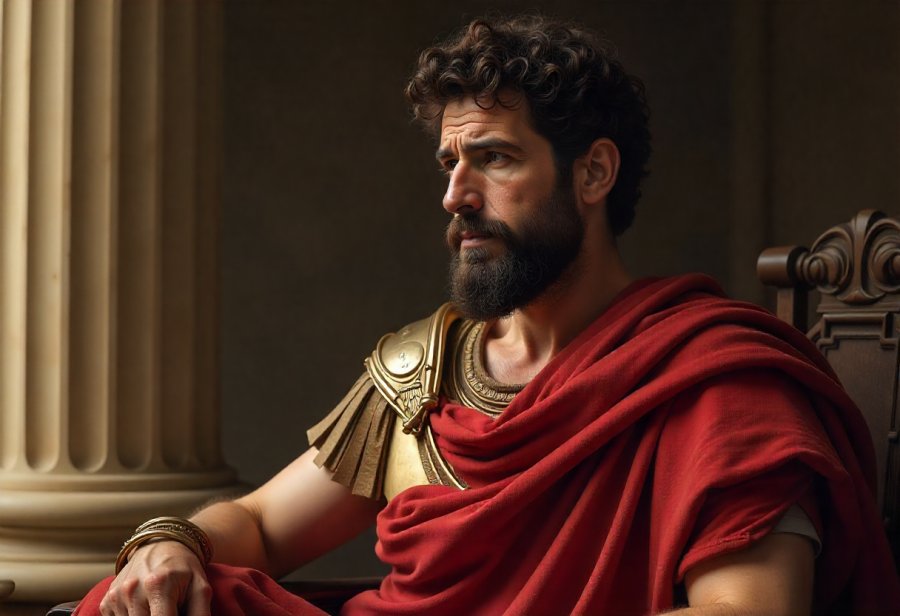
Inner Discipline as the True Source of Strength: Lessons from Marcus Aurelius
When we picture strength, it’s easy to think of muscle, titles, or external victories—things we can see and measure. But history and philosophy challenge that view, suggesting the deepest form of strength isn’t about what’s on the outside. Instead, it’s about how well we govern ourselves—our inner discipline, resilience, and moral clarity. Marcus Aurelius exemplifies this idea. As a Roman emperor and Stoic philosopher, he demonstrated that true leadership begins within, rooted in mastering the mind and emotions rather than conquering lands or accumulating riches.
Despite wielding immense political and military power, Marcus believed that real strength came from self-control and moral integrity. His writings in Meditations reveal a man committed to patience, humility, and discipline—traits that held firm even amid chaos. His life shows that leadership grounded in inner virtues can be more enduring than external success. Facing wars, plagues, and political upheaval, he stayed true to his philosophical principles, illustrating that resilience and moral strength are the foundation of authentic power.
This perspective shifts our focus from external accomplishments to internal mastery. In today’s world, we often chase validation through achievements or possessions, but these are fleeting. Inner strength, by contrast, is a steady anchor—something that remains firm regardless of circumstances. Marcus’s example invites us to ask whether the most influential leaders aren’t those who first master themselves, who can remain calm and wise when external pressures mount. It’s a reminder that true power isn’t about dominance but about inner discipline and moral clarity.
The idea that inner discipline is the true source of strength challenges modern notions of leadership and success. It suggests that lasting influence comes from cultivating resilience and virtue within, rather than relying solely on external achievements. Marcus’s life shows us that internal mastery—self-control, patience, humility—creates a foundation that can withstand any storm. His example pushes us to reconsider what it truly means to be strong and to recognize that the greatest power begins with mastery over oneself.
Marcus Aurelius: The Philosopher-King in a Turbulent Empire
Marcus Aurelius reigned as Roman Emperor from 161 to 180 AD, a period marked by both relentless military challenges and internal crises. Known as one of the “Five Good Emperors,” his leadership stood out because he governed with a sincere sense of duty, justice, and moral integrity. Unlike many rulers whose power was rooted in conquest or wealth, Marcus’s approach was deeply influenced by Stoic philosophy, which he practiced even amid the pressures of ruling a vast empire. His personal reflections in Meditations reveal a man constantly striving for wisdom, self-control, and resilience.
Throughout his reign, Marcus faced ongoing warfare, particularly along the Danube frontier against Germanic tribes. These military campaigns tested his strategic skills and patience. At the same time, devastating plagues swept through the empire, threatening the health and stability of his people. Despite these crises, Marcus prioritized inner virtues over external displays of power. His leadership was shaped by the Stoic belief that true strength comes from within—through moral clarity, patience, and self-discipline—rather than external dominance.
From a young age, Marcus was immersed in Stoic teachings, influenced by philosophers who emphasized virtue and rationality. Witnessing the fragility of life during epidemics and wars reinforced his conviction that inner resilience was essential for effective leadership. His early education laid a foundation of humility, discipline, and philosophical reflection. Even in moments of chaos, he maintained a calm, measured demeanor—traits that distinguished him from many of his contemporaries and helped him steer the empire through turbulent times.
A pivotal moment came with the outbreak of the Antonine Plague, which struck Rome and its provinces hard. Instead of succumbing to despair, Marcus relied on his Stoic training to accept the situation and focus on his responsibilities. His reflections during this period highlight patience and moral clarity, showcasing how internal resilience can sustain a leader in times of crisis. Additionally, his decision to adopt his son Commodus as his successor reflected his confidence in his internal virtues and his desire for stability rooted in character.
Marcus juggled military campaigns, governance, and personal reflection with remarkable composure. He saw himself as a steward of justice, acting with humility and patience even when external circumstances demanded quick action. His ability to stay grounded in Stoic principles allowed him to lead with calm authority, earning respect not just for his military successes but also for his moral steadfastness. This internal strength became a defining feature of his legacy as a philosopher-king.
His life exemplifies how internal virtues can shape external outcomes. Marcus’s commitment to self-control, wisdom, and resilience made him a leader who navigated crises with clarity and purpose. His example demonstrates that authentic leadership isn’t about external conquests but about mastering oneself amid adversity. This internal focus created a legacy rooted in virtue, one that endures beyond fleeting victories and external accolades.
Marcus Aurelius’s leadership continues to resonate today because it shows that true power arises from within. His example urges us to view inner resilience and moral clarity as essential qualities for effective leadership. By cultivating these virtues, we can face our own challenges with calm, humility, and strength—qualities that define genuine influence and lasting impact.
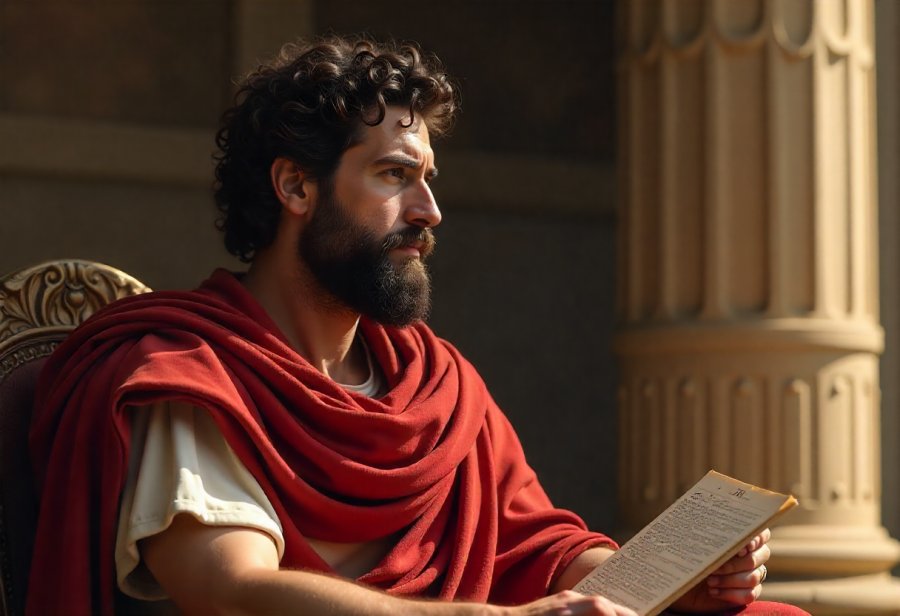
Stoic Foundations: Cultivating Inner Virtue for Lasting Power
At the heart of Stoic philosophy lies the belief that true strength isn’t found in external achievements or physical power, but in cultivating virtues within ourselves. Self-control, rationality, and acceptance form the foundation of this internal discipline. Stoics teach that many of our troubles—fear, anger, frustration—stem from reactions to events beyond our control. Instead of trying to change the world, they advise us to master our responses, aligning our thoughts and emotions with reason and virtue. Marcus Aurelius’s Meditations is filled with reminders to govern his mind and resist impulsive feelings, recognizing that inner mastery allows us to face life’s setbacks with calm and clarity.
Inner strength begins with governing thoughts. When external circumstances threaten to overwhelm us, Stoics view them as indifferent—neither good nor bad. What truly matters is how we interpret and respond. Developing this resilience requires consistent effort: daily reflection on our values, resisting fleeting temptations, and practicing patience. Think of strength as a muscle that grows stronger through deliberate practice, not through external validation or material gains. Marcus’s writings emphasize that cultivating a disciplined mind is crucial for maintaining moral integrity amid chaos.
This shift from external success to internal virtues transforms leadership and personal growth. A leader guided by Stoic principles doesn’t react impulsively but remains steady, acting with wisdom and humility. This internal resilience doesn’t mean suppressing emotions but understanding and managing them. Marcus exemplified this by regularly reminding himself to accept what he couldn’t change and to act virtuously, regardless of external pressures. Such internal discipline creates a mental fortress that withstands chaos and inspires trust through authenticity.
Today’s leaders echo these ancient ideas, emphasizing emotional intelligence, self-awareness, and moral clarity. As external markers of success lose their allure, inner virtues become more valuable. Leaders who embody calm, disciplined minds demonstrate that resilience and moral virtue are the true foundations of lasting influence. Cultivating inner strength through self-control and rationality isn’t a philosophical luxury anymore; it’s a practical necessity. When leaders govern themselves first, their actions naturally command respect rooted in integrity rather than bravado.
The debate over what constitutes real power—external conquest or internal virtue—remains relevant. While external achievements can impress, they often fade. Inner discipline, built through consistent effort, provides a resilient core that endures beyond fleeting victories. It’s about mastering oneself first, so external success becomes a reflection of moral strength, not superficial dominance. For Marcus Aurelius, this inner strength was the true measure of leadership—and a timeless lesson for anyone seeking genuine influence.
Practicing Inner Discipline: Practical Steps to Lead with Calm and Clarity
Building inner discipline starts with small, intentional steps that seamlessly fit into daily life. Journaling is a simple yet powerful habit—spending a few minutes each day reflecting on your actions, thoughts, and emotional reactions helps identify patterns and triggers. Over time, this practice sharpens self-awareness and reinforces your commitment to growth. Pairing journaling with mindfulness or meditation, even for just a few minutes, trains your mind to stay present and respond thoughtfully rather than impulsively, strengthening emotional resilience.
Setting manageable goals is another effective approach. Practice resisting temptations, responding patiently in frustrating moments, or pausing before reacting to stress. These small victories gradually build your self-control muscle, making it easier to handle larger challenges over time. Applying philosophical principles in leadership means actively listening, practicing humility, and making decisions rooted in integrity. When faced with tough choices, take a moment to reflect on your core values and consider the long-term impact instead of chasing quick wins or external approval.
Regular reflection on your experiences, especially setbacks, helps you learn and adapt. Instead of harsh self-criticism, view mistakes as opportunities for growth, reinforcing patience and perseverance. A short evening review of what went well and what could improve turns discipline into a daily habit. Incorporate breathing exercises or brief mindfulness moments during hectic days to stay grounded and maintain clarity amid chaos. These small routines create a mental armor that supports consistent inner growth.
In leadership, inner discipline manifests in how you handle pressure and setbacks. When facing a team failure, instead of reacting impulsively with frustration or blame, pause, assess, and respond with calmness and clarity. This not only resolves issues more effectively but also models resilience for others. During crises, maintaining composure transforms challenges into opportunities for growth, demonstrating that true authority stems from self-mastery first.
Be prepared for setbacks along the way. Expect progress to be gradual, and when frustration arises, practice self-compassion to keep motivation alive. Flexibility is key—rigid routines can cause stress, while adaptable discipline allows quick recovery and keeps you aligned with your long-term goals. Support tools like reflection journals, meditation apps, or Stoic exercises can reinforce your practice, making inner discipline a natural part of your leadership and daily life.
By integrating these habits into your routine, you build a resilient mind that responds with wisdom rather than impulse. Over time, this consistent effort develops a foundation of mental fortitude, enhancing decision-making and emotional control. As inner strength deepens, you’ll lead more authentically and inspire others through your example. Cultivating inner discipline isn’t a one-time effort; it’s a continuous journey that shapes character and empowers genuine influence.
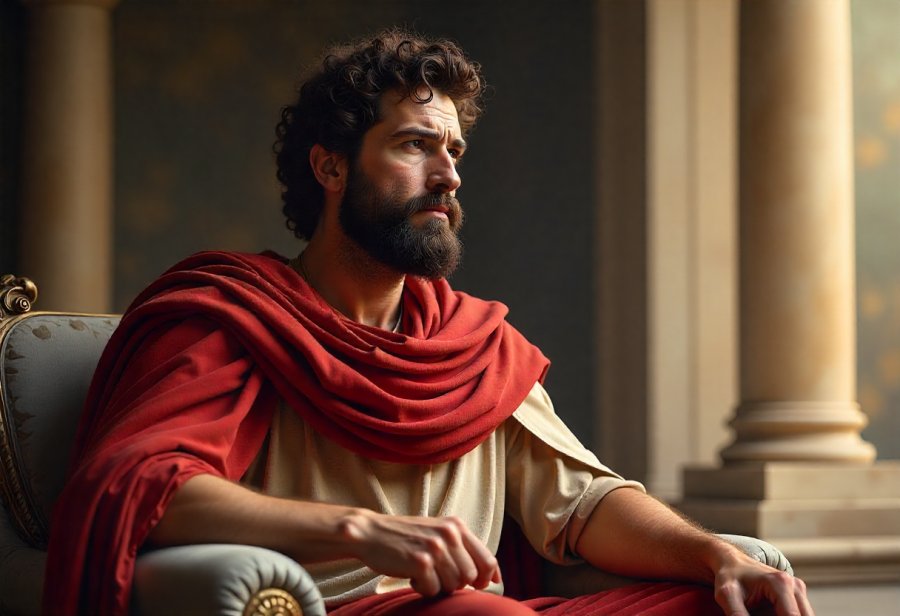
Embracing Inner Strength: Building Resilience for Authentic Leadership
Inner discipline is the foundation of genuine strength, especially for leaders seeking to influence with authenticity and resilience. Marcus Aurelius’s life exemplifies how cultivating self-control, wisdom, and mental fortitude allows us to navigate challenges with clarity and purpose. When inner virtues take precedence over external accomplishments, leadership becomes more sustainable and impactful. True strength isn’t measured by conquest or material gains but by how well we govern ourselves in difficult times. This shift from external success to internal virtue creates a more authentic and lasting form of power that earns trust and respect.
Prioritizing inner discipline builds a resilience capable of withstanding life’s inevitable setbacks. Marcus’s example reminds us that real strength is an ongoing process—developed through daily effort, reflection, and moral clarity. Acting with humility, patience, and consistency, even when circumstances tempt us to react impulsively, strengthens our inner core. When leaders focus on mastering their thoughts and emotions, they foster an environment of calm and stability that others naturally follow. Inner discipline becomes a quiet but powerful force shaping character more than any external victory ever could.
This perspective encourages us to see setbacks not as failures but as opportunities for growth. Developing inner strength is a long journey demanding patience and self-compassion. When doubts or frustrations arise, returning to core principles like humility, patience, and self-awareness keeps us grounded. Each small effort adds up, gradually reinforcing the resilience needed to lead authentically and effectively. Consistent practice makes the cultivation of inner virtues a natural part of daily life, helping us respond thoughtfully rather than impulsively.
Building this inner resilience transforms how we approach leadership and life. It’s about aligning daily actions with moral clarity and emotional stability, creating a foundation that can support us through any challenge. As virtues deepen, we become more adaptable, more patient, and more committed to long-term growth. This internal strength becomes an unshakeable anchor in a turbulent world, guiding us to lead with authenticity and purpose. By making inner discipline a priority, we leave a legacy rooted in virtue rather than fleeting victories.
Ultimately, the path to true strength starts within. Marcus Aurelius’s example shows that self-mastery and inner discipline are the greatest assets we can develop. Focusing inward cultivates qualities that withstand external chaos and inspire others to follow our example. Making inner discipline a daily practice isn’t just a personal choice; it’s a leadership strategy that creates lasting influence rooted in virtue, resilience, and wisdom. In this way, real power becomes not just a fleeting achievement but a steady, enduring force that shapes character and legacy.