Imagine transforming water from a source of fear into a symbol of confidence and freedom—regardless of age. How can a simple first step into the pool unlock a lifetime of joy, safety, and resilience? This inspiring journey reveals that learning to swim is more than acquiring a skill; it’s about overcoming mental barriers, fostering patience, and celebrating small victories. Whether a child splashes gleefully or an adult conquers long-held fears, each milestone builds trust in oneself and opens doors to new adventures. The process highlights the vital role of community and education in making water safety accessible for all, creating a ripple effect that benefits families and neighborhoods. With perseverance, water becomes a safe haven and a catalyst for personal growth, transforming lives not just in pools but in everyday confidence—making the question: why wait to embrace the freedom that comes with water confidence?
Transforming Fears into Confidence: Your Water Journey Begins
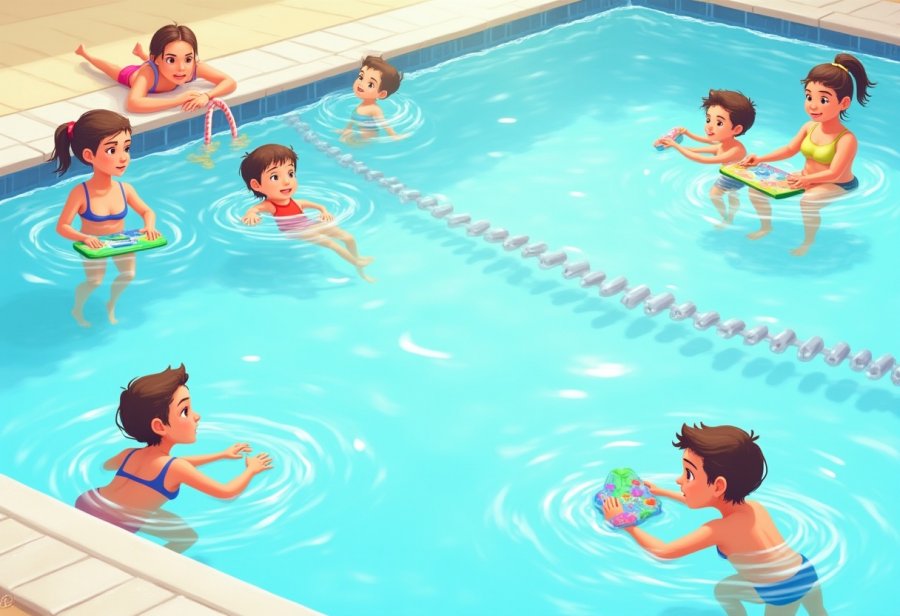
Learning to swim is more than just picking up a new skill—it’s a journey that can reshape how we see ourselves and our abilities. For many, the water begins as a source of hesitation or fear, especially if past experiences have been intimidating. But taking that first step into the pool, regardless of age, is a bold act of courage. It’s about pushing past doubts and discovering a space where confidence can grow. Starting this process might feel daunting, but every small victory builds momentum. Whether it’s splashing in shallow water or floating with support, each moment of progress helps you trust your body and relax in the water. Over time, these steps turn fear into freedom, transforming water from a source of anxiety into a place of joy. This initial phase lays the groundwork for developing skills, overcoming misconceptions, and embracing water as a safe, enjoyable environment. Remember, everyone’s pace is different—patience and persistence are your best allies on this rewarding journey.
Developing Skills and Building Confidence at Any Age
Building swimming skills and confidence develops gradually, and everyone progresses at their own pace. For children, starting with simple water familiarization—like blowing bubbles, floating, and kicking—creates a solid foundation. As they grow more comfortable, they can move on to more advanced skills such as proper strokes and safe diving. Adults often focus on overcoming specific fears or mastering basics like floating or basic freestyle, with patience and consistent practice being key. Celebrating small wins, like floating unaided or swimming a few strokes, boosts motivation and reinforces progress. Learning isn’t about perfection but steady improvement. Respecting your pace and practicing regularly helps foster a genuine, lasting connection with water. Over time, these small achievements build confidence and make water a safe, enjoyable space. The journey of developing water skills is about embracing progress, not speed, and enjoying each step forward.
Overcoming Common Challenges and Debunking Myths
Many people believe that swimming is only for kids or that adults are too old to start, but that’s simply not true. These misconceptions create mental barriers that make it harder to even try. Another common myth is that water fears can’t be overcome or that struggling early on means you’re not cut out for swimming. Such thoughts can lead to frustration and discourage persistence. Rushing lessons or comparing yourself to others often only heightens anxiety rather than building confidence. It’s normal to feel nervous or struggle with breathing and coordination at first—that’s part of the process. Recognizing setbacks as temporary helps keep motivation alive. Progress is about small, steady steps, not perfection. Patience, self-compassion, and consistent practice are key. Overcoming these misconceptions opens the door to a rewarding journey where water becomes a safe, enjoyable space rather than a source of fear.
Water Confidence as a Lifeline: Safety, Health, and Joy
Being confident in the water isn’t just about having fun; it’s a vital safety skill. Imagine slipping into a pool or lake unexpectedly—knowing how to float or stay calm can prevent panic and help you reach safety faster. These skills become crucial in emergencies, turning fear into a tool for survival.
Beyond safety, water confidence supports your health. Swimming offers a gentle, full-body workout that boosts cardiovascular health, flexibility, and strength without stressing your joints. Whether playing with kids or exploring water sports, these skills make every activity safer and more enjoyable.
Feeling comfortable in water also opens doors to outdoor adventures like snorkeling or kayaking. This sense of freedom encourages exploration and builds resilience. It transforms water from a potential hazard into a space for growth, discovery, and fun.
Socially, being able to swim comfortably makes gatherings more inclusive. Pool parties or beach trips become relaxed opportunities for connection, not sources of anxiety. Water confidence fosters a sense of belonging and shared joy.
Having these skills in your toolkit means you’re prepared for unexpected situations—saving lives and preventing accidents. Simple techniques like treading water or floating can make all the difference in emergencies, giving you peace of mind.
On a mental level, mastering water skills reduces stress and cultivates calm. The focus required to learn and practice builds mindfulness, and the sense of achievement boosts confidence beyond the pool. It’s a holistic boost for body and mind.
Everyday activities become easier and more fulfilling. Whether helping children cross shallow streams or taking a refreshing dip on a hot day, water skills add safety and fun to daily life. They empower you to embrace water with confidence and joy, enriching your lifestyle in countless ways.
Everyday Water Skills: Enhancing Safety and Fun
Knowing how to swim makes everyday situations safer and more manageable. For instance, if someone accidentally falls into a pool or lake, having basic water skills allows you to stay calm and avoid panic, increasing the chances of reaching safety quickly. These moments highlight that water confidence isn’t just for recreation—it’s a crucial safety skill everyone should have.
Swimming also encourages outdoor activity. Whether wading through a shallow stream or taking a quick dip at the beach, feeling comfortable in water opens up new opportunities for fun and adventure. Parents especially benefit, as confident swimmers can supervise children more effectively around water.
Being able to swim comfortably turns social gatherings into more inclusive experiences. Pool parties and beach trips become relaxed, joyful occasions rather than stressful events for those with water fears. It helps everyone participate and connect without hesitation.
Having water skills in your daily life means you’re prepared for unexpected situations, like helping a family member or responding to a fall. These simple abilities build trust in yourself and create peace of mind.
Beyond safety, water confidence also boosts mental well-being. The calming nature of water and the satisfaction of learning new skills reduce stress and improve mood. It’s a holistic benefit that enriches daily life.
Ultimately, water skills transform ordinary moments into safe, enjoyable experiences. They empower you to embrace water confidently, turning potential hazards into opportunities for health, fun, and connection every day.
How Schools and Communities Promote Water Safety for All
Schools and community centers play a crucial role in making water safety and swimming education accessible to everyone. Many schools include swimming lessons in their physical education programs, giving children an early foundation in water skills and safety awareness. These programs help build confidence while instilling lifelong habits of respect and caution around water. Community centers often offer affordable or free classes for all ages, breaking down barriers for adults who may feel hesitant or unsure about learning later in life. Public policies, such as mandatory swimming lessons in schools or strict pool safety standards, reinforce a culture that values water education. When communities prioritize these efforts, they create an environment where learning to swim is normalized and encouraged, reducing accidents and saving lives. By fostering partnerships between educational institutions and local organizations, more people can develop water confidence in a safe, supportive setting. This collective approach helps cultivate a culture of safety and inclusion around water, benefiting individuals and communities alike.
Proven Benefits: Data Supporting Swimming at Any Age
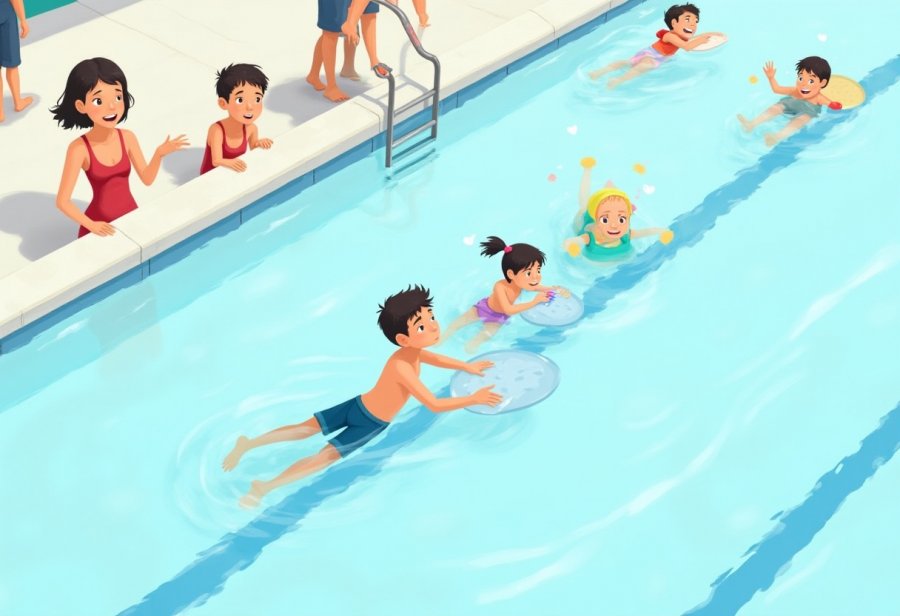
Research consistently shows that learning to swim at any age delivers real health and safety benefits. Adults who take up swimming often experience improvements in cardiovascular fitness, flexibility, and muscle strength, comparable to other low-impact exercises. These physical gains are especially valuable for those managing joint issues or mobility challenges, making water an accessible way to stay active.
Safety data confirms that individuals with swimming skills are significantly less likely to be involved in water-related accidents. This underscores how building water confidence can be a life-saving skill, not just a recreational one. Many lifelong swimmers also report enhanced mental well-being, experiencing reduced stress and greater happiness.
The evidence makes it clear: it’s never too late to start. Developing water skills can lead to lasting improvements that benefit both body and mind, empowering you to enjoy water safely and confidently for years to come.
Beyond the Pool: Mental Health and Social Confidence Gains
Learning to swim offers benefits that go beyond just acquiring water skills. Gaining confidence in the water can significantly boost mental health by reducing stress and anxiety. The calming sensation of floating and the focus needed to learn new techniques create a soothing experience that lifts mood and builds resilience.
Engaging in aquatic activities also fosters social connection. Group lessons, swimming with friends, or community events encourage interaction and help develop social confidence. These positive experiences reinforce a cycle where water confidence enhances emotional well-being, making it easier to handle daily challenges.
As skills improve, many find they develop a greater sense of patience and perseverance, valuable traits that translate into other areas of life. Over time, this emotional strength fosters a more balanced outlook and a stronger sense of self. The confidence built in water often spills over into everyday life, empowering individuals to face obstacles with calm and resilience.
A Lifelong Voyage: Embrace Your Water Confidence Today
Learning to swim is more than acquiring a new skill; it’s a transformation that ripples through every aspect of life. When you conquer your water fears, you reshape how you see yourself—more capable, resilient, and confident. This sense of achievement often sparks a desire to explore new adventures, from paddling in a lake to trying out water sports, opening doors you might have thought closed. Each step forward builds trust in your abilities and fuels a sense of independence that lasts long after the initial lessons.
The journey doesn’t end once you’ve taken that first brave plunge. It’s a lifelong process of growth, where patience and persistence turn small victories into lasting confidence. Over time, water becomes a place of joy and freedom, not fear. Sharing these experiences can inspire others around you to embrace their own water confidence, creating a community rooted in safety, support, and shared adventure.
Remember, it’s never too late to start. Every effort you make today plants the seeds for a future filled with possibility and resilience. Your water confidence journey is a gift—one that enriches your life and empowers you to face challenges with calm and strength.
Key Lessons from Your Water Confidence Journey
Learning to swim is a journey rich with lessons that extend beyond just acquiring water skills. Each small milestone, whether floating unaided or swimming a few strokes, proves that progress is possible at any age. These moments build confidence and show that setbacks are simply part of the process, not signs of failure. Patience and consistent effort turn initial fears into lasting abilities, fostering a positive mindset that values steady growth over perfection.
This journey emphasizes that water confidence isn’t about speed but persistence. Every experience, good or challenging, becomes an opportunity to learn resilience. As skills develop, the sense of mastery grows, inspiring a deeper connection with water and a willingness to explore new adventures. The lessons of patience, self-compassion, and perseverance learned in the pool can transform how we approach challenges in all areas of life.
Building water confidence also highlights the importance of celebrating small wins. Recognizing progress keeps motivation high and reinforces the idea that mastery is a gradual process. This mindset encourages individuals to keep trying, knowing that each step forward is a victory worth acknowledging.
The cumulative effect of these lessons creates a foundation of trust—not just in water, but in oneself. Overcoming fears and embracing growth fosters resilience that spills over into everyday life, empowering us to face obstacles with calm and confidence. The journey of learning to swim becomes a metaphor for lifelong personal development, reminding us that persistence and patience lead to meaningful change.
In the end, water confidence is about more than just safety or skill; it’s about transforming fears into freedom and self-doubt into assurance. The lessons learned in the water—patience, perseverance, self-belief—become tools for resilience that benefit every aspect of life. This ongoing journey nurtures a mindset that embraces challenges as opportunities, fostering growth long after the first splash.
The Lifelong Impact of Conquering Water Fears
Overcoming water fears can have a profound and lasting impact that reaches far beyond the pool. When someone finally masters the ability to stay calm and move confidently in water, it shifts their self-image from anxious to capable. This boost in confidence often sparks a more adventurous outlook, encouraging activities like kayaking, snorkeling, or open-water swimming that were once intimidating. These experiences deepen their connection to nature and foster independence, breaking down mental barriers built by fear.
Many lifelong learners describe how conquering their water anxieties gave them a renewed sense of freedom and resilience. This transformation influences daily life, helping individuals face challenges with patience and a calmer mindset. The emotional strength gained creates a ripple effect, empowering not only the individual but inspiring others in the community to pursue water safety and confidence. The lasting legacy is a more inclusive, confident, and resilient community where water becomes a source of joy and growth, enriching lives for years to come.
Your Next Steps: Start or Enhance Your Swimming Journey
Ready to start or boost your swimming journey? Begin with small, achievable goals that build confidence step by step. Sitting by the pool and getting comfortable with the surroundings can be your first move, easing anxiety and creating a positive mindset. Once at ease, try floating with support or splashing gently in shallow water—these simple actions help break down fears and mark progress.
Enrolling in beginner classes or finding a patient instructor can make a big difference. Look for someone who understands your hesitations and can guide you patiently through each stage. Practice regularly, even just a few minutes weekly, to reinforce your skills and build consistency. Celebrate every milestone, no matter how small—each one brings you closer to water confidence.
Stay patient and kind to yourself throughout this process. Progress may take time, but persistence is key. Remember, every effort counts, and your comfort in water is worth the effort you invest today. Starting now sets the foundation for a lifelong relationship with swimming that’s safe, enjoyable, and empowering.
Creating a Lasting Legacy of Water Confidence for All
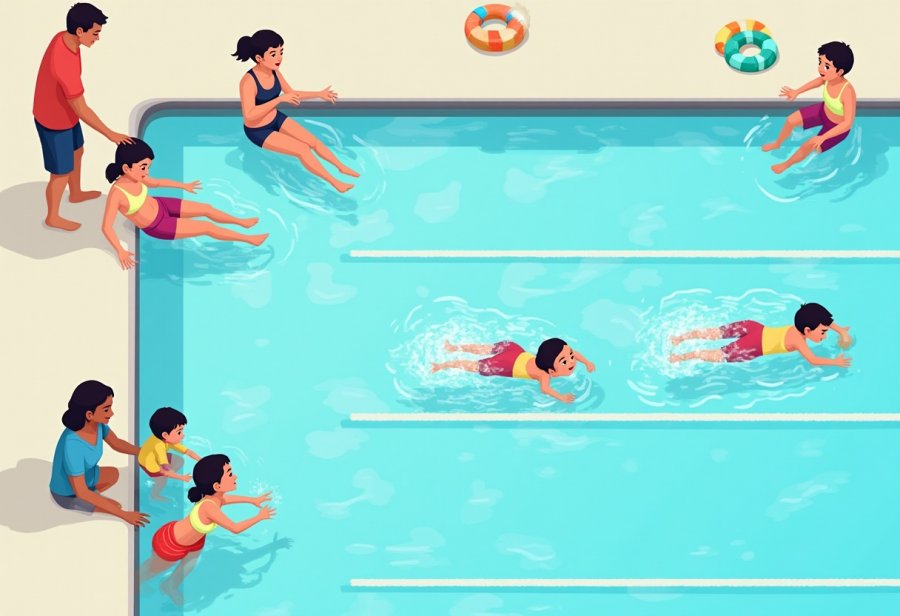
Embracing water confidence creates a lasting ripple that benefits both individuals and communities. When more people feel safe and capable in water, safety becomes a shared priority, reducing accidents and saving lives. Families that learn together often strengthen bonds, passing on skills and confidence to future generations. Schools and local programs that promote accessible swimming help break down social barriers, making water safety inclusive for everyone. This collective effort fosters a culture where water activities are embraced with responsibility and joy. As individuals gain confidence, they inspire others to follow suit, creating a cycle of growth and resilience. Over time, these community-wide gains cultivate a safer, more connected environment where water becomes a source of empowerment, adventure, and lifelong well-being. The legacy of fostering water confidence is one of inclusion, strength, and shared progress that enriches lives across generations.