Underground street racing is more than just high-speed thrills; it’s a vibrant subculture rooted in loyalty, brotherhood, and shared passion. From rebellious origins in post-war California to a global phenomenon, this community thrives on secrecy, technical mastery, and unbreakable bonds forged through late-night races and technical exchanges. Today’s scene blends tradition with cutting-edge technology—encrypted messaging, digital tuning, and social media—allowing racers to organize clandestine events while maintaining their rebellious spirit. Cars become symbols of identity, craftsmanship, and pride, turning race nights into rituals of trust and camaraderie. Despite legal pressures and safety challenges, the core values of loyalty and mutual support sustain the scene, transforming fleeting adrenaline into lifelong friendships. Could this underground culture endure amid increasing restrictions? As it evolves through innovation and digital connectivity, the unbreakable bonds of brotherhood promise to keep the spirit of underground racing alive beneath the city lights.
Underground Racing: A Culture Fueled by Speed and Camaraderie
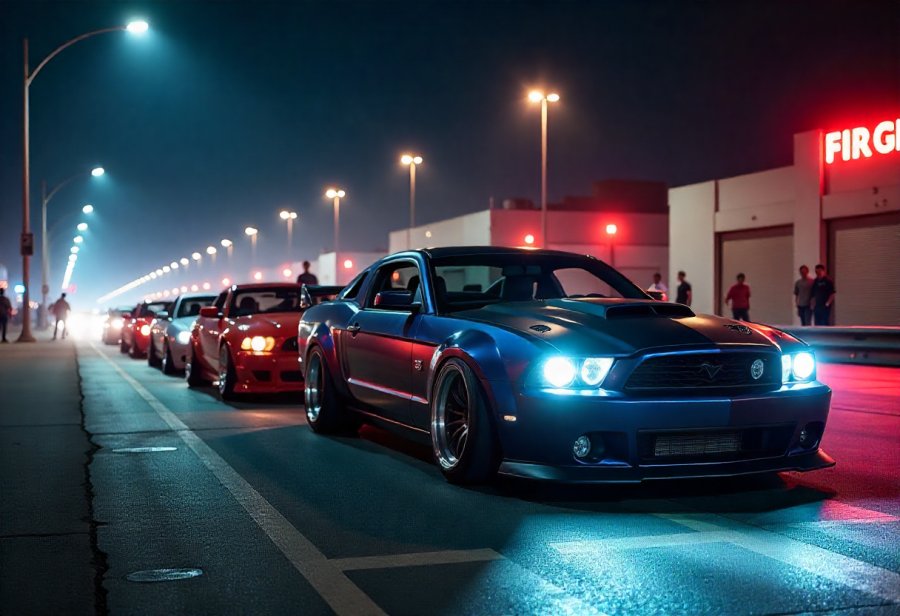
Underground street racing isn’t just a reckless thrill—it’s a vibrant, underground culture that pulses with energy and camaraderie. It all starts with a shared passion for cars and speed, born from nights spent challenging friends on quiet, deserted streets. Over time, these spontaneous meets grew into a tight-knit community where loyalty and respect are the currency that keeps everything moving. The scene is electric—engines roar, tires squeal, and the darkness adds a layer of secrecy that only fuels its rebellious spirit.
What makes underground racing truly compelling is the sense of belonging it creates. Drivers see each other less as rivals and more as family, bonded through shared risks and adrenaline-fueled moments. These bonds are forged in late-night runs, technical exchanges, and the unspoken trust that everyone will have each other’s back when danger lurks. The community’s strength lies in this brotherhood—an unbreakable connection rooted in loyalty and mutual support.
Cars are more than mere transportation; they’re symbols of identity and craftsmanship. Racers spend hours tuning engines, customizing paint jobs, and designing body kits to stand out. Every modification is a statement—an expression of personality and technical skill. During clandestine races, these vehicles become moving artworks, showcasing pride and individuality. Nighttime racing adds an intimate, almost ritualistic layer to the experience, reinforcing the sense of kinship within the scene.
Historically, street racing emerged from post-war California, where young enthusiasts pushed their limits in secret, rebellious meets. Over decades, it evolved into an organized subculture characterized by loyalty, innovation, and secrecy. Films like “The Fast and the Furious” brought wider attention, but beneath the glamor lies a core of authenticity—respect for skills, a passion for speed, and a deep sense of community that persists despite legal crackdowns.
Today, technology continues to shape the scene, with encrypted apps, GPS tracking, and digital tuning keeping racers connected and ahead of law enforcement. These tools help organize races, share innovations, and maintain the scene’s clandestine identity. Despite facing legal and safety challenges, the culture endures because it’s driven by genuine passion and the bonds forged through shared experiences, technical mastery, and mutual loyalty.
In essence, underground street racing is more than a pursuit of speed—it’s a social fabric woven with trust, secrets, and brotherhood. It transforms fleeting moments of adrenaline into lifelong friendships and a sense of belonging that’s hard to find elsewhere. The scene’s resilience lies in its ability to adapt and evolve while staying true to its core values of loyalty, craftsmanship, and community. This culture, born from rebellion and passion, continues to thrive beneath the city lights, fueled by the unbreakable bonds of those who live for the race.
From Rebel Beginnings to Organized Underground Scene
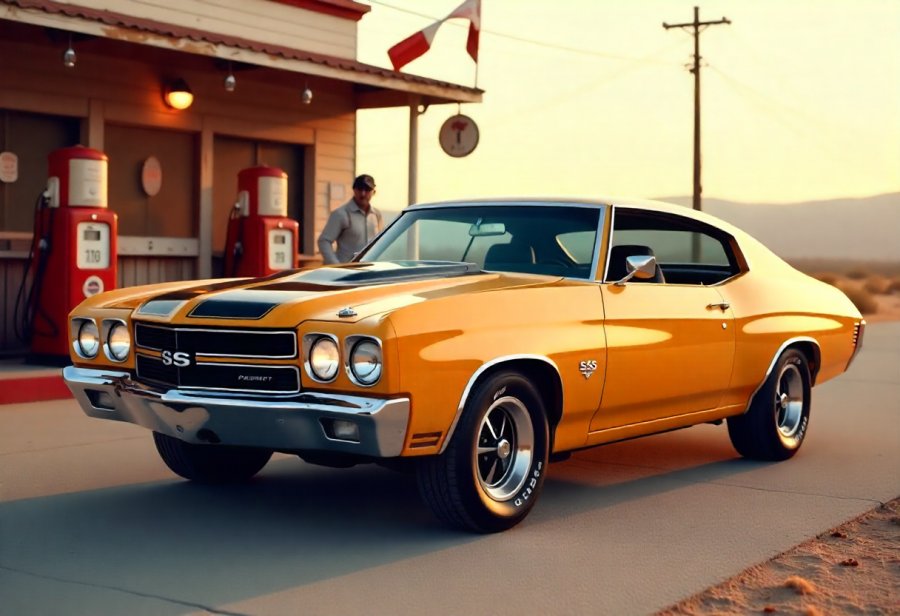
Street racing’s roots stretch back to post-war California, where a new car culture was taking shape among young enthusiasts eager to challenge limits. In those early days, races weren’t organized events but spontaneous gatherings on quiet, deserted streets. Drivers would line up their cars, challenge each other to quick sprints, and push their vehicles to the edge—all driven by adrenaline and a desire to stand out. Muscle cars, hot rods, and modified street machines became symbols of rebellion, with each race serving as a personal expression rather than an official contest.
As the scene grew, it naturally transitioned into something more organized. Crews formed to protect their turf and uphold traditions, creating a sense of community and shared identity. By the 1980s and 90s, underground racing was a staple of urban life, often happening in industrial zones or on backroads at night. Customization became a key part of this evolution—racers turbocharged engines, lightweighted their builds, and crafted eye-catching paint jobs to turn heads and showcase their skills.
Media played a pivotal role in shaping perceptions, especially with films like “The Fast and the Furious,” which spotlighted the glamour, technical mastery, and brotherhood of underground racers. This exposure drew in a broader audience, inspiring new generations to dive into the scene. However, it also attracted increased attention from law enforcement and city officials, who saw it as a growing problem. Despite these pressures, the core values of authenticity—secrecy, respect, and technical expertise—remained central to the culture.
Technological advances reshaped how racers organized and executed their events. Smartphones and encrypted messaging apps became essential tools for coordinating clandestine races, planning escapes from police, and sharing technical tips. Car tuning also advanced, with digital remapping and lightweight materials giving racers a competitive edge. These innovations helped keep the scene more connected and harder to crack down on, even as authorities intensified their crackdowns.
Regional differences added distinct flavors to the evolution of underground racing. In Japan, for instance, the scene is renowned for highly modified cars and mountain pass battles called touge, emphasizing precision and technical skill. Across Europe, urban circuits and sleek sports cars reflect local styles and attitudes toward risk. California’s diverse scene blends muscle cars with tuners, embodying a rebellious spirit that continues to influence global street racing culture.
Throughout its history, underground racing has demonstrated resilience. Racers continually develop new tech, from GPS tracking to encrypted communication, to stay ahead of law enforcement. Loyalty and trust underpin these efforts, fostering tight-knit crews that support each other through technical challenges and legal threats. These bonds often extend beyond racing, forming lifelong friendships rooted in shared passion and mutual respect.
Despite ongoing legal and safety challenges, underground street racing persists because of its deep-rooted sense of community and innovation. It’s a culture that adapts, evolves, and endures—driven by a desire to push limits and forge unbreakable bonds. From its humble, rebellious beginnings to its modern, tech-savvy scene, underground racing remains a symbol of youthful defiance, craftsmanship, and brotherhood that continues to thrive beneath the city lights.
Technology and Trends Reshaping Modern Street Racing
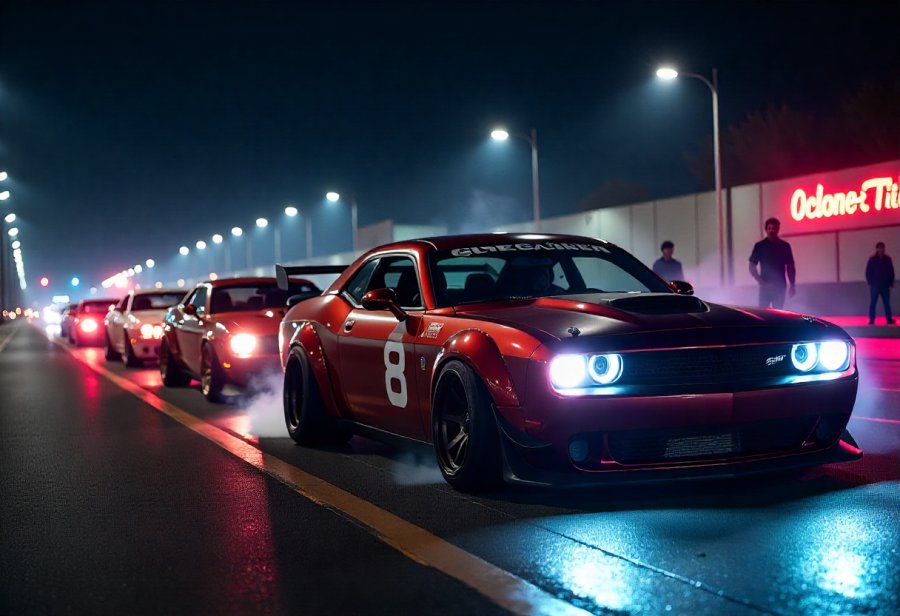
Today, underground street racing looks very different from its roots, thanks largely to advancements in technology that help keep the scene connected and organized. Racers now depend heavily on smartphones and encrypted messaging apps to coordinate races, share locations, and communicate in real-time. This digital planning makes it harder for law enforcement to catch them in the act, but it also fosters a sense of community that spans borders. GPS tracking, digital tuning tools, and online platforms allow racers to fine-tune their cars with precision, giving them an edge while maintaining the secrecy needed to stay ahead of authorities.
Car modifications have become more sophisticated and creative than ever before. Today’s racers employ turbochargers, lightweight materials, and digital remapping to maximize performance. These upgrades aren’t just about raw speed—they’re expressions of craftsmanship and personality. Custom paint jobs, LED lighting, and unique body kits turn street cars into moving works of art. This obsession with personalization keeps the scene vibrant and visually engaging, even within the shadows. The desire to stand out fuels innovation and technical mastery, making each vehicle a reflection of its owner’s identity.
Social media plays a vital role in shaping the modern underground racing scene. Platforms like Instagram, TikTok, and YouTube give enthusiasts a way to showcase their builds, share race highlights, and connect globally. These spaces foster pride and camaraderie, allowing racers to celebrate their skills beyond local circles. Despite the illegal and secretive nature of their activities, online communities reinforce a sense of belonging and collective purpose. They help organize clandestine events and maintain the scene’s vitality, even as authorities tighten restrictions.
While law enforcement efforts have increased, the scene endures because of its deep-rooted passion and brotherhood. Many crews adopt safety measures like helmets or remote racing locations to balance adrenaline with caution. The resilience of underground racing stems from shared experiences—evading police, technical innovation, and mutual support—that create strong bonds. These relationships often go beyond racing, forming lifelong friendships built on trust, secrecy, and respect. The community’s strength lies in its ability to adapt, innovate, and uphold its core values amid external pressures.
Regional influences continue to shape how underground racing manifests today. In Japan, mountain pass battles called touge emphasize precision and technical skill, while European scenes focus on urban circuits and sleek sports cars that highlight style and finesse. California remains diverse, blending muscle cars with tuner culture and rebellious attitudes. Each local flavor enriches the global scene, demonstrating how culture, environment, and attitude influence the way racers connect and compete. Despite ongoing challenges, the core spirit—loyalty, craftsmanship, and camaraderie—remains unchanged.
Looking ahead, underground street racing will likely continue to evolve, balancing its rebellious roots with new safety and legal considerations. Technological innovations will play a key role, making clandestine races safer and more organized without losing their underground essence. Digital tools and social platforms will keep the community vibrant and connected, fostering a new generation of passionate enthusiasts. As long as the core values of trust and brotherhood endure, this culture will adapt and thrive, transforming risks into bonds and speed into lifelong loyalty.
Loyalty, Identity, and Bonds in the Underground Community
Street racing is more than just a rush of adrenaline; it’s a powerful social fabric that forges deep bonds among those involved. The core of this culture lies in loyalty and trust, built through shared experiences and mutual respect. When racers pull off late-night runs or face danger together, those moments become the foundation of lasting friendships. It’s in these high-stakes situations that relationships are tested and strengthened, turning a group of drivers into a close-knit family.
Loyalty runs deep in underground racing. Racers depend on each other to keep secrets, support technical needs, and stand by one another in risky situations. Success isn’t just about winning; it’s about showing up for your crew when it counts most. This reliance fosters a camaraderie rooted in collective pride and shared risks. Over time, these bonds grow into a sense of kinship that extends well beyond the race track.
Night racing adds an intimate layer to these social bonds. The darkness provides privacy, allowing crews to connect more authentically without constant law enforcement presence. During these clandestine hours, trust deepens—secrets are shared, support is unwavering, and loyalty is reinforced. These moments become rituals that strengthen the community’s fabric, creating a profound sense of belonging for everyone involved.
Cars serve as more than transportation; they’re expressions of personality and craftsmanship that bring enthusiasts together. Racers bond over tuning tips, custom paint, and shared pride in their rides. These gatherings turn into social events where collective passion and skill forge friendships. Working on cars and racing side by side creates a shared identity that cements loyalty and camaraderie within the community.
The bonds formed through underground racing often extend beyond the activity itself. Facing danger together—whether evading police or troubleshooting technical issues—builds a level of trust that’s rare elsewhere. Loyalty is earned through consistent support, secrecy, and sacrifice. These shared experiences forge a network of reliance and mutual respect, transforming groups of racers into families.
Beyond the technical and adrenaline-filled moments, underground racing becomes a space where identity and community thrive. Many see their cars and skills as badges of pride, shaping a sense of self-worth. Rituals, shared secrets, and collective effort foster a communal spirit that transcends individual achievements. It’s a culture rooted in belonging, where loyalty isn’t just a word but a lived reality.
The relationships created in this world often outlast the races themselves. Participants find purpose and connection that’s difficult to find elsewhere. These bonds provide support, validation, and a sense of being part of something larger. In a scene marked by risk and secrecy, the genuine friendships and unbreakable bonds stand out as the true reward.
Ultimately, underground street racing is more than a pursuit of speed—it’s a community built on trust, loyalty, and shared secrets. It creates a network where members look out for each other, turning fleeting moments of adrenaline into lifelong friendships. These connections ensure that, even amid external pressures, the scene remains resilient, vibrant, and deeply rooted in the unbreakable bonds of brotherhood.
Evolving Resilience: The Future of Underground Street Racing
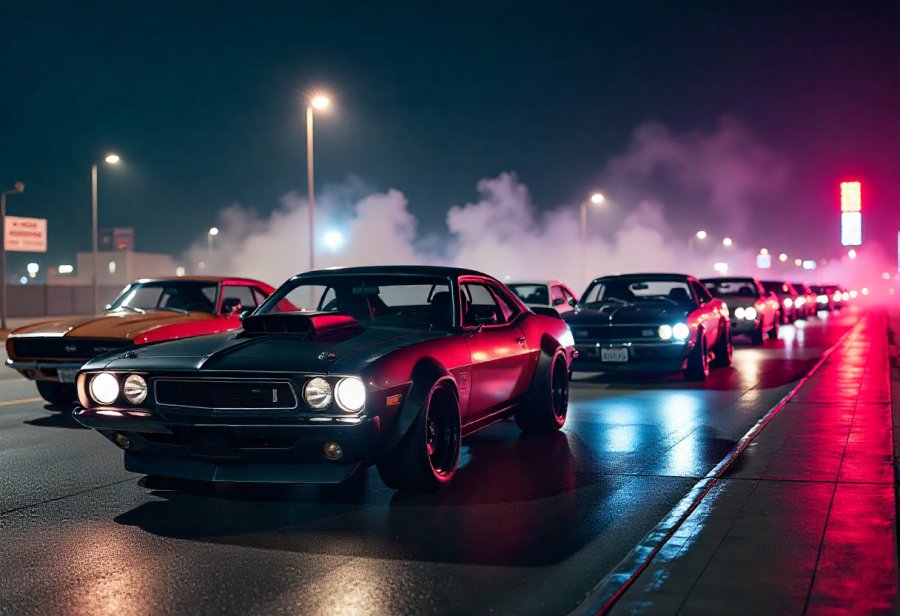
Underground street racing has proven to be much more than a reckless pursuit of speed; it’s a vibrant culture built on loyalty, brotherhood, and shared passion. Its resilience over the years demonstrates how deeply rooted this scene is in the desire for connection and self-expression. As technology advances, racers now utilize encrypted communication, GPS tracking, and digital tuning to organize clandestine races more safely and efficiently. These innovations help maintain the community’s rebellious spirit while adapting to increasing legal pressures and safety concerns.
Despite the inherent risks, the core values of trust and mutual support continue to hold the scene together. Racers form tight-knit crews that thrive on loyalty, technical mastery, and shared experiences—whether it’s evading law enforcement, fine-tuning cars, or supporting each other through setbacks. These bonds are often lifelong, forged in moments of danger and adrenaline that transcend individual races. The sense of family and belonging created through these shared challenges keeps the culture alive and thriving, even amid external threats.
Looking forward, the scene may face new challenges from stricter laws and safety issues, but its rebellious spirit is unlikely to fade entirely. Instead, it will evolve by embracing more technology and perhaps shifting toward organized events that preserve its brotherhood and craftsmanship while reducing risks. Digital platforms will continue to connect enthusiasts worldwide, fostering a sense of community that transcends local borders. This blend of tradition and innovation promises to sustain underground racing’s energy, enabling it to adapt without losing its core identity rooted in loyalty and camaraderie.
Cultural shifts among younger generations will also shape its future. With greater access to online sharing and global networks, new racers are more connected than ever. They carry forward the values of technical skill, mutual respect, and community, ensuring that the scene remains dynamic and relevant. As the scene continues to grow and change, the bonds of brotherhood and trust will remain the foundation, guiding its evolution and helping it endure beyond the risks.
In the end, underground street racing is more than just a pursuit of speed; it’s a social movement rooted in trust, secrecy, and unbreakable bonds. Its ability to adapt and innovate while holding onto its core values guarantees its persistence. The shared experiences, loyalty, and brotherhood that define this culture turn fleeting moments of adrenaline into lifelong friendships. As long as these bonds endure, underground racing will continue to thrive beneath the city lights, a testament to the power of community forged in the heat of rebellion and speed.